
Our Verdict
In the two weeks that I had the RX10 V, I started to ask myself the same question with increasing regularity. Why bother with a mirrorless when you have this?
The fact is that the Sony RX10 V features a huge focal range from 24 through to 600mm, which pretty much covers every focal length that I could want. Then there’s the speed of the AF; it’s amazing and, with the AI-tuned object detection, I was able to lock on to birds and animals with absolute accuracy and reliability.
Then there’s the build quality, battery life and decent enough video; it seems that everything that you could want is here, and all without the need for additional lenses. There are, of course, reasons you’d want a mirrorless, the larger sensor for one, but checking through the image quality, as you’ll see in the review, the results are superb.
If you want the full manual control of a mirrorless, but can’t be bothered with all the different lenses, or you have a mirrorless, but question why because you never change the lens, then a bridge camera like this is the solution.
Also, surprisingly, if you like to shoot sport or wildlife, then the completeness of the package should also appeal. OK, it is expensive, but then for this quality and ability it’s worth it. There are a few downsides, which I’ll go into later in the review, but for the most part this is one impressive camera and, if my local Castle Camera store is anything to go by, they can’t quite keep up with the demand.
What is the Sony RX10 V?
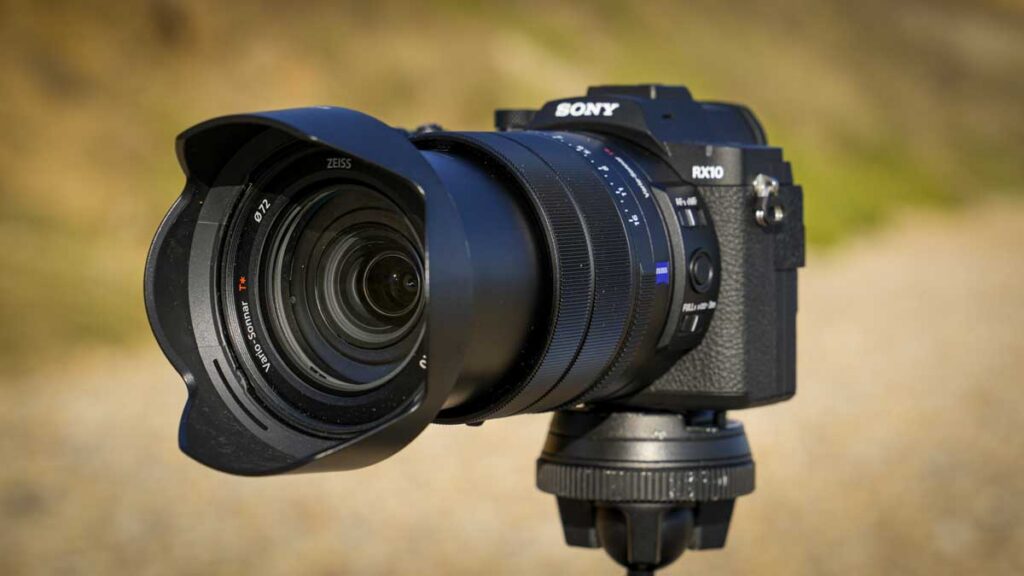
At first glance at the Sony RX10 V, you might think that it’s actually a new Alpha camera from some angles, and sure enough, in the hand it feels very much like part of the family. However, this is Sony’s premium bridge camera, and it’s been a long time coming.
What makes this special – and this really is a special camera – is that it offers a huge 24-600mm zoom range which fronts a 20.1MP stacked sensor, although this is only a 1-inch sensor rather than APS-C or full-frame, as that really would render a good part of the Alpha range redundant.
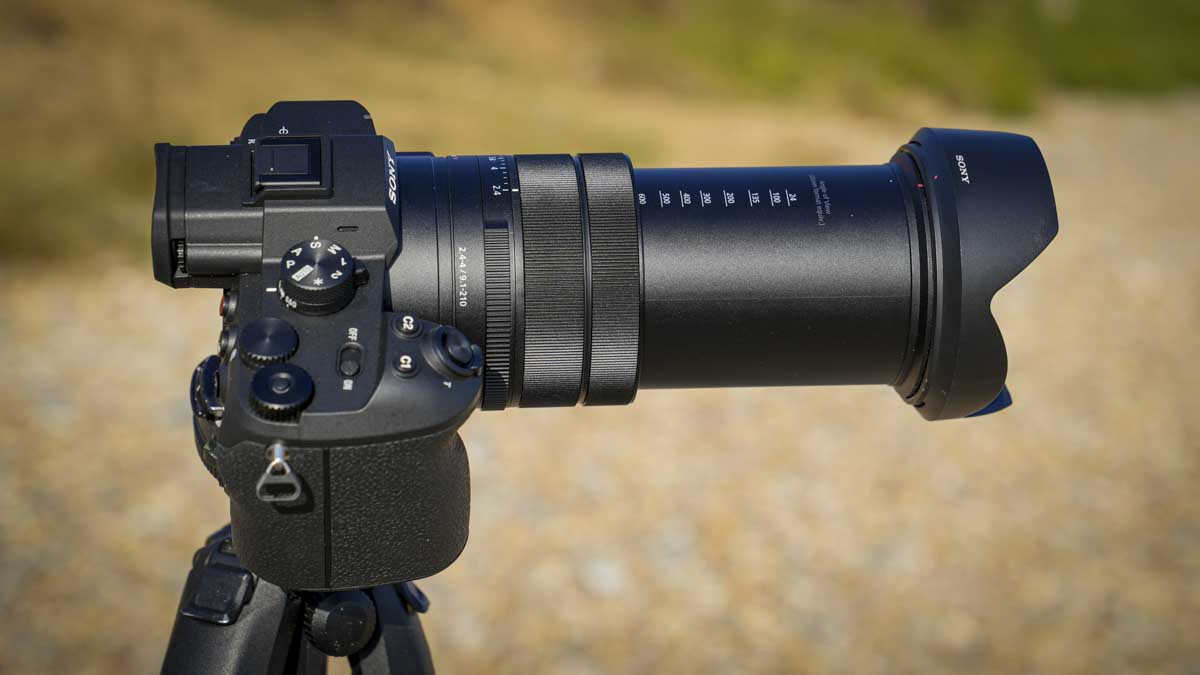
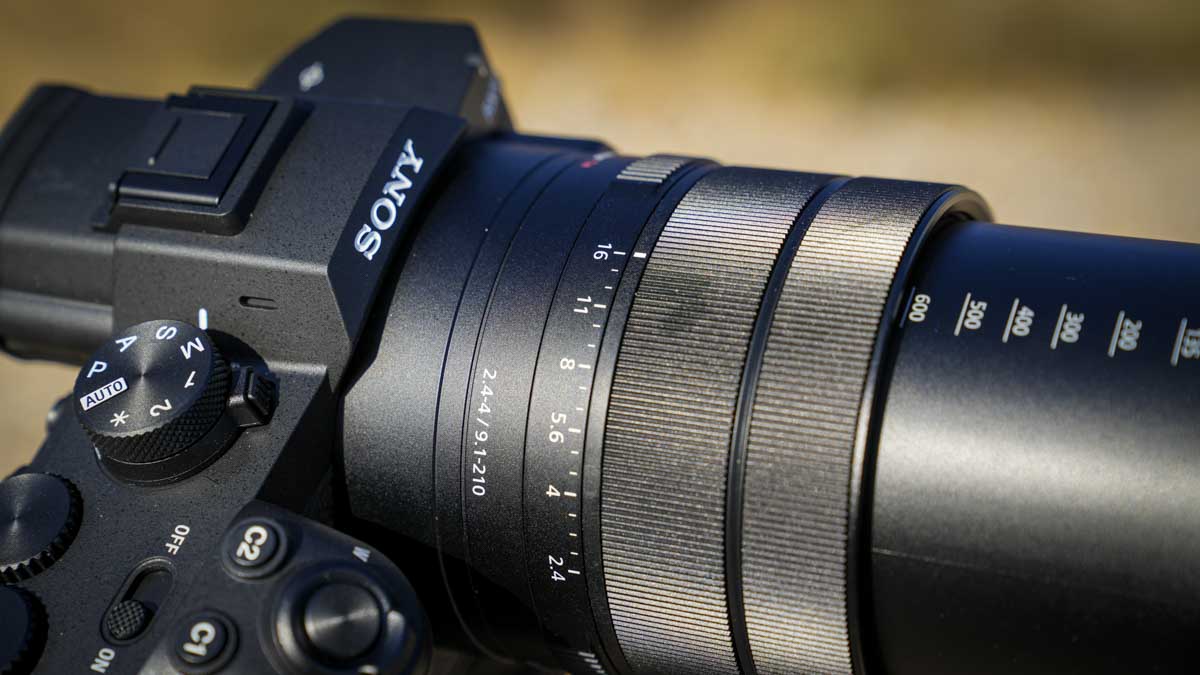
The lens offers an f/2.4-f/4 maximum aperture, with the larger at 24mm and the smaller at 600mm; there’s also an aperture ring on the lens, which gives it that premium feel.
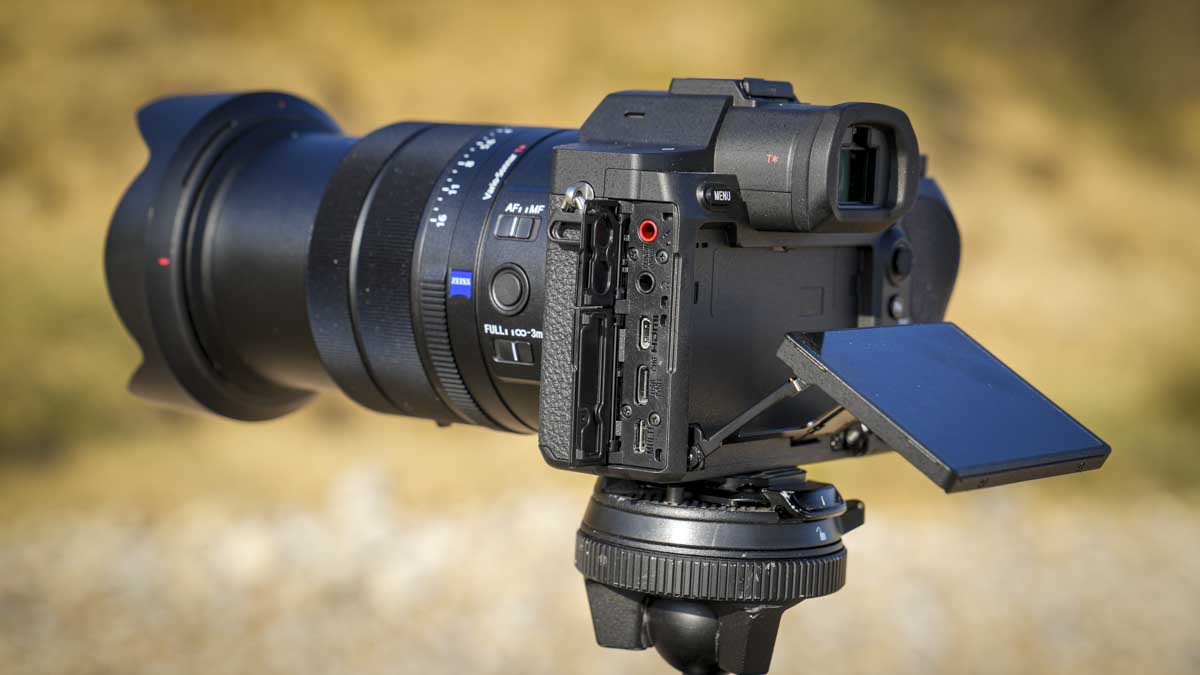
Video is also well catered for, and I’ll go into that in more depth later; while it isn’t the lead feature here, it’s more than capable for content creators looking for a camera with something that is a little different.
On top of all the usual features are the major enhancements to performance, and this is where things start to get interesting. The AF and subject detection have been overhauled and, as I found out during the test, are on a par with, if not better than, the A7 IV that I had along with me for the product shots. The camera’s ability to lock on target and track really was second to none.
Specification
Sensor: 20.1MP stacked CMOS
Sensor size: 13.2×8.8mm
Lens: ZEISS Vario-Sonnar T*
Focal range: 24-600mm equivalent
Optical zoom: 25x
Aperture: F2.4-4
Filter thread: 72mm
Burst rate: 30fps
AF points: 575
Video: 4K 120p
Colour: 10-bit 4:2:2
EVF: 3.68 million dots
EVF magnification: 0.78x
Screen: 3-inch touchscreen
Screen: 1.62 million dots
Screen design: Tilting
Stabilisation: Optical
Card slot: SD UHS-II
USB: 10Gbps USB-C
Battery: NP-FZ100
LCD battery life: 630 shots
EVF battery life: 570 shots
Weight: 1,111g
Dimensions: 136.4 x 94.5 x 151.3 mm
UK price: £2,199
Build and Handling
Before looking at the build quality, I will say that this new bridge camera is premium and with that comes a hefty price tag, at present just over £2000. Now, initially that sounds like an incredible amount of money for a camera that, however good, still only features a 1-inch sensor.
That means that the image quality needs to be flawless and the build and handling need to be perfectly balanced. This is the successor to the excellent RX10 IV, which came out in 2017, which was a long time ago in camera terms but still commands prices of £1000 upwards for a second-hand model.
The new version has a wealth of improvements that might get owners of the RX10 IV to upgrade, features such as the improved grip design; this really does now handle like an Alpha. Then there’s the feel of the camera, with the dense polycarbonate construction, and the buttons and dials again reflect those of an Alpha camera.
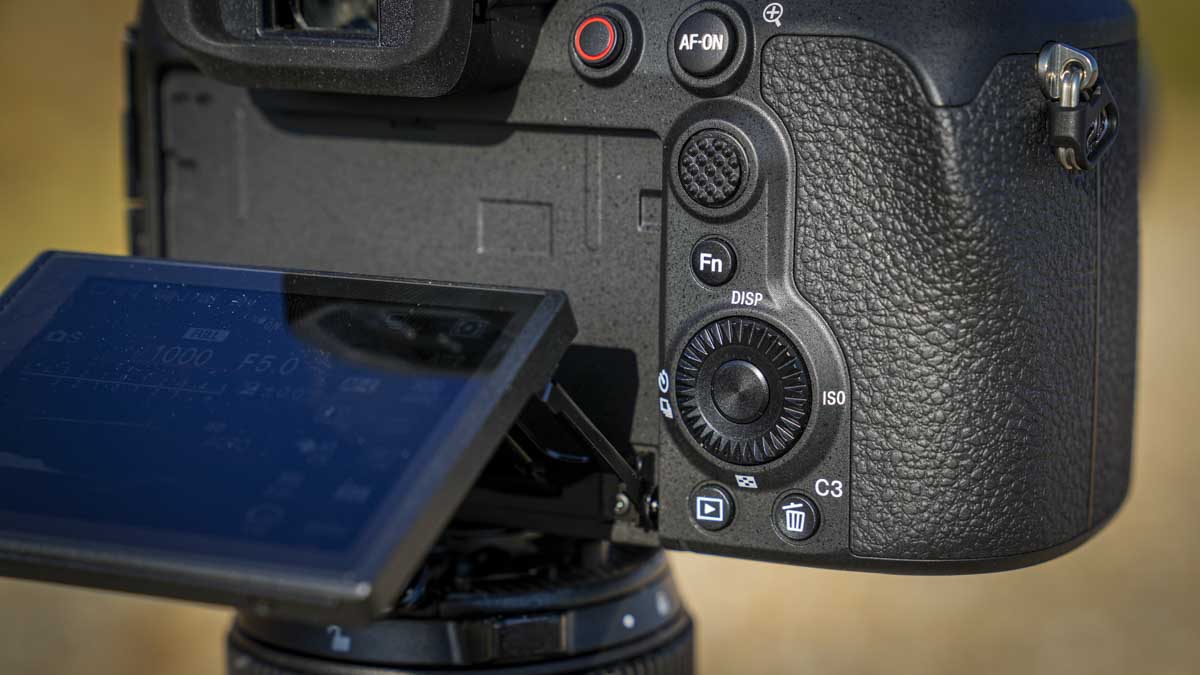
There’s even a joystick on the back to adjust the AF points, a dedicated AF-ON button, dual controls, that physical aperture ring, zoom rocker and a zoom ring on the lens.
Looking through the viewfinder, this too looks clear and bright; there’s far less reduction in scale than I often see with other bridge cameras, or at least those bridge cameras that still exist. It’s actually been a few years since one last landed on the desk.
Again, following the luxury of the Alpha features, there is a touchscreen although this is just tilt which is a real let down; it’s all-weather sealed and, if, like me, you’re prone to letting dust infiltrate the camera workings, then as the lens is fixed, dust on your sensor just isn’t an option.
While the overall feeling of the RX10 IV is good, and it all feels robust, there’s just something about the finish that doesn’t quite elevate it to high-end premium.
Features
As a bridge camera, the feature list is extensive; first and foremost is the 24-600mm equivalent lens. This will cover everything that most photographers need, from wide landscapes at 24mm, to portraiture at 85mm and wildlife and sport at 400-600mm.
What is surprising is that the lens has been finely tuned, so if you want to shoot close-up shots, then there’s a minimal focal distance of just 3cm. Add to that the AI Subject recognition, which is one of the fastest and snappiest systems that I’ve used, and you have an extremely flexible camera that will suit most situations.
For me, the most impressive feature during the test was the AI subject detection, with the ability to track humans, animals, birds, insects, vehicles and aeroplanes. Not only does the AI lock on and track, but the AF system keeps things sharp as you pan or those subjects move quickly towards you.
The real-time tracking is excellent, and there are several focus modes enabling you to fit the autofocus system to the scenario that you’re photographing. For instance, if taking pictures at a football match, you can lock onto a player, and even if they go behind another player and briefly out of sight, then the system should pick them up on the other side.
The other point here is the 30fps electronic burst. You do need to switch to electronic shutter, but then you can capture stills at the same frame rate that you would usually record video. There’s also no viewfinder blackout, so you can keep the subject in view without the screen blacking out and obscuring your subject, which is common with older systems.
Alongside the impressive stills features, there’s also the video with full 4K 60P and cropped 4K 120p for a bit of slow motion; this is more than enough to keep the vast majority of content creators happy.
What’s more, if you want to push the video potential, there’s also the ability to shoot in S-Log3 or Cinetone; this all takes the seriousness of use of the camera to another level. There’s also LUT support and the ability to use the camera for 4K USB streaming, great if you want to run online lectures or your own TED Talks-style seminar.
Connectivity is also impressive with 5GHz Wi-Fi and, with all these features, it also offers USB power delivery to extend use beyond the limits of the battery.
Performance
Let’s start with the handling, as this is where this camera really differs from so many other bridge cameras that I’ve used in the past. It’s essentially an Alpha camera in size, weight and balance in the hand. It just feels like a proper camera, and while I know that the lens is fixed in place and this shouldn’t have the level of tactile feeling that you get from an interchangeable camera, it frankly does.

The dial layout is, more or less, the same as an Alpha camera; although there is only a tilt touchscreen and the menu system, while still a little crowded, is the same.
Essentially, if you like the feeling of an Alpha or, for that matter, any mirrorless camera, then this is going to feel much the same. There are also some nice additional features to the design, including the deep grip that gives it the same feeling as the mid- to high-end Alphas; then there’s the aperture ring on the lens, again a feature that you only see on premium Sony lenses, all adding to the feel of the camera.

The handling is excellent, and as a Sony user it just feels well balanced; however, as I started to look beyond the simple handling, things really started to impress. At least after I’d waited for the camera to power up, this was a little bit of a surprise at the outset, with the camera seeming to take a few moments to check before the screen and motors inside settled, ready for me to take the picture. Compared with the mirrorless range from Sony, that start-up time was decidedly slow at around 2 seconds from cold. Through the test, when the camera powered down, the lens retracted to the 24mm.
The next point was that there’s a rocker switch or the on-lens zoom ring to zoom the lens, and this is exceptionally smooth, although the speed is relatively slow. However, you can speed things up using the zoom lever, which can be used to zoom between the two extremes of the focal length, while I found the zoom ring was better for more accurate control.
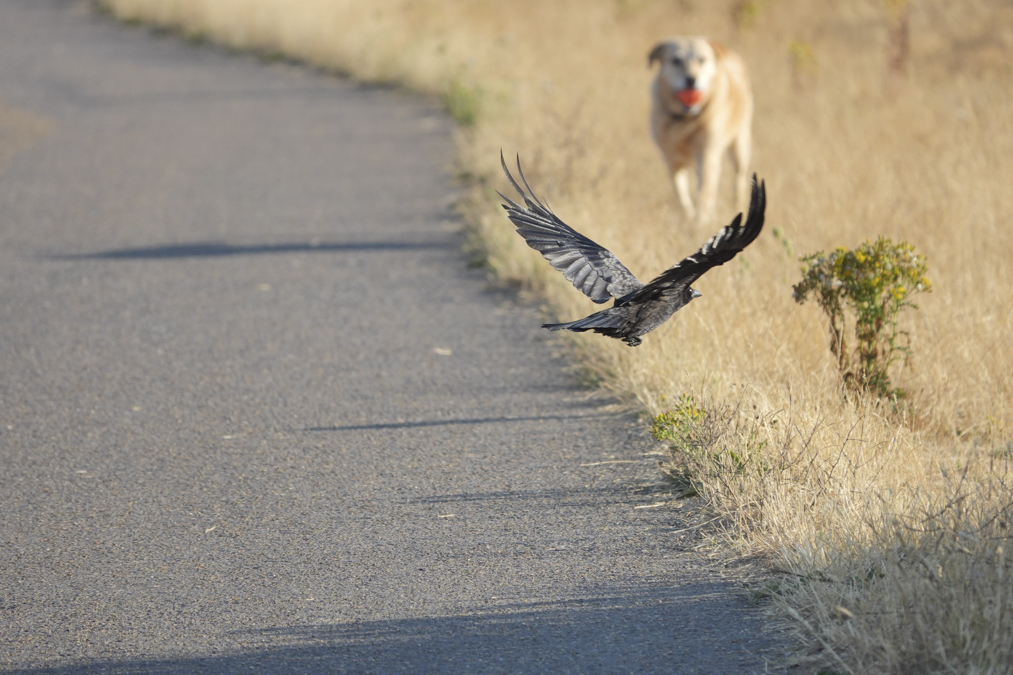
One point that I did note through using the zoom is that if you’re zooming in on an animal that’s moving, the focus doesn’t adjust until the zoom stops. Not too much of an issue, and I found that the AF was fast to lock on generally.
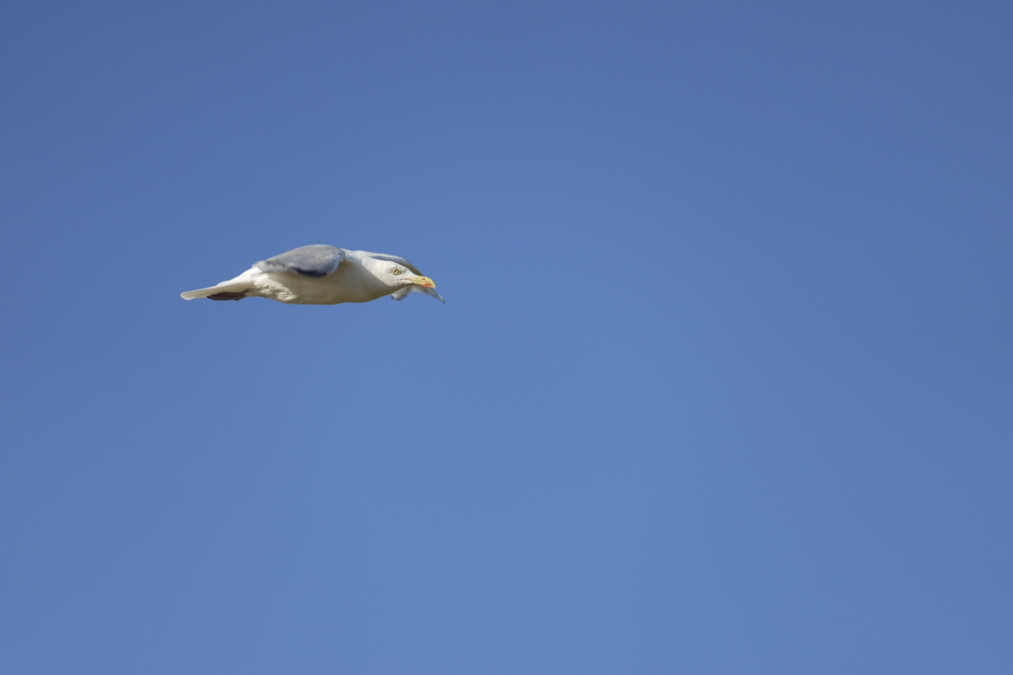
The AI subject detection was the most impressive and in line with the premium Alpha models; as I focused in on birds, I was surprised by just how quickly and accurately the camera found the bird and was able to track even at 600mm. Through the test, and with an A7 IV fitted with a 200-600mm and using both at 600mm, I found the RX10 V to be better and certainly offered far better accuracy for both tracking and focus.


Trying this out with Pip the dog, the camera locked on without issue, but then Pip wasn’t moving fast. Switching to a younger cocker spaniel and the need for speed was picked up, and again the camera was able to lock on to the subject quickly.
Through the test, I found that for birds, dogs, humans and cars, the AI Subject detection was one of the best that I’ve seen. Even in a busy scenario with birds in flight, undergrowth and fencing, the camera was able to lock on and get the image that I wanted.
Away from the subject tracking, the camera handled well and, looking through the pictures on the small screen, all looked good. I’m still not 100% with Sony’s screens; they never seem to have that accurate depiction of the image that you get with some other manufacturers, but checking the histogram does show the image data is well balanced.

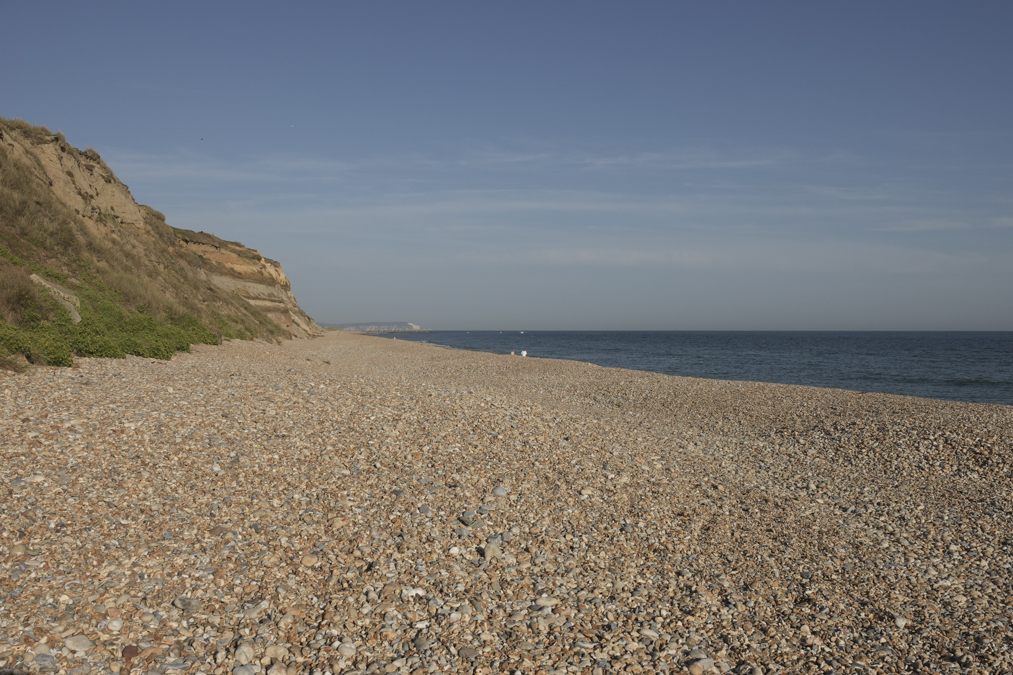
One of the features that I did like, and this only now comes from working with people outside of the photographic industry, is the effects modes. These can be quite fun, and for people who just like to get great images out of a camera, they’re a quick solution. Here are some examples:




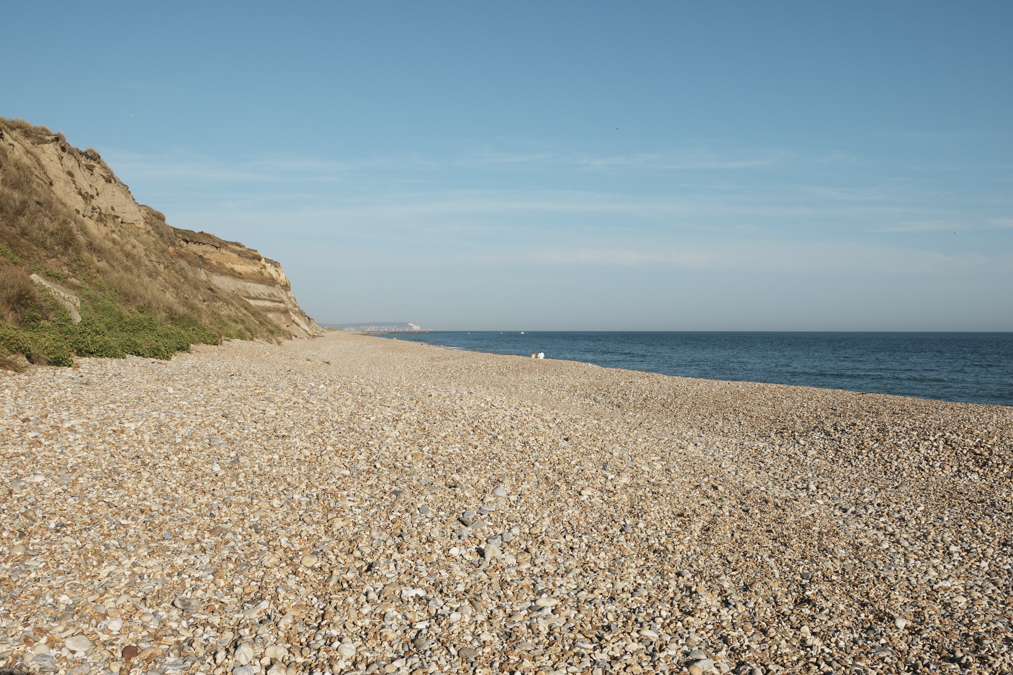
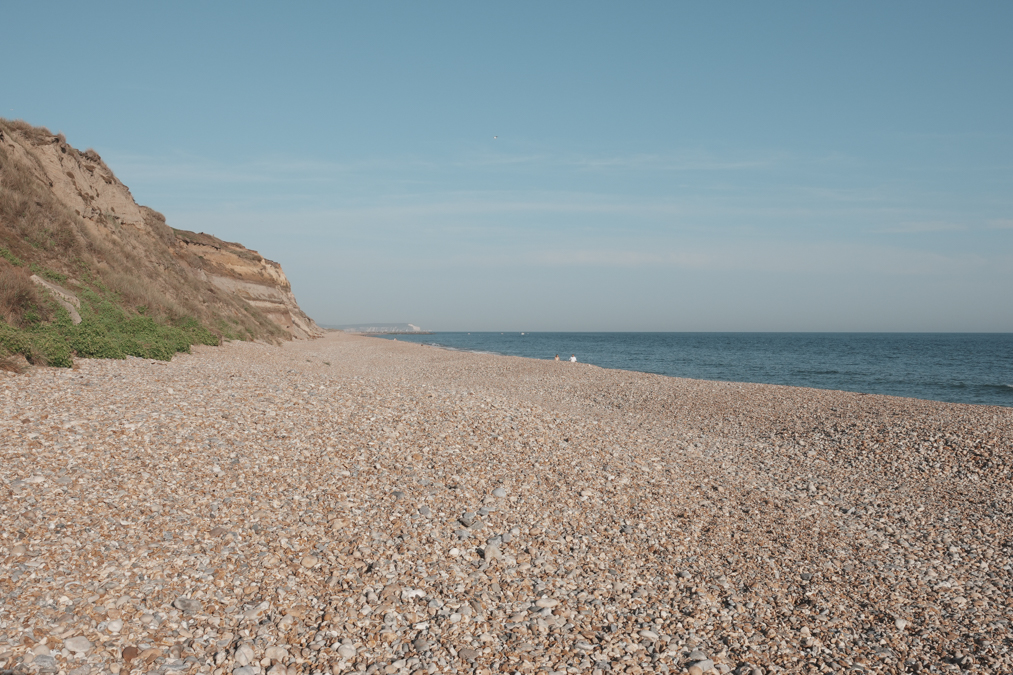
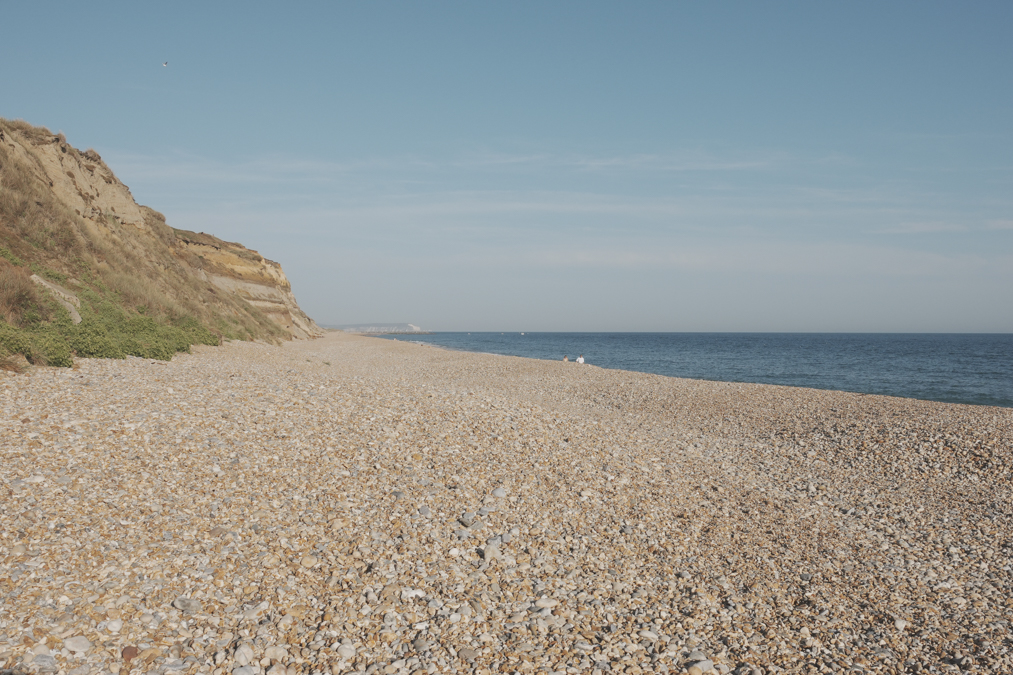
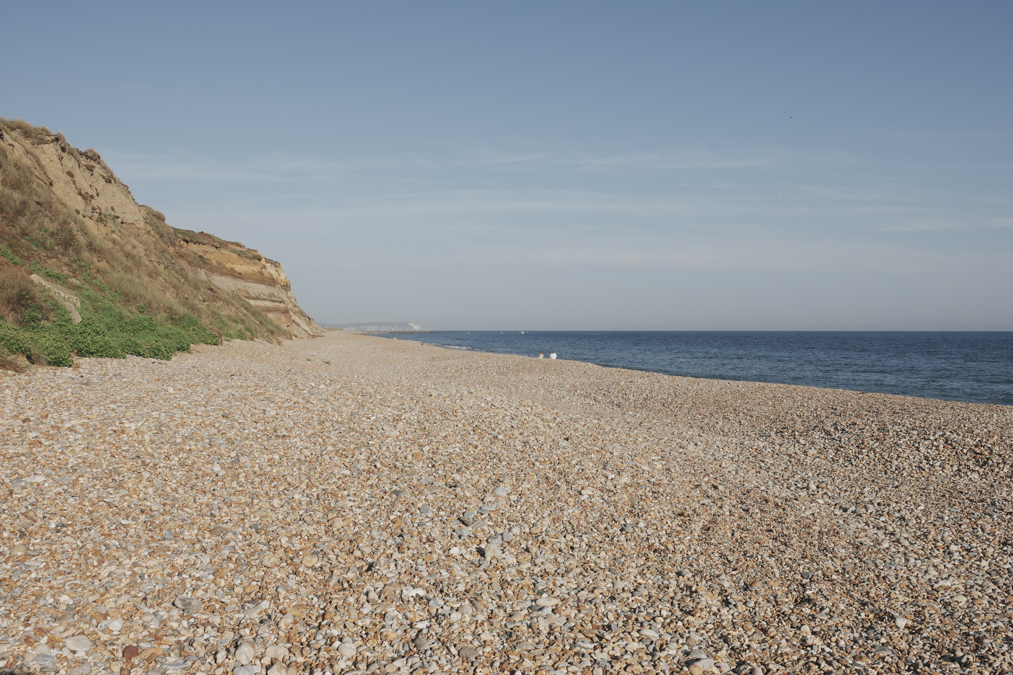
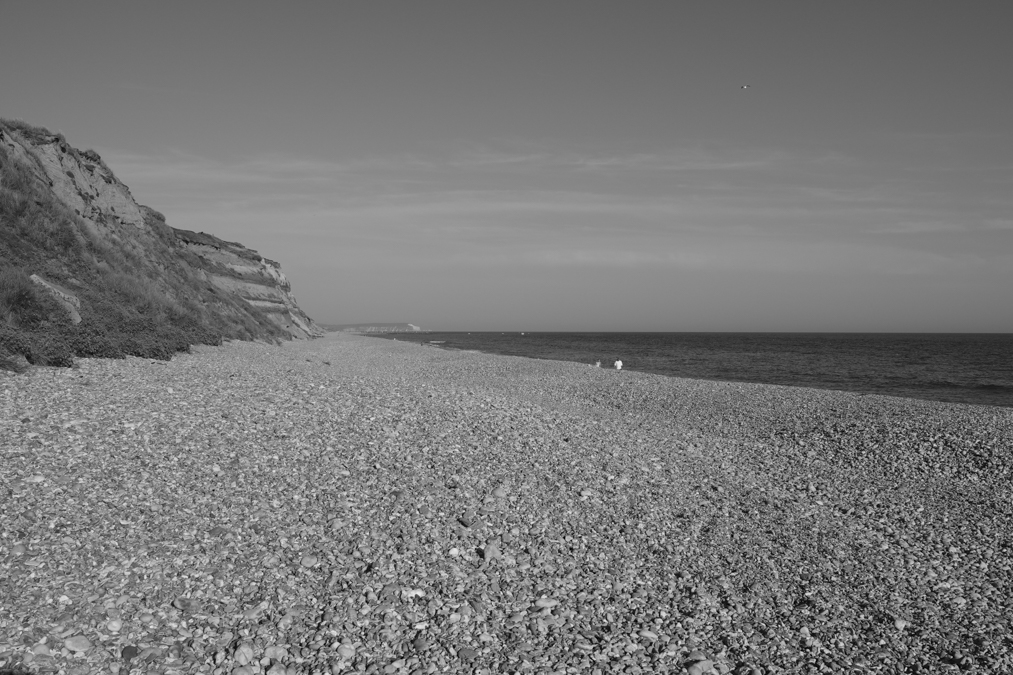
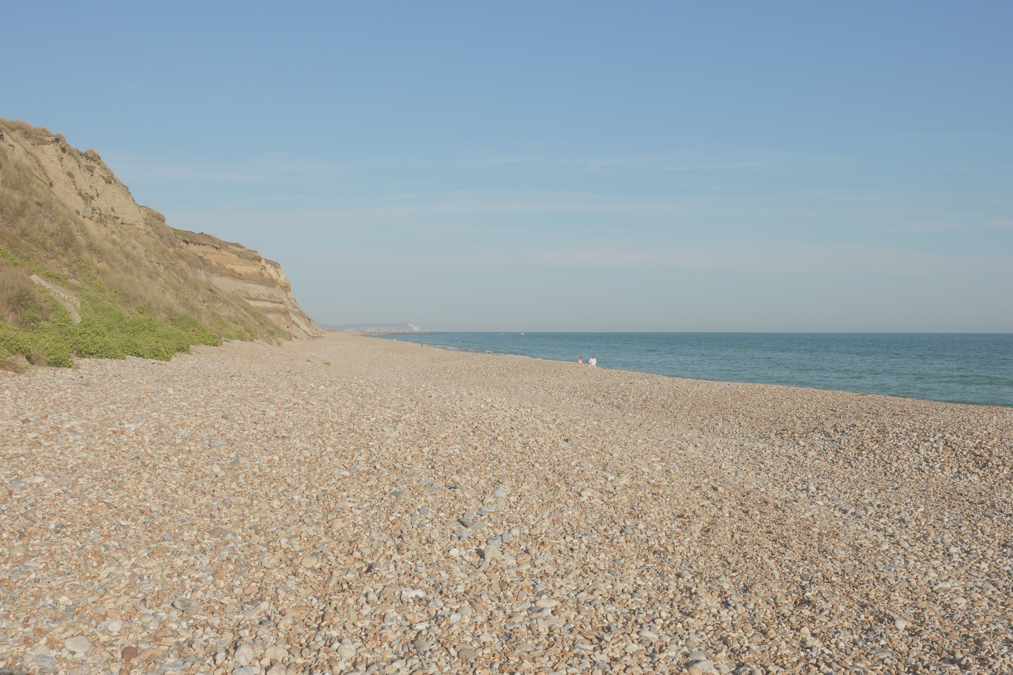

Through the test, there are a few points that I thought were worth highlighting; the first is the aperture ring. This has the f-numbers embossed around and is a nice feature, giving a more analogue and premium feel. However, it’s worth noting that at 24mm the maximum aperture is f/2.4, whereas at 600mm, even if the dial is set to f2.4, the actual maximum aperture is f4. I’ve seen this before on the Panasonic Lumix L10.
The other point is that the low-light performance is also a step behind the mirrorless options.
If you’re a keen photographer looking for a lightweight all-in-one camera, then the RX10 V is a superb option, especially for sports, wildlife and travel.
Final Thoughts
The Sony RX10 V is one of the most versatile cameras that I have used and, while I always have reservations about using bridge cameras, when I actually start using them I find that they’re remarkably solid performers.
The RX10 V is a premium model, and the build quality and handling certainly reflect this. It’s not quite up to the RX1 standard, but it’s still pretty decent. The size and really everything physically is on a par with the Alpha range of cameras; however, you have that added bonus that everything is here in one camera when it comes to focal length.
For the vast majority of people who may have one body and several lenses but really never swap to those other lenses, this camera would be an ideal fit. It is expensive, however, and looking at what you can get on the market at present compared with this, you can start to see a balance is made, and actually why this costs as much as it does.


A lens for any mirrorless camera with this range is going to set you back a few hundred pounds, but then it’s not going to have that focal range. Then there’s the fact that until you hit the mid-range of mirrorless, you’re not going to find a camera with the speed of focus and subject detection that is able to come anywhere close to this. As you start to weigh up the features against the cost, it all makes sense.
There is still the subject of the sensor being a 1-inch, which does limit the image quality, especially in low light, but for most, when you print out the images on A3 paper, they still look great.
If you travel, shoot sports and wildlife or have a decent mirrorless with lenses that you never use because you can’t be bothered with the lens changes, then seriously trade that camera in and get this; you really won’t be sorry.