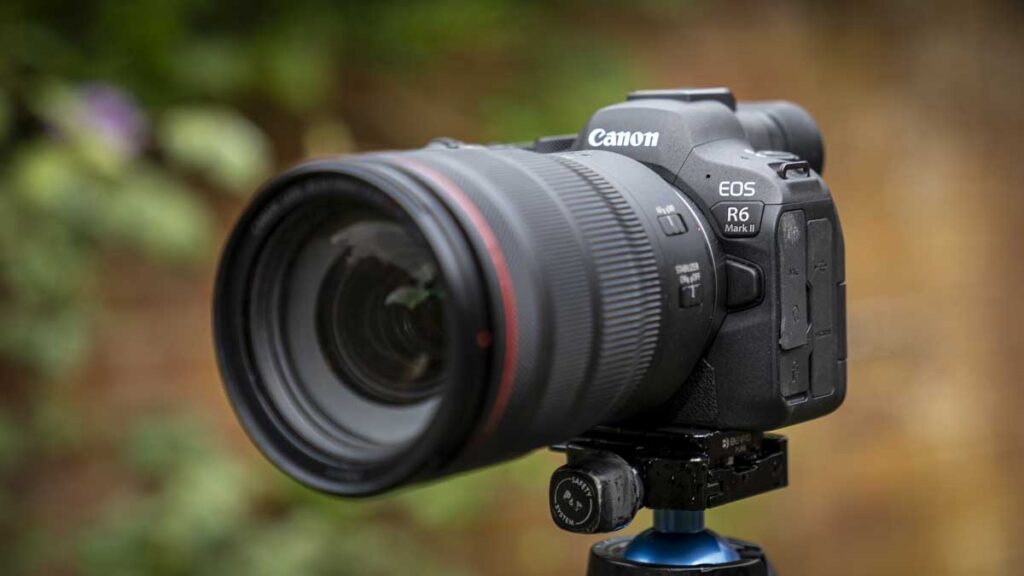

A superb full-frame all-rounder combining speed, autofocus and impressive hybrid performance
Our Verdict
What is the Canon EOS R6 Mark II?
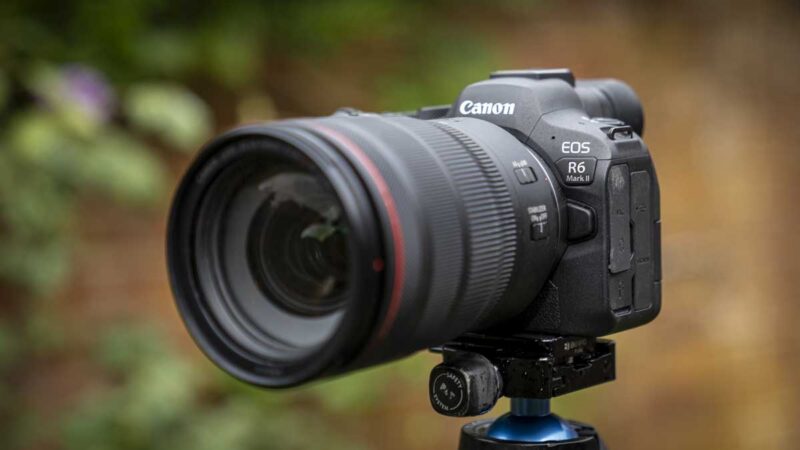
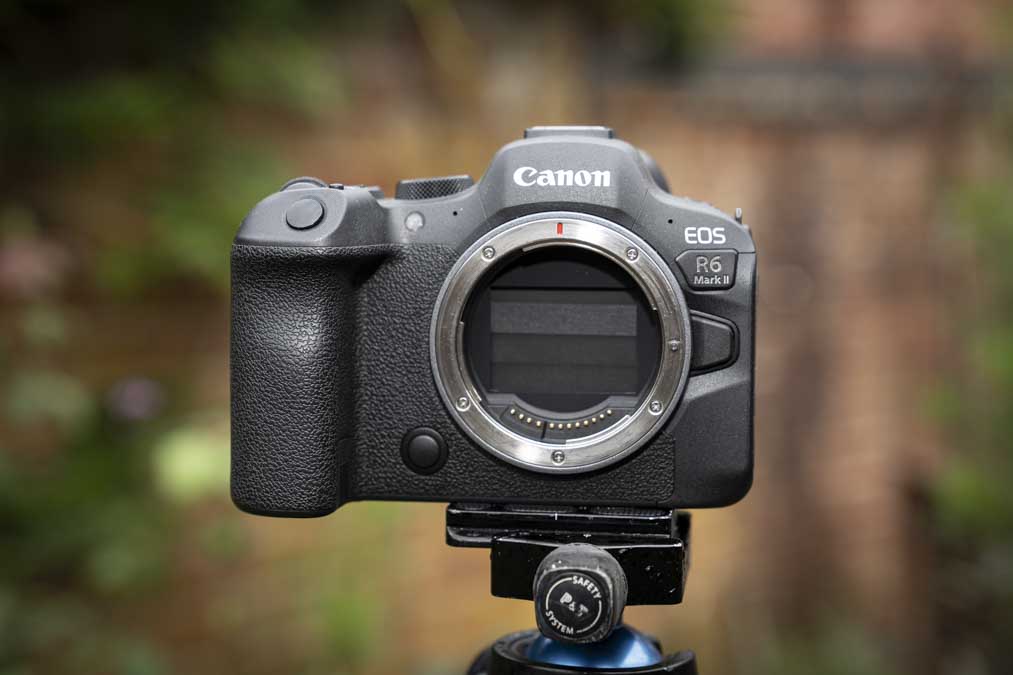
The R6 Mark II is Canon’s full-frame hybrid all-rounder: 24.2MP, a DIGIC X processor, Dual Pixel CMOS AF II across the whole frame, dual SD slots and video good enough that plenty of people bought it primarily to shoot with. It replaced the 20MP original R6 in November 2022 and was aimed squarely at content creators, wedding photographers and anyone shooting sport or action.
Canon’s big design decision was the sensor. At launch, it was new, and they deliberately chose neither stacked nor backside-illuminated. Canon was explicit at the time that either would have pushed the price beyond what it considered acceptable for this position in the range. That single choice explains both the camera’s value and its one real technical weakness: you get 40fps and full-frame coverage at a mid-range price, and you get rolling-shutter skew when you use it on fast movement.
What has changed since is not the camera but its position. The EOS R6 Mark III arrived in early November 2025 with a 32.5MP sensor, a CFexpress-B slot alongside the SD, 7K raw video, 4K 60p oversampled and 8.5 stops of stabilisation. It directly addresses two of the Mark II’s limitations. It also costs around £2,699 to £2,800, which, to be honest, is what the Mark II cost when it launched.
Specifciation
Camera type: Mirrorless, full-frame
Sensor: 24.2MP full-frame CMOS (35.9 x 23.9mm), Dual Pixel CMOS AF II
Processor: DIGIC X
Lens mount: Canon RF
ISO: Stills 100-102,400, expandable to 50-204,800
Electronic burst: 40fps, 190 JPEG / 75 RAW / 140 C-RAW
Autofocus: Dual Pixel CMOS AF II, 100% coverage, up to 1,053 AF segments, to -6.5EV
Stabilisation: 5-axis in-body, up to 8 stops with coordinated lens IS
Video: 4K up to 60p uncropped, oversampled from 6K
Weight: 588g body only / 670g with card and battery
Build and Handling
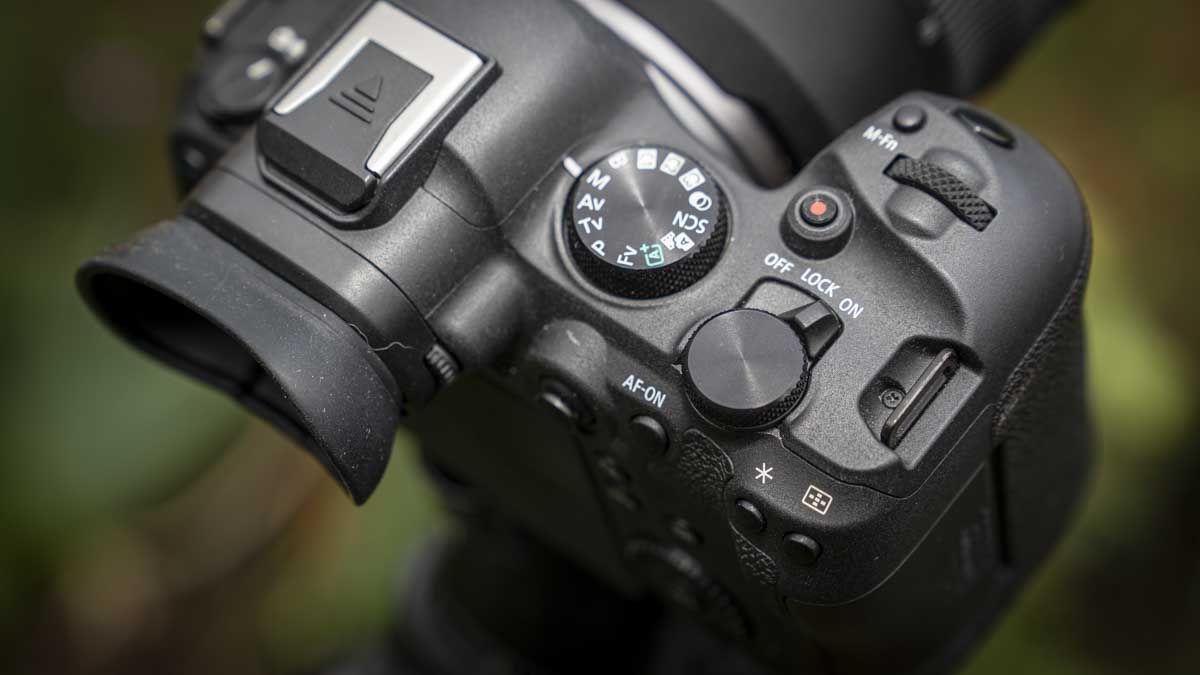
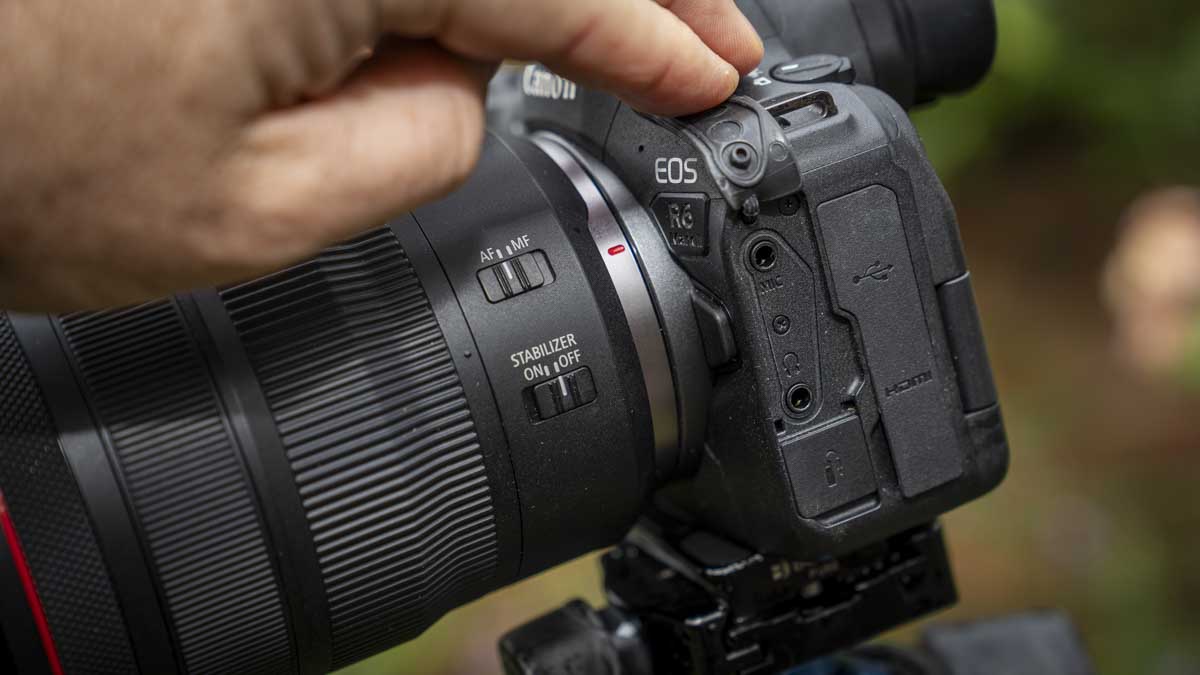
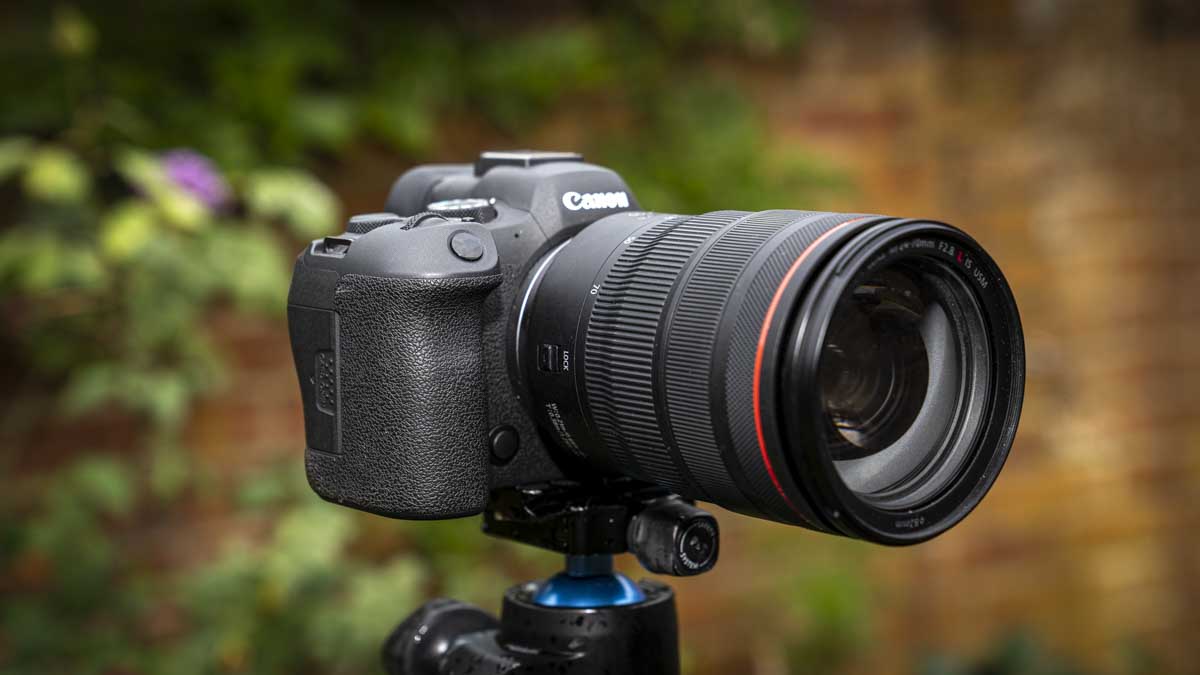
Robust, comfortable and laid out by someone who has actually used a camera when they’re in a hurry. The magnesium alloy chassis, dust and moisture resistance and a large, deep grip make this a body you can work with all day, and at 670g with a card and battery it’s substantial without being heavy, and of course compared with the older DSLR, the mirrorless form factor is still smaller even at this level.
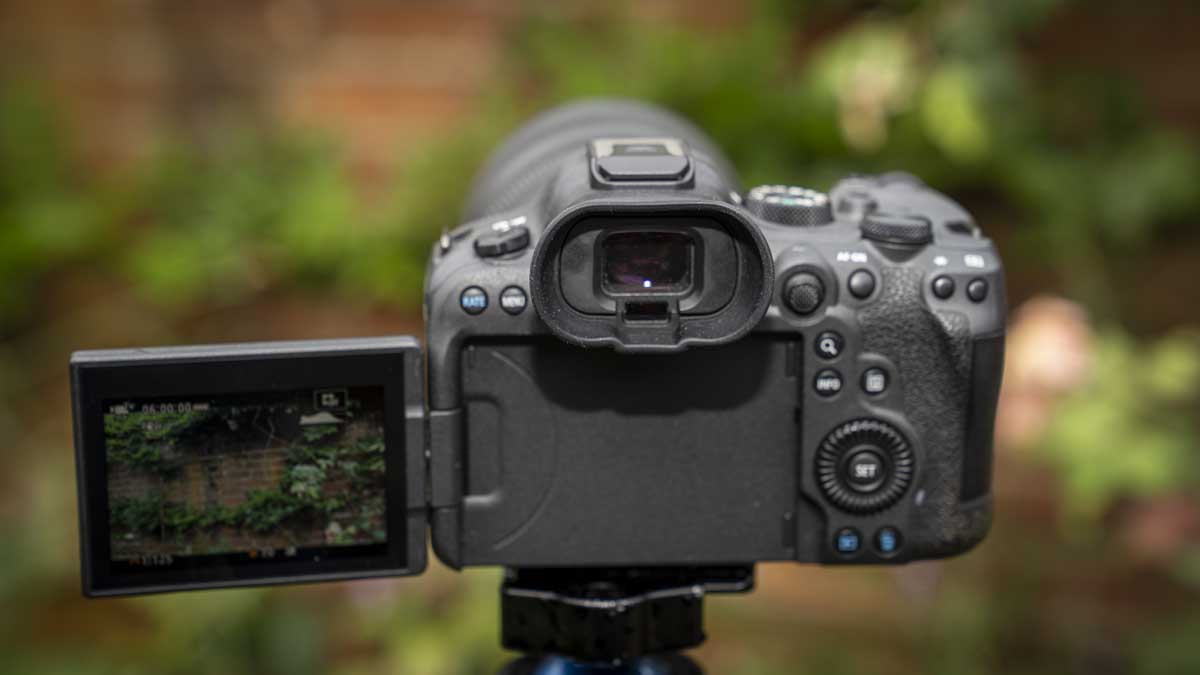
The control system is the R6 Mark II’s advantage over cheaper Canon bodies. It has a dedicated AF joystick, three control dials, a proper mode dial, and a fully articulating touchscreen, and everything is customisable. Coming from an R8, that joystick alone really does change how quickly you work.
Canon has also moved the power switch to sit beside the rear control dial, which makes the left-hand switch a dedicated stills/video selector. It’s definitely an improvement: with no rotating the mode dial and no diving into menus to set video exposure, it’s just more to use. Our original review noted the catch, and it is real: if you are not paying attention, it’s easy to flick between stills and video when you meant to switch the camera on. After a few weeks, I still did it occasionally.
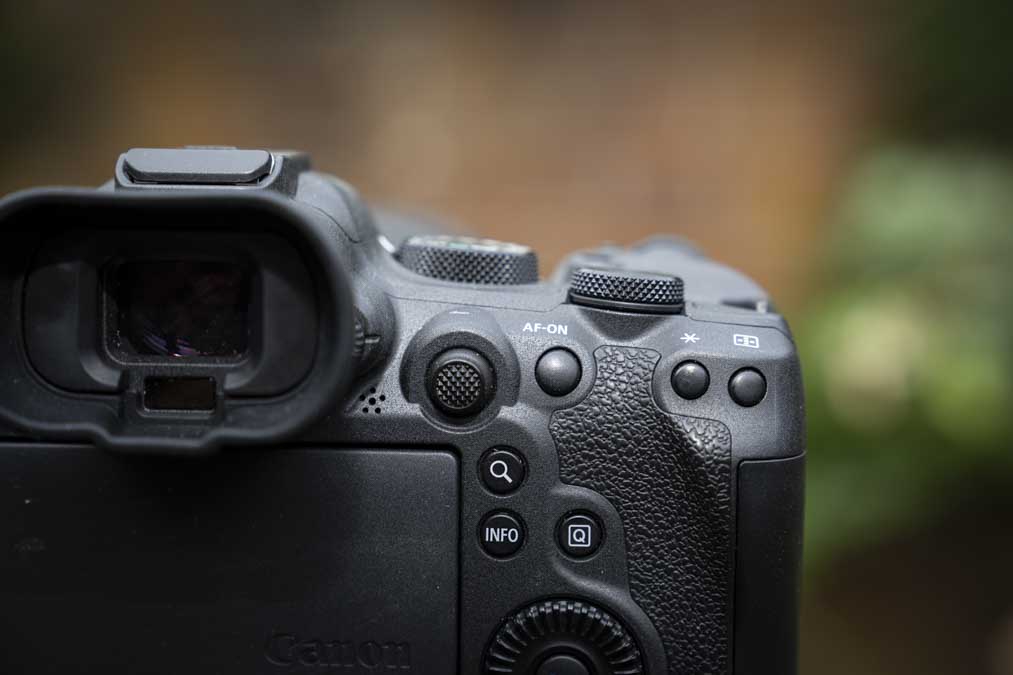
The mode dial itself distinguishes this camera from the R5 and R3, which use a mode button and dial. The dial is faster because it is one control rather than two, though it means the R6 II handles differently from the bodies above it; this is only an issue if you shoot a two-body kit and want that button layout continuity.
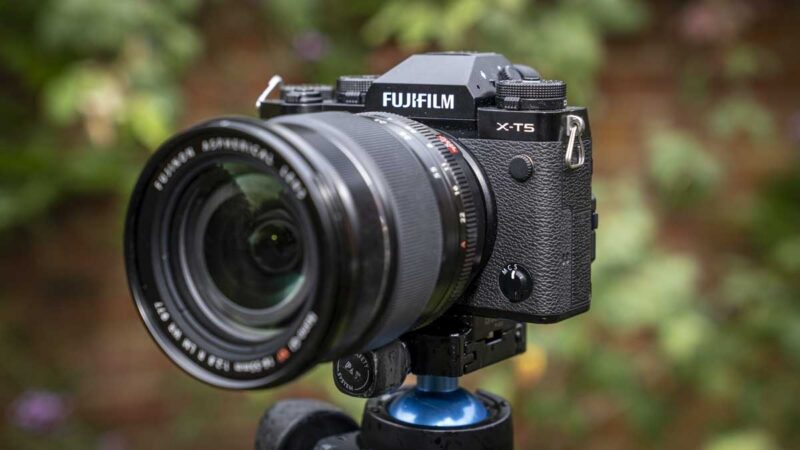
The 0.5in 3.69m-dot viewfinder at 0.76x is lower resolution than the R5’s 5.76m-dot panel but refreshes at 120fps and gives a clear, accurate preview of exposure and colour, accurate enough that our original review found the meter largely redundant, and I agree. The 3in 1.62m-dot vari-angle screen flips and rotates to any angle, including forwards, which makes this a far better self-shooting camera than the three-way tilt on something like an X-T5 which I’m also testing at the moment.
Features
Performance
Starting with the image, it’s absolutely on a par with the latest cameras, and at 24.2MP the camera produces images that feel well balanced for the price. Looking closely at the image, the detail is more than sufficient for print and client work; with the files showing excellent dynamic range, Canon colour straight out of the camera is superb. The evaluative metering handles high-contrast scenes without being pulled around by large bright or dark areas.
 High ISO is again good and the direct benefit of the modest pixel count. Our original review was comfortable using ISO 12,800 and ISO 25,600 when light levels demanded it, noting that in-camera noise reduction on JPEGs is well judged and raw files carry luminance noise without it becoming excessive. Underexposed low-ISO files take a three- to four-stop lift before noise becomes a problem.
The AF is fast and responsive, and is still one of the main reasons to choose this camera. Human tracking is excellent, animal tracking is excellent, eye detection is reliable, and vehicle recognition works. Our original review found it holding dancers across stills and video in low light, and picking up animal eyes consistently enough to change how wildlife work feels.
Final Thoughts
The R6 Mark II is a superb full-frame all-rounder, and it has aged almost entirely well. The autofocus is outstanding, the burst speed is exceptional, the stabilisation is effective, the handling is among the best Canon has produced at this level, and it is a genuinely capable video camera rather than a stills camera with video attached. For sport, wildlife, weddings and events it remains an easy recommendation.
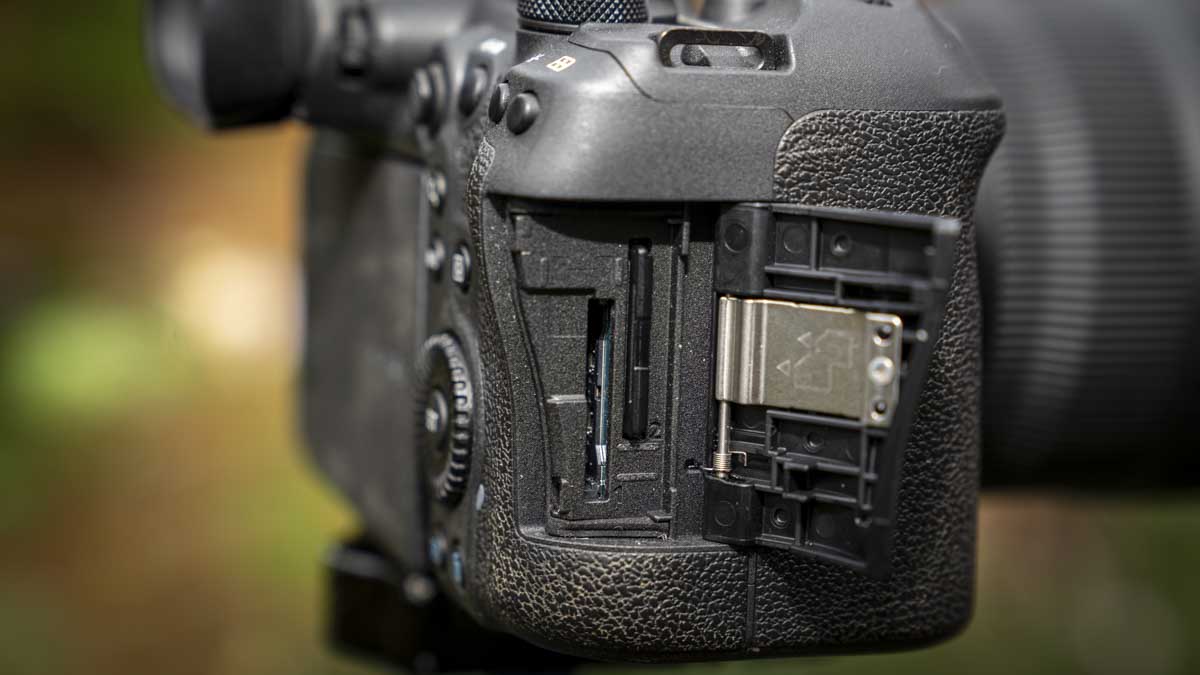
Its limitations are the ones it was designed with. Twenty-four megapixels is modest compared with rivals and its own successor. The electronic shutter needs care. The micro HDMI is disappointing on a camera that outputs 6K raw. There is no top display, storage is SD only, and full-frame RF glass still means Canon glass.
But what has actually changed is the price, and it has changed a lot. The Mark III did what successors do: it took the top of the range and pushed this camera down into the space where it represents excellent value. There are 28 used bodies on MPB as I write, which is more stock than I have seen for any of the other cameras I have revisited recently, and that is not a sign of a problem; it’s a sign of a lot of owners trading up and leaving very good cameras behind them at £1,459.
Should you buy the Canon EOS R6 Mark II?
Buy it if
Don’t buy it if
Alternatives
Canon EOS R6 Mark III: the direct successor, around £2,699 to £2,800, with 32.5MP, a CFexpress-B slot alongside the SD, 7K raw video and 8.5 stops of stabilisation. The upgrade is if resolution or card speed is what limits you.
Canon EOS R5: more resolution at 45MP, a 5.76m-dot viewfinder, a top-status LCD and CFexpress, now well down from launch on the used market. The choice if detail matters more than outright speed.
How we tested
Canon EOS R6 Mark II FAQs
Is the Canon EOS R6 Mark II still worth buying in 2026?
Very much so, used. Now that the Mark III has arrived, used Mark II bodies start around £1,459 against a launch price near £2,780, and you get the same outstanding autofocus, 40fps bursts, eight-stop stabilisation and uncropped 4K 60p. Canon is still issuing firmware for it, most recently in May 2026.
What is the difference between the EOS R6 Mark II and Mark III?
The Mark III raises resolution from 24.2MP to 32.5MP, adds a CFexpress-B slot alongside the SD, moves to 7K raw video and increases stabilisation to 8.5 stops. Burst speed stays at 40fps electronic and 12fps mechanical. It costs around £2,699 to £2,800, compared with roughly £1,949 for a new Mark II.
Does the Canon EOS R6 Mark II have rolling shutter?
Yes, on the electronic shutter. The sensor is neither stacked nor backside-illuminated, so readout is not fast enough to avoid skew on fast lateral movement at 40fps. The 12fps mechanical shutter has no distortion and a deeper buffer, and is the better default for most action.