
Sure, Bergerac isn’t a place drowning in iconic landmarks, and you certainly won’t find overhyped-Instagram-hotspots at every turn, but that’s the beauty of this pocket-sized medieval town! It humbly serves up an authentic, soulful and gentle way to experience the Dordogne, giving you all the romance of the region, and none of the rush.
Why visit
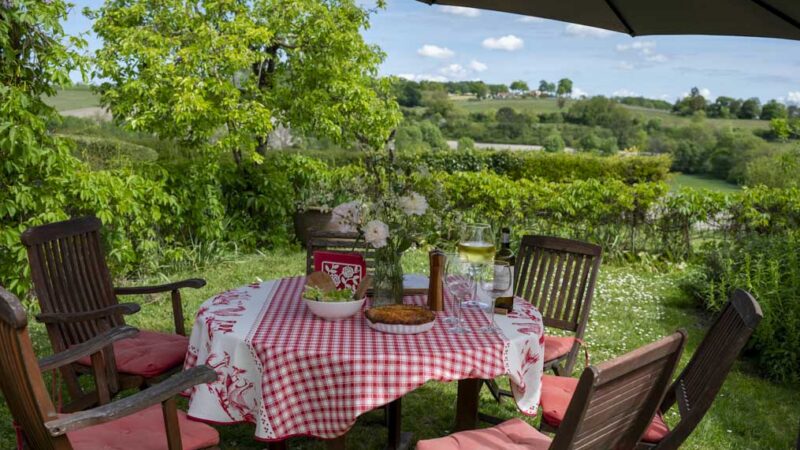
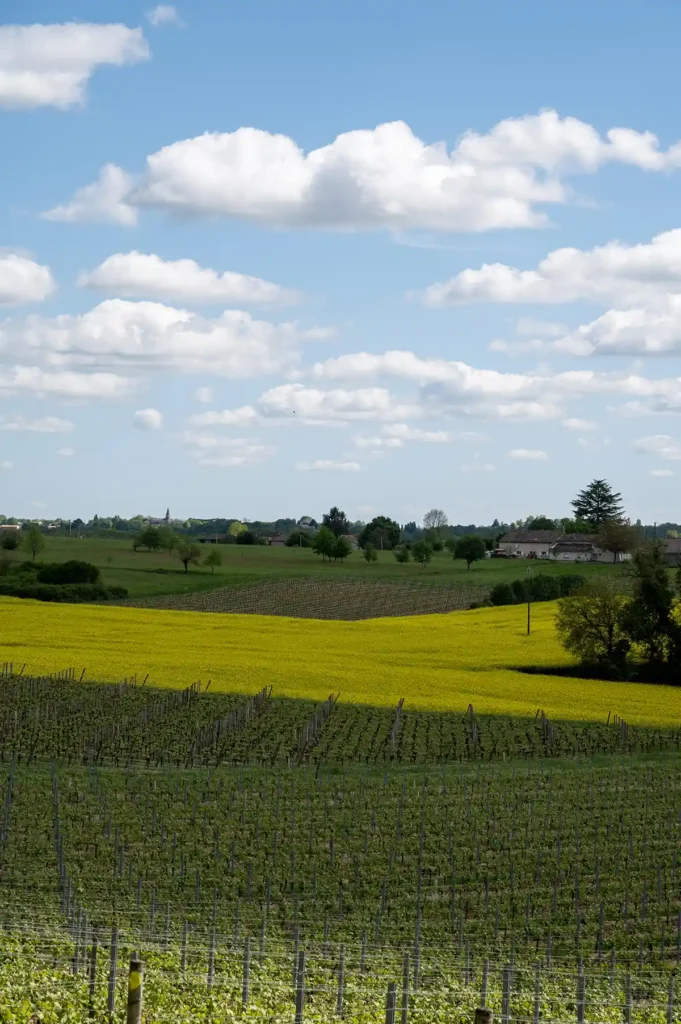
Set on the banks of the Dordogne, Bergerac is nestled at the heart of the Périgord Pourpre, or Purple Périgord, a region closely tied to its vineyards and wine making heritage. But as slow paced as you’ll no doubt find it here, there is still ample opportunity to take out your camera, albeit perhaps between sampling a freshly baked pastry from a boulangerie or sipping a glass of locally-produced wine at an outdoor brasserie.
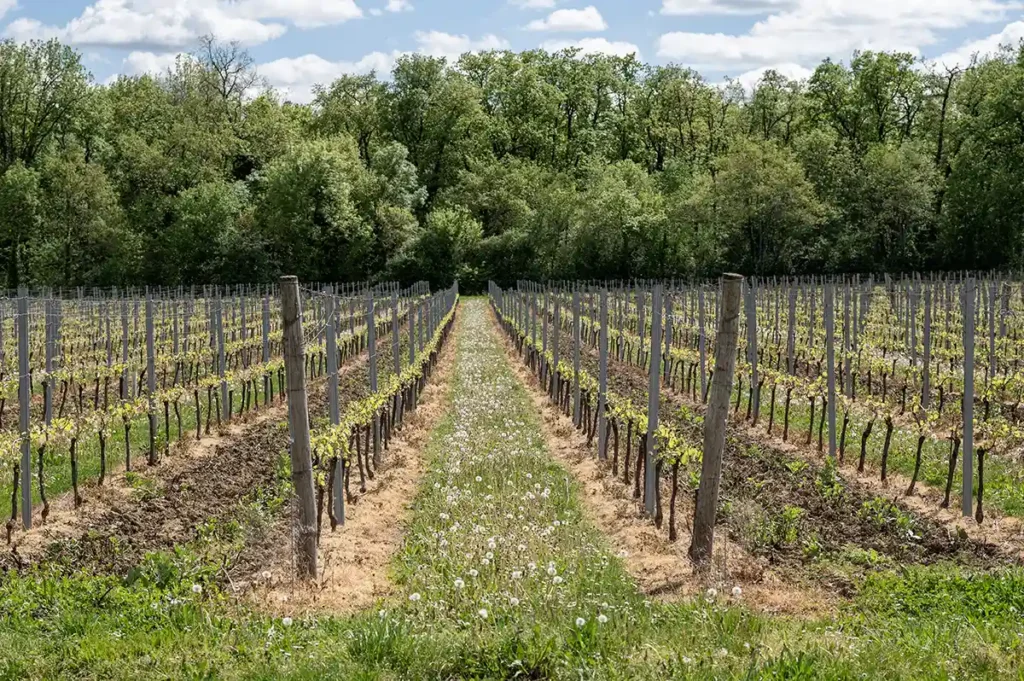
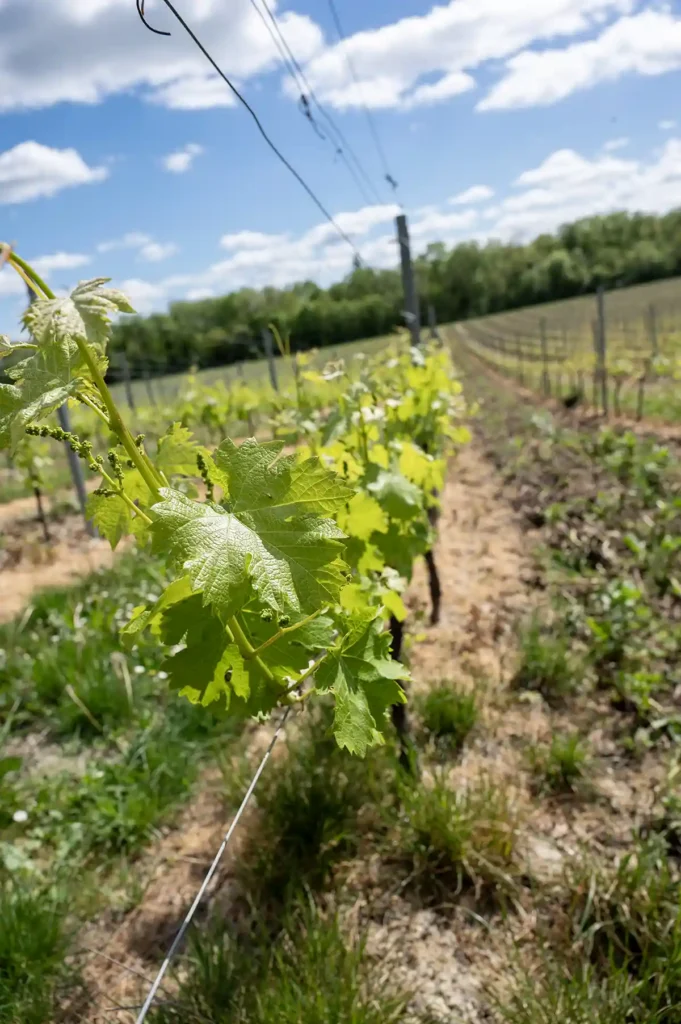
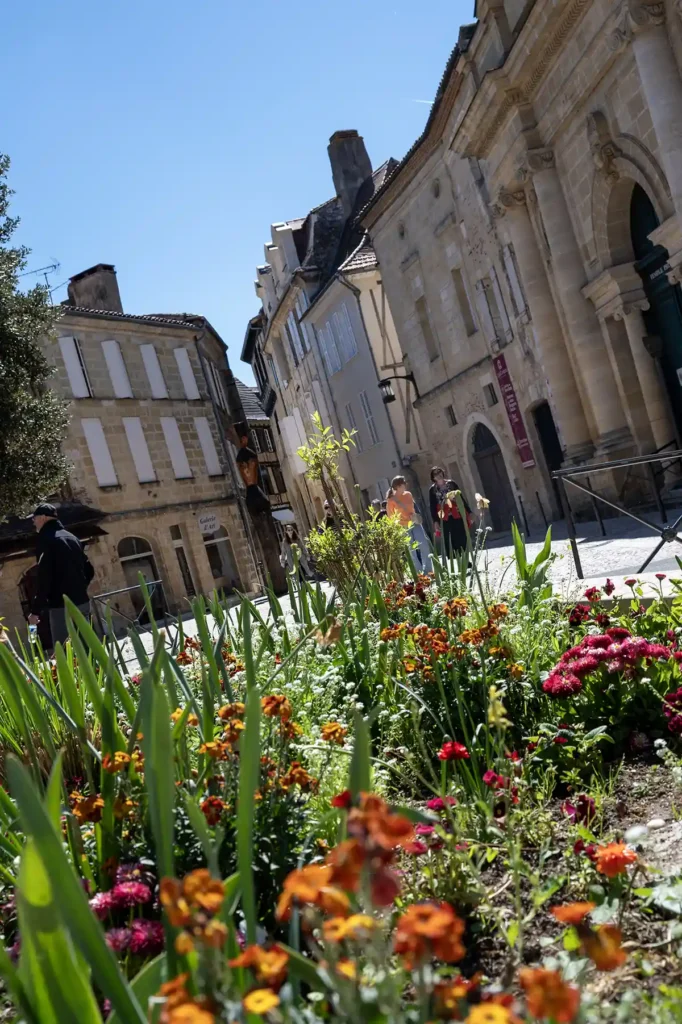
Packing bags of charm, Bergerac’s quietly photogenic character soon reveals itself as you idle along the town’s narrow cobbled lanes, past its honeycomb-coloured, half-timbered houses and out onto its pretty, sun-kissed squares, or even while taking in the sights aboard a gabare – a traditional flat bottomed boat – as you glide down the majestic river that sweeps lazily along the town’s edge. Historically, the river and the bridges that have straddled it have shaped the town for centuries, with the Dordogne carrying goods between inland France and Bordeaux, while the main crossing itself helped connect trade, travel and pilgrimage routes across the region.
What to see and do
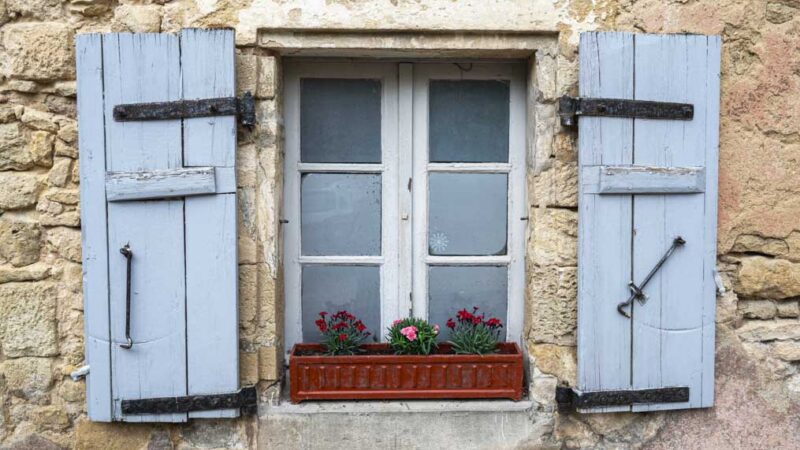
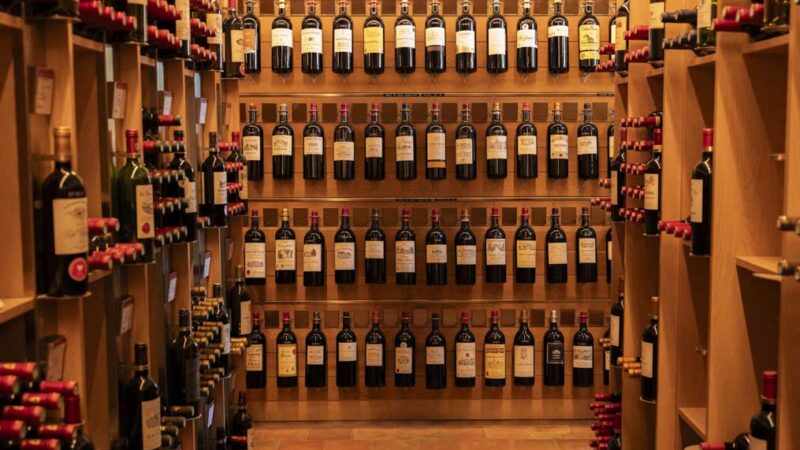
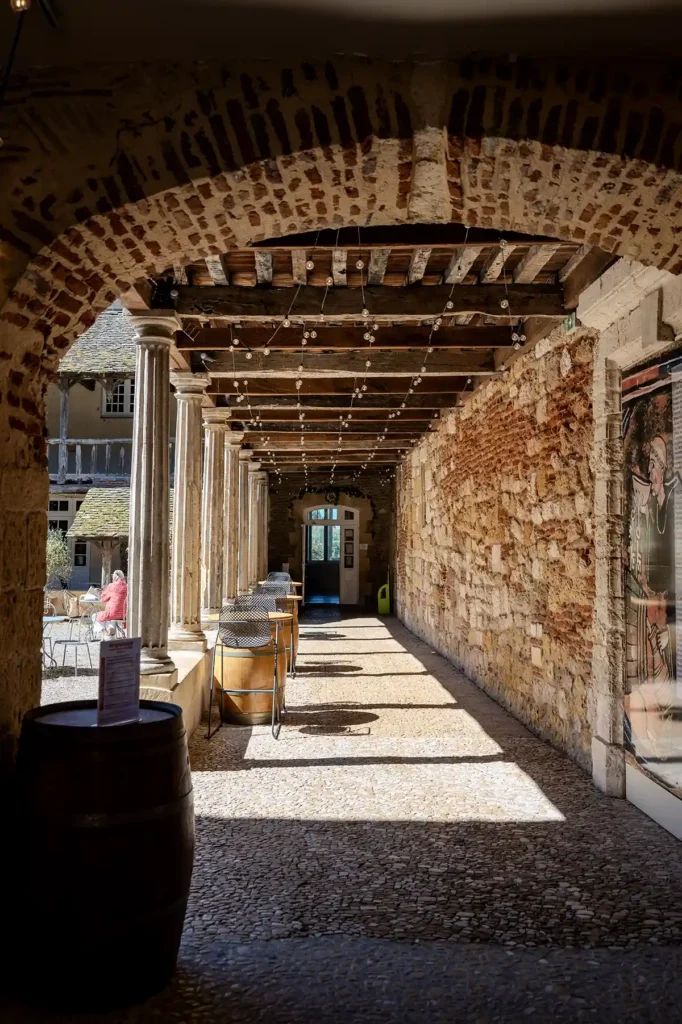
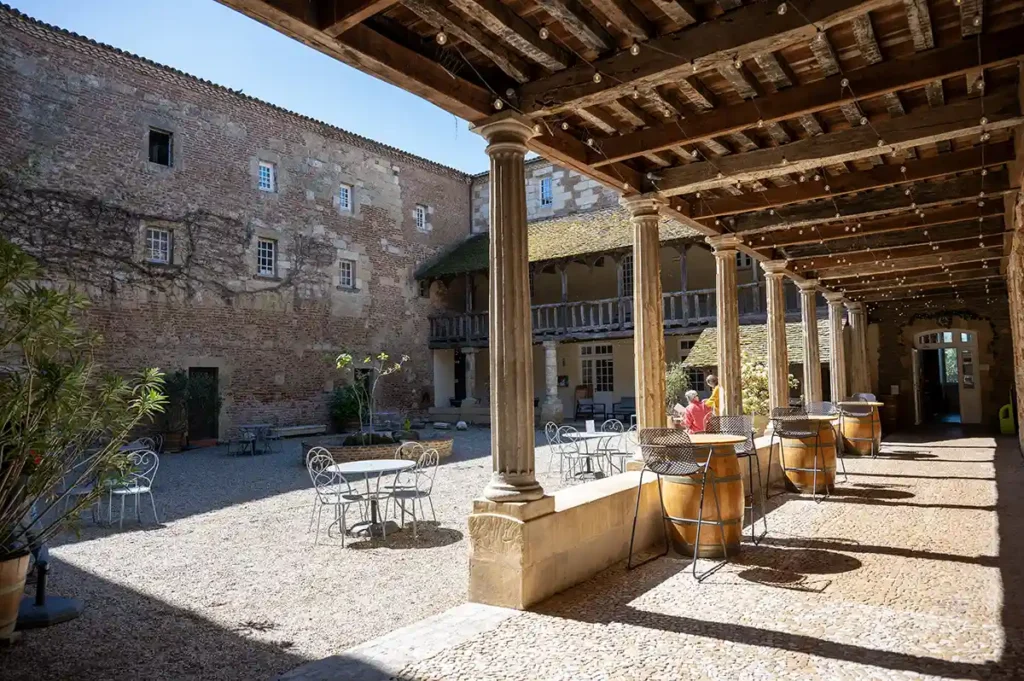
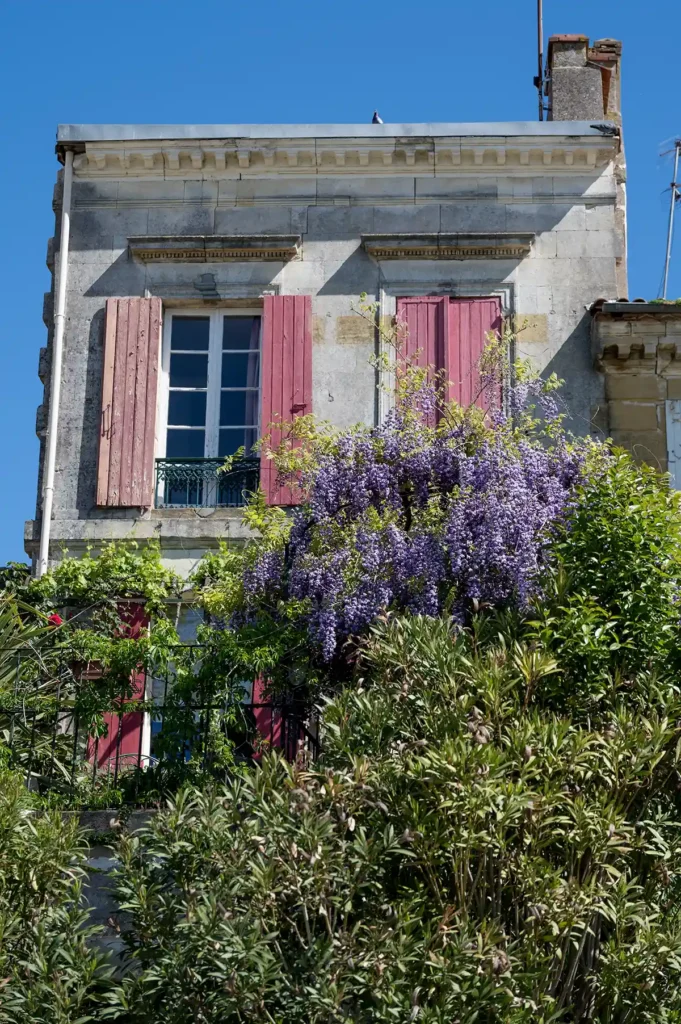
The old town makes the perfect starting point as you head towards the river; meandering through its maze of medieval streets at your own pace. Look up as well as ahead, as some of the best compositions are found in the upper storeys, rooflines, shutters and windows. As you near the waterfront, pop into Quai Cyrano – part tourist office, part wine space, part cultural hub, bringing together Bergerac’s visitor information and wine heritage in one striking riverside setting. Housed within the Cloître des Récollets – a magnificent group of 17th century monastic buildings – it is also home to the Maison des Vins; a great place for you to begin your exploration of the Bergerac Duras wine region, while its wooden galleries, columns and historic architecture are all perfect subjects to fill your frame.
Let’s face it – all the best places have a curious little oddity that’s perfect for whiling away an hour or two, and in Bergerac, you’ll find the Musée du Tabac (Tobacco Museum) claims this title. Housed in the beautifully preserved 17th century Maison Peyrarède, which makes for an especially strong subject – featuring architecture that reflects the transition from Renaissance to Classical style – the museum itself explains another layer of Bergerac’s identity beyond its wine and river trade.
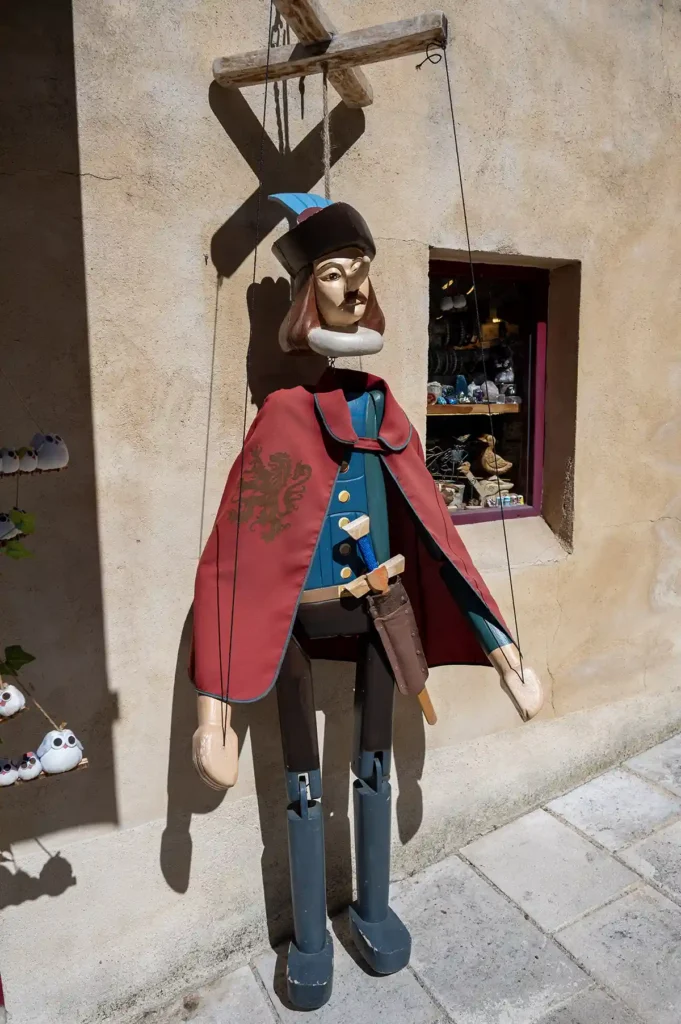
Place Pélissière is another highlight, where you’ll find sitting in the shadow of Saint Jacques church, a multi-toned bronze statue of Cyrano de Bergerac, the 17th century writer later immortalised as Edmond Rostand’s famously romantic, long-nosed fictional hero. Here, he stands with an arm outstretched towards his beloved Roxane, painted in an upper window. Yet despite the name, the real Cyrano never actually lived in Bergerac, nevertheless the town has embraced him as one of its own, with not just one tribute to him, but two! The second, made of white stone, stands proudly in the picturesque Place de la Mirpe among vibrant flower beds, shady trees and old boatmen’s houses.
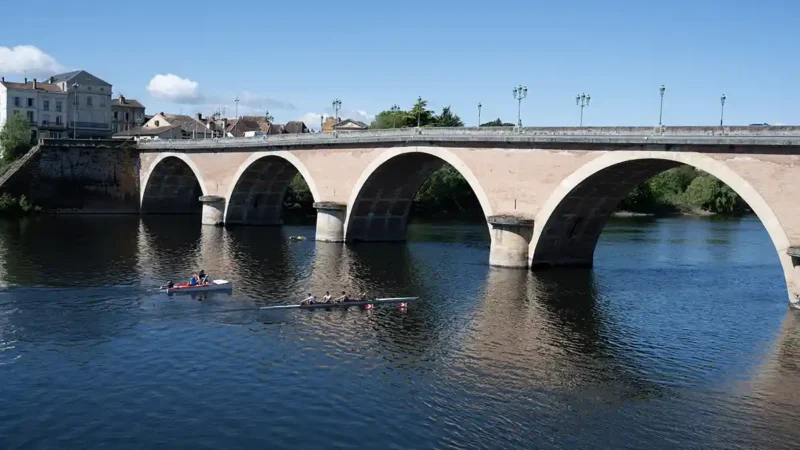
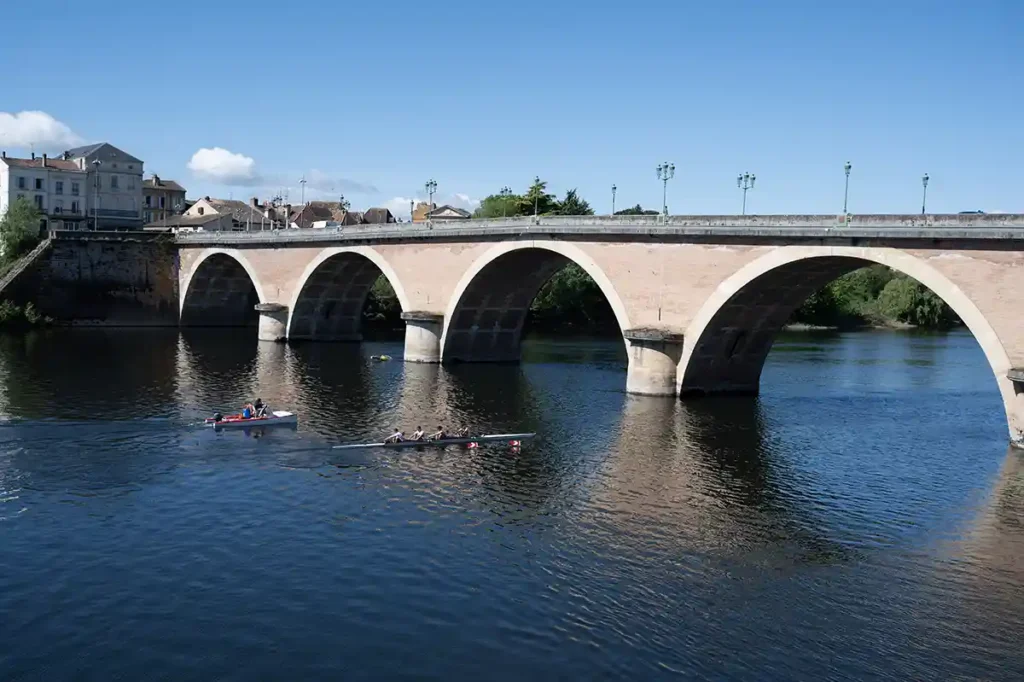
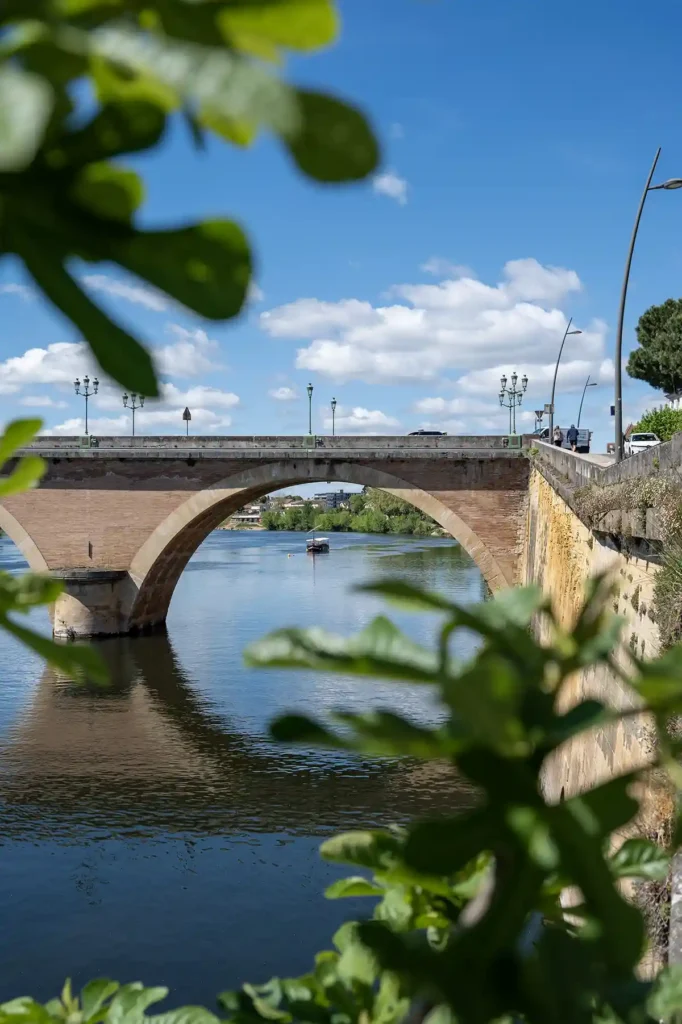
Speaking of boats – as the day winds down and the light begins to soften, why not jump aboard a gabare, or cross Le Vieux Pont, the town’s old stone and brick bridge, to capture a wider composition of Bergerac’s riverside setting that’s full of interest and layers – from river reflections and restaurants to rooftops and church spires. During golden hour, the lowering sun deepens the honey-hued façades with a warming glow, making it one of the town’s, and perhaps even the day’s, most rewarding shots.
When to visit
Those eager to capture empty ancient lanes, or clean architectural shots, should aim to arrive early in the morning or visit out of season. For street scenes alive with character and energy, where that relaxed holiday vibe meets local conviviality spilling out from cafés and restaurants onto petite squares and green spaces, head there later in the day, and especially between May and September. Plus, if it fits with your schedule, visit on Wednesdays or Saturdays for a prime opportunity to capture even more local colour; at one of Bergerac’s many markets. From traditional, organic and seasonal offerings to lively night markets, where food stalls, music and evening entertainment deliver even more excitement and atmosphere.
Where to stay
Bergerac old town is great for a day or two, and staying local is a fantastic option if your priority is early morning photography, golden hour riverside shots and evenings spent in the centre without needing to drive. However, it would be a shame not to explore more of what south west France has to offer!
Set in the verdant Charente Maritime countryside, Chatenet Holiday Gîtes offers a wonderfully rural alternative to staying in Bergerac itself, perfect for those who want a little more space, scenery and the chance to explore all the best regional highlights.
Run by British expats Craig and Leila Tanswell, originally from Bournemouth, the complex offers the choice of three self catering holiday cottages, including two larger gîtes for up to six people each and a romantic two person gîte featuring a sauna and hot tub, all surrounded by vineyards, sunflower fields and views across the Seugne valley.
Guests can relax by the pool, enjoy the extensive gardens and photograph everything from landscapes and wildlife to magnificent, unspoilt starry skies. If you can bring yourself to leave for the day, there are plenty of nearby market towns, vineyards, châteaux, beaches and cities all worth the journey, including must-see spots like Jonzac, Cognac, Blaye, Bordeaux, and of course, the world famous wine village of Saint Émilion. And speaking of wine, with their WSET Diploma in Wine under their belts, Craig and Leila also have an air conditioned, licensed tasting room on site, so guests can enjoy a guided tasting should they wish. And honestly, what better way is there to experience a place than through its local wines?
Photography kit and guides for Bergerac
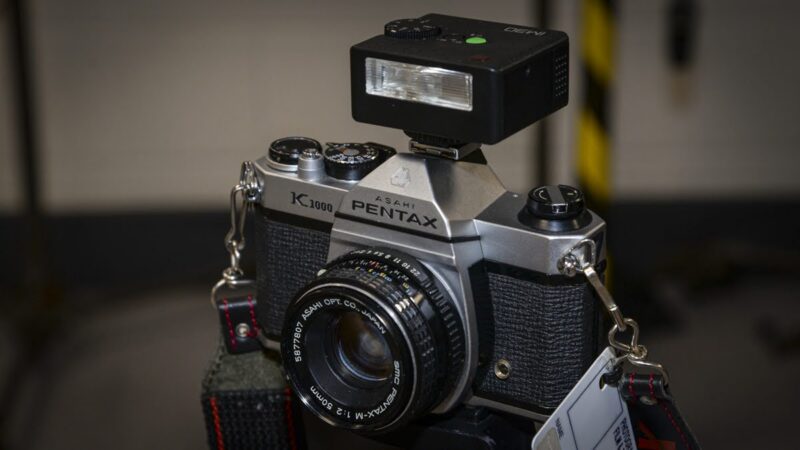
Bergerac combines half-timbered architecture, busy markets, riverside reflections and attractive evening light. A discreet travel camera with a 35mm or 50mm lens will cover most street scenes, while a tripod is useful for blue-hour photographs, river reflections and the darker skies outside the town.
Recommended product reviews
Buyer’s guides
- Best travel cameras
- Best cameras for street photography
- Best 35mm lenses
- Best 50mm lenses
- Best cameras for astrophotography