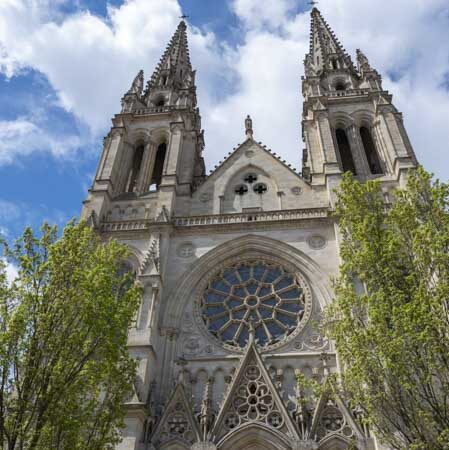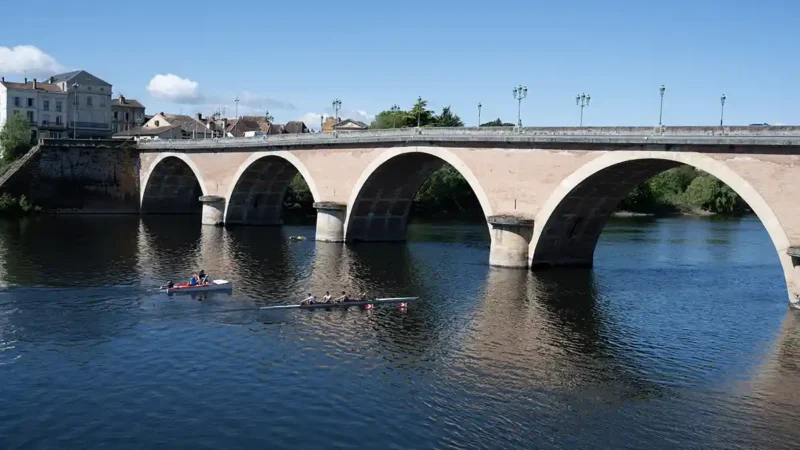

Blaye might not be the first name that springs to mind when planning a trip to sunny south west France, but that’s precisely why it’s worth a visit! Offering a window into everyday French life that feels refreshingly authentic, it’s just the ticket for a slower-paced alternative to busier Bordeaux wine towns. What’s more, this richly-layered historic port town on the right bank of the Gironde Estuary offers a UNESCO World Heritage listed citadel, spectacular river views, markets and vineyards, plus bags of potential for every kind of photographer.
Why visit
Located around 50 minutes from Bordeaux, Blaye sits in northern Gironde, separated from the Médoc wine peninsula by a wide, silvery estuary that has shaped the town’s story — one of trade, wine and war. It’s this last facet that provides the headline act though: the Citadel of Blaye! A vast 17th century fortress, built under Louis XIV, the Sun King, as part of Vauban’s defensive system, sits proudly above the town. Along with Fort Pâté, which occupies an island in the estuary, and Fort Médoc on the opposite bank, it formed the Verrou Vauban, or Vauban Lock, designed to protect Bordeaux from attack by river.
Today, the citadel is remarkably well-preserved, open to the public and free to visit. It is a wonder to wander, with breath-taking panoramic views of the river and beyond. Add in — market colour, ferry adventures, vineyards, subterranean tours and the cliffside villages of the Corniche, and Blaye soon turns from a “where?” to a “when?!”
What to see and do
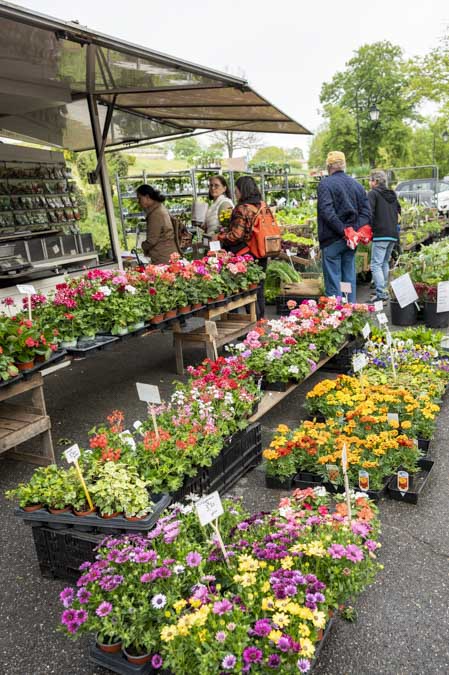
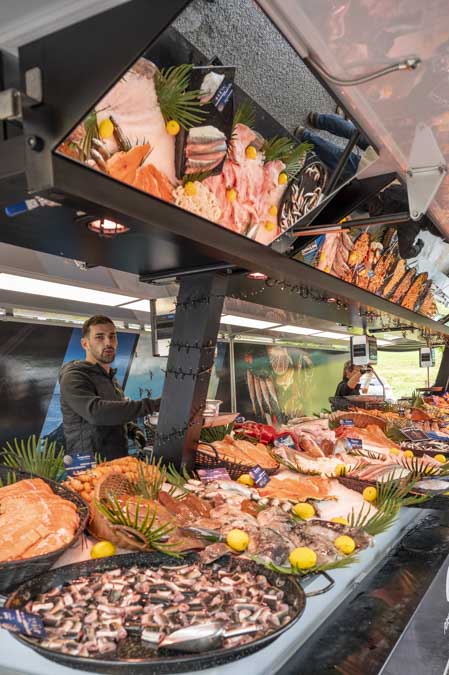
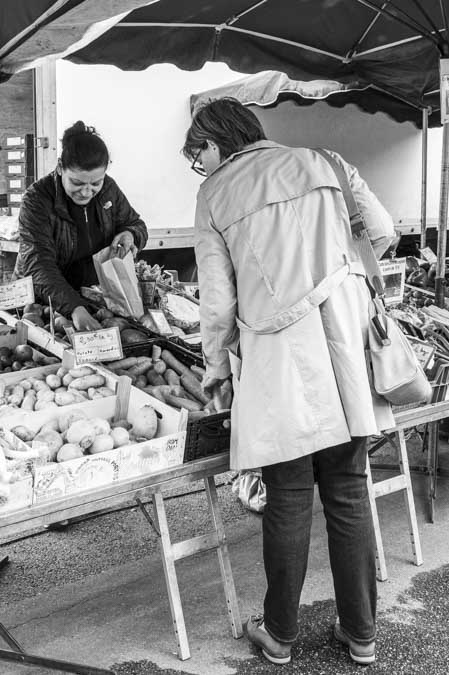
Begin your adventure in the lower town, ideally on a market day morning (Wednesday or Saturday), when Blaye feels most alive with colour, character and local charm. Capture the stall workers interacting with customers, the rows of fresh produce, as well as café scenes and other interesting everyday or architectural details in the town, before heading up towards the citadel, but only after some much deserved refreshments — perhaps a deeply-rich coffee paired with a fresh rum and vanilla soaked canelé — the region’s beloved little caramelised cake.
From the lower town where the market is held, follow the gentle slope near the bandstand, up towards the citadel gates and beneath the ramparts, where you’ll emerge on the other side feeling like you’ve stepped into a world lost to time. From cobbled alleyways and tumbledown cottages to cute cafés, old chateaux and crumbling ruins — there is so much to explore and capture here. In particular, look out for the remains of the medieval Château des Rudel, the Tour de l’Éguillette, the parade ground, the powder magazine and the restored convent buildings, which are now used for exhibitions and cultural events.
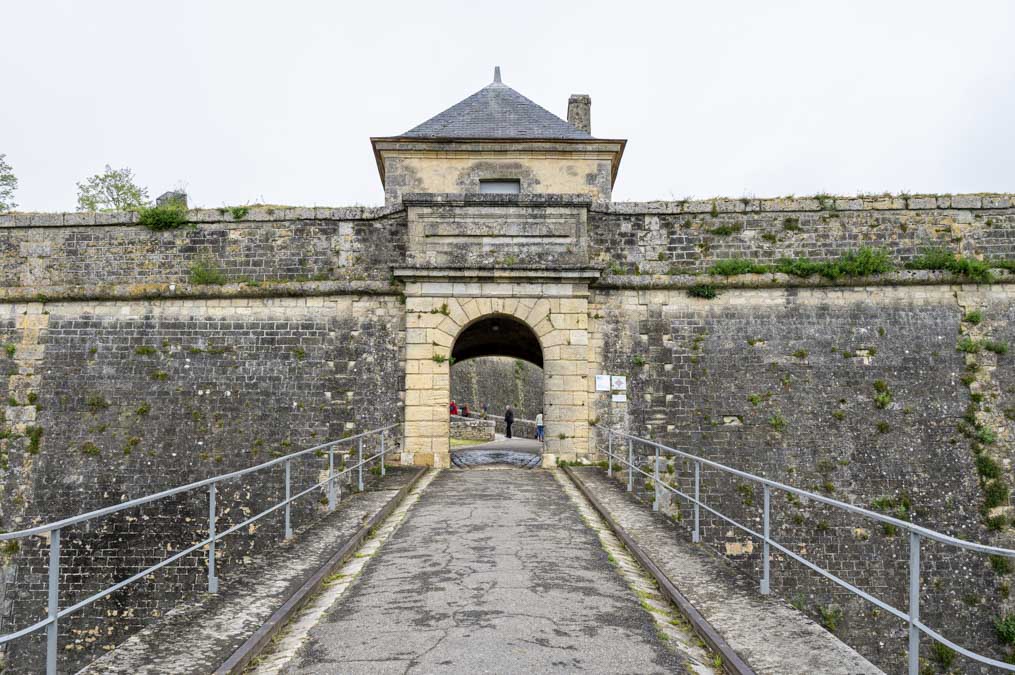
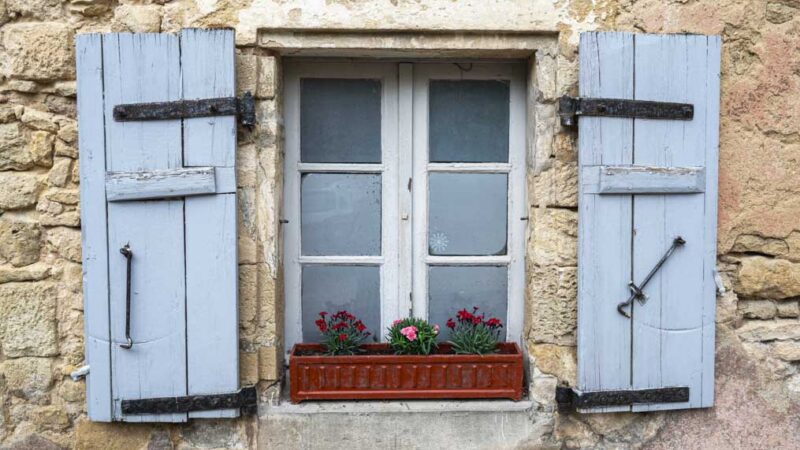
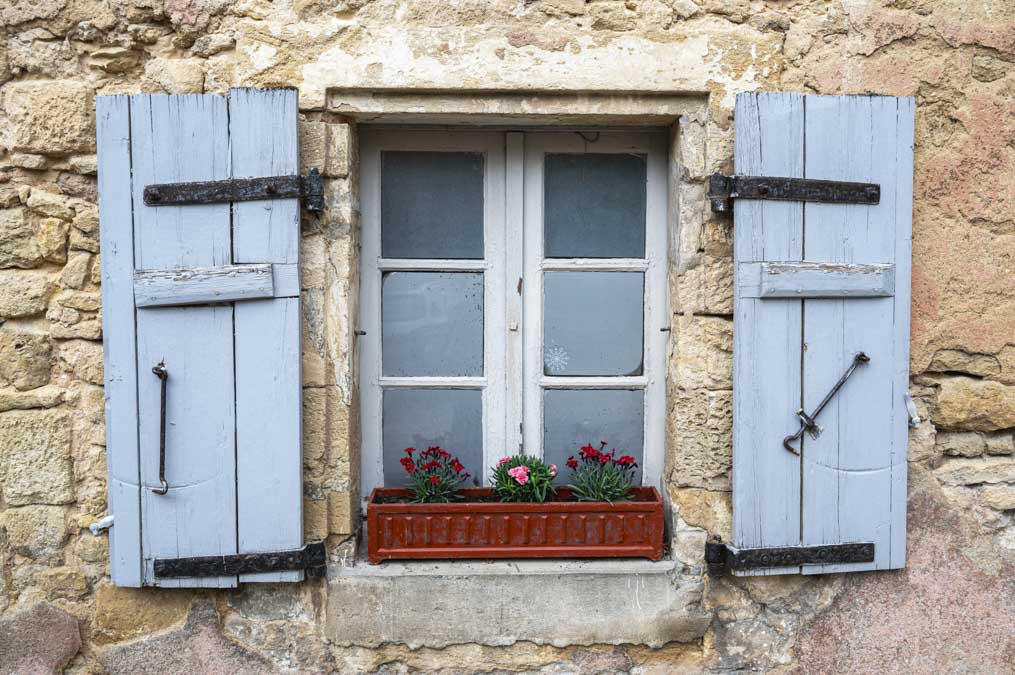
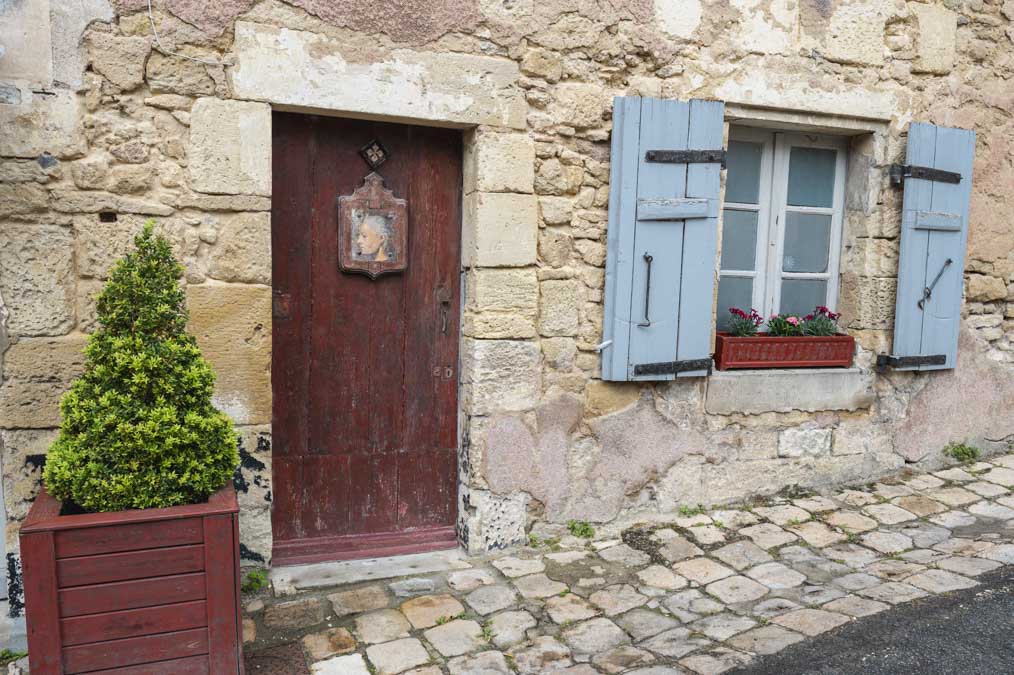
For photographers, this is simply a wonderland for transitioning from wide views down to the smallest details. Start with the scale of the ramparts, gateways and defensive ditches, before closing in to frame smaller vignettes through archways, windows and narrow passages between buildings. Then focus on features such as the lichen-dappled stone walls, woodwork, painted shutters and overgrown gardens, all of which express the romance of the ancient fortress. Late morning side light is so useful here, helping to reveal textures and bring depth to the shadows.
Working your way through the fortress, you’ll eventually reach the ramparts, where spectacular views across the water towards the Médoc await, and on a clear day you’ll easily spot Fort Pâté on its island in between. In fact, this estuary was also the site of a more recent wartime story, as in 1942 during Operation Frankton, better known as the “Cockleshell Heroes” raid, British Royal Marines paddled up the Gironde in small folding kayaks to attack Nazi boats in Bordeaux. Although only two of the ten men survived, the Blaye area became an integral part of their escape story, helping to inspire the 1955 movie.
Pause here for some riverscape photography, take a walk along the shores, settle down for a picnic in one of the shaded green spaces, or return to the citadel’s heart for a lovely long lunch; French style.
Later in the afternoon, get an even better feel for the citadel, by giving the guided underground tour a go! These subterranean passages reveal a darker glimpse into the citadel’s past, where eerily cold corners and tomb-like stone corridors create a fascinating contrast to the broad, open estuary views above.
Not for you? Then why not jump aboard the river ferry, which will whisk you over to Lamarque on the Médoc side of the estuary? During the crossing, be sure to take a look back towards Blaye for a superb shot of the whole town, with the citadel rising from the riverbank, before turning your lens towards Fort Pâté, a lonely landmark in the water. Once across, Fort Médoc and the surrounding vineyards deliver another chapter of the Vauban story if you have the time, otherwise journey back to Blaye for a second chance at that spectacular cityscape.
If time on the water is not your thing, there’s a fun, little tourist train to show you the sights, including a general overview of Blaye, the citadel, the vineyards and, on some routes, nearby Plassac with its Gallo Roman villa.
However you choose to while away the day in Blaye, be sure to return to the ramparts for golden hour, when the citadel feels at its most cinematic! Apricot and rose coloured painterly strokes fill the sky, reflecting on the citadel’s sun-warmed stone and across the shimmering surface of the Gironde. A telephoto lens is perfect for compressing the river, Fort Pâté and the far bank, while a wider lens will capture the vastness of the estuary and the geometry of the fortifications.
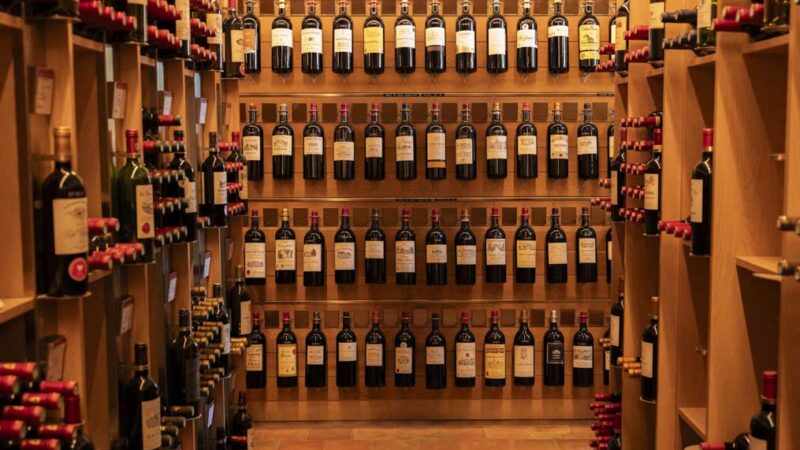
As dusk gives way to night, reward yourself with some local cuisine such as asperges du Blayais, lamprey à la bordelaise or fresh fish from the estuary, accompanied by “un verre du vin”, or deux, from the surrounding Blaye Côtes de Bordeaux vineyards, particularly known for delicious reds led by Merlot, along with dry white wines.
When to visit
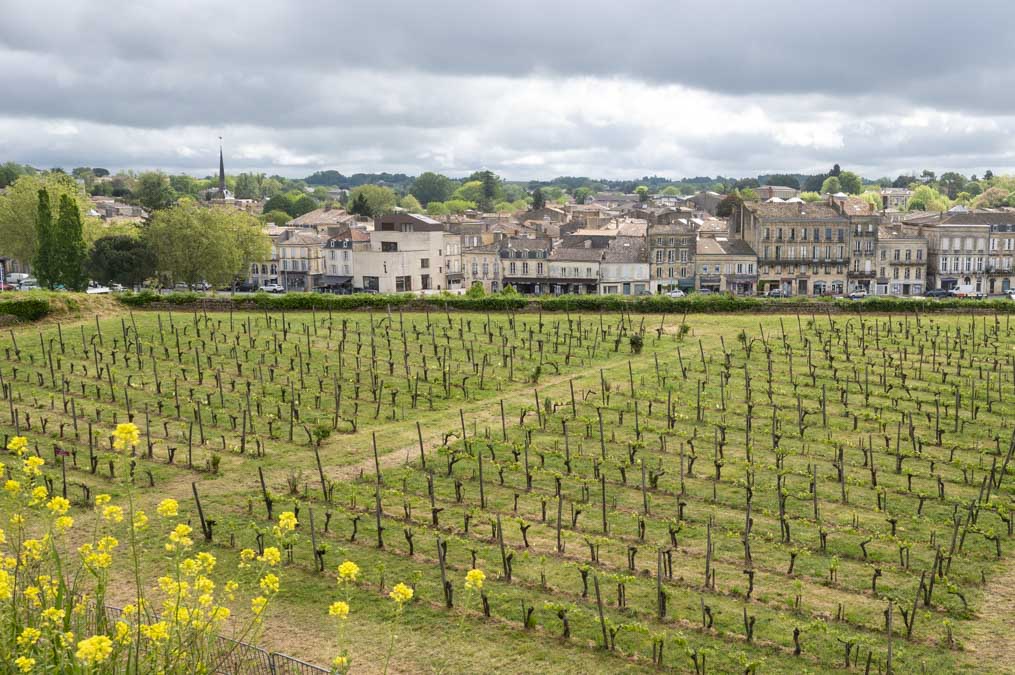
Unquestionably, spring! Spring is when Blaye truly shines! The climate is mild, flowers are in bloom, the vineyards are coming back to life, the market is full of seasonal produce, from Blayais asparagus and strawberries to early cherries, spring peas and new potatoes, plus the town puts on its show-stopping annual celebration; Printemps des Vins de Blaye. Held right inside the citadel, this festival of local wine brings together producers, tastings and a wonderfully relaxed atmosphere, where wine-loving visitors are embraced like locals.
Where to stay
While you might not be able to bed down for the night within the citadel itself, there are dozens of charming accommodation options in Blaye, many within incredibly beautiful 18th century buildings and are particularly perfect for early-birds wanting to catch the sights without people wandering into shot, or for those chasing the golden hour and beyond.
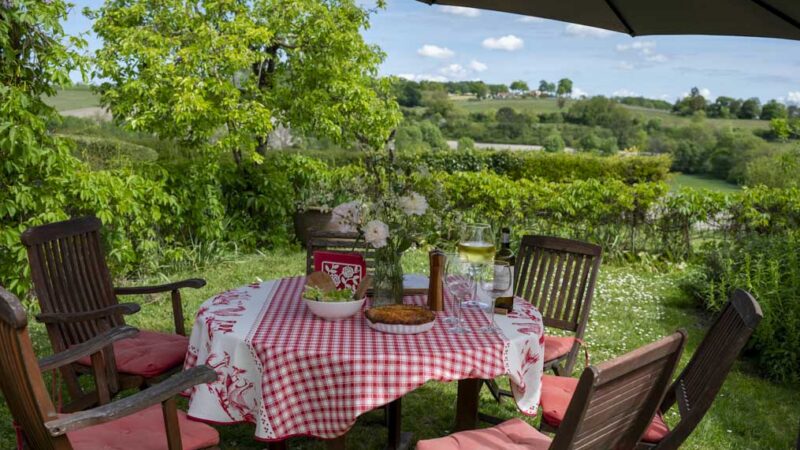
However, if you have the time and freedom to roam, there’s so much more of the region to discover, and basing yourself somewhere peaceful yet well connected will really open up the map! For example, set in the delightful Charente Maritime countryside, Chatenet Holiday Gîtes offers a truly peaceful getaway, giving guests space, scenery and a gateway to vineyards, estuary towns and some of the region’s best highlights.
Run by British expats Craig and Leila Tanswell, originally from Bournemouth, the complex offers the choice of three self catering holiday cottages, including two larger gîtes for up to six people each and a romantic two person gîte featuring a sauna and hot tub, all surrounded by vineyards, sunflower fields and views across the Seugne valley.
Guests can relax by the pool, enjoy the extensive gardens and photograph everything from landscapes and wildlife to magnificent, unspoilt starry skies. If you can bring yourself to leave for the day, there are plenty of nearby market towns, vineyards, châteaux, beaches and cities all worth the journey, including must-see spots like Jonzac, Cognac, Bergerac, Bordeaux, and of course, the world famous wine village of Saint Émilion.
And speaking of wine, with their WSET Diploma in Wine under their belts, Craig and Leila also have an air conditioned, licensed tasting room on site, so guests can enjoy a guided tasting should they wish. And honestly, what better way is there to experience a place than through its local wines?
Like this? Want more?
Check out other guides in this series including: Bergerac, Bordeaux and Saint-Émilion!