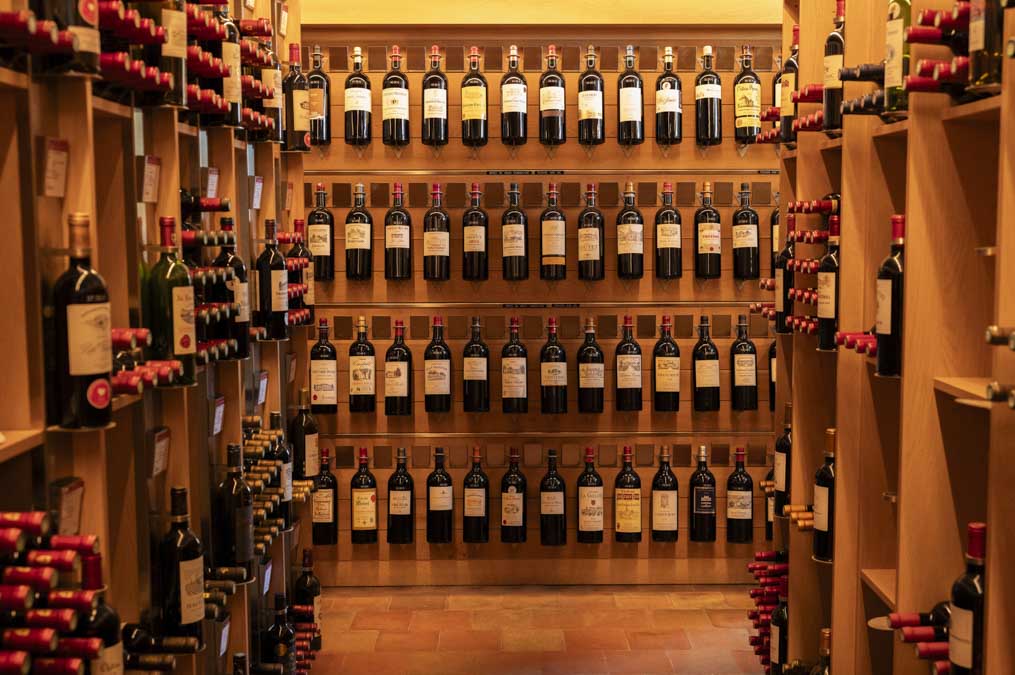

Come for the wine; stay for the photography! Compact, romantic and almost ridiculously photogenic, Saint-Émilion is one of southwest France’s most camera-ready escapes. Small in size yet big on history, atmosphere and views, this UNESCO-listed medieval village is a dream to explore with a camera in hand, from its smooth-worn, steep cobbled lanes and honey-hued houses to its ancient churches, historic landmarks and lush, vine-striped landscapes, there’s something worth capturing at every turn.
Why visit
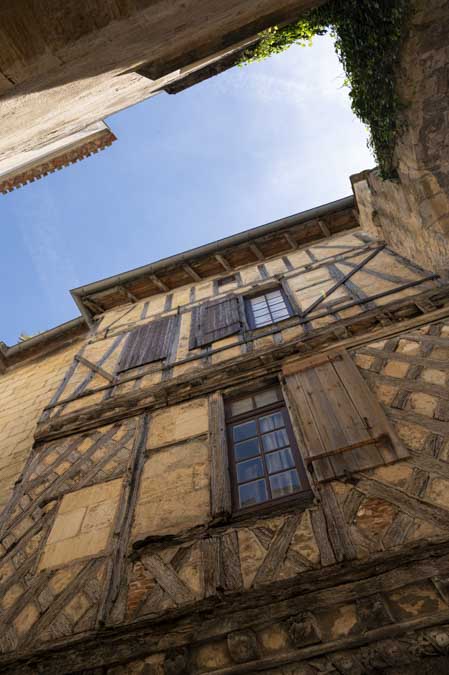
Set on a limestone hillside around 40km northeast of Bordeaux, the world-famous wine village gazes out across the Dordogne valley, combining elevated viewpoints, ancient architecture and some of the most celebrated vineyards in France. Designated a UNESCO World Heritage Site in 1999, Saint-Émilion and its surrounding wine estates are best known for their Merlot-dominated reds. But for photographers, the appeal goes far beyond a lovely drop. Architecture lovers can frame medieval sights and ancient stone details, while landscape photographers can turn their lenses towards the panoramic views and vine-striped countryside that wrap around the village. Meanwhile, the epic underground tour and Saint-Émilion’s romantic evenings offer plenty for low-light enthusiasts, plus the storybook cobbled lanes, wonky buildings and quiet tucked-away corners feel as though they were created for street photographers to enjoy. Put simply, world-famous Saint-Émilion feels like a playground for photographers and wine lovers alike.
What to see and do
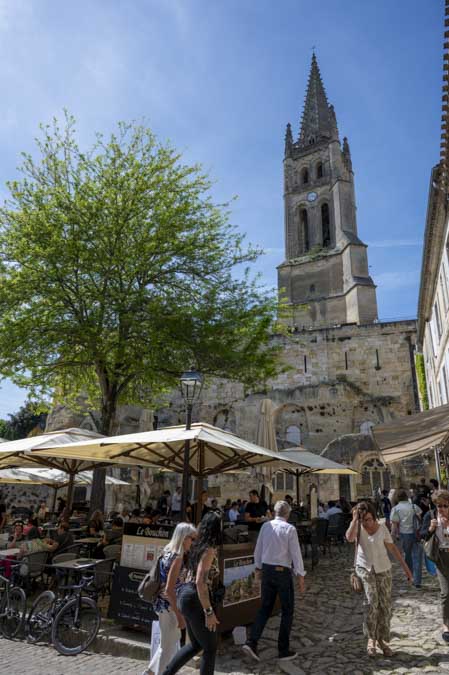
If you’re driving, it’s worth arriving early, as parking around the roads leading into the village can become trickier after mid-morning. Then before you do anything else: coffee and pastry. Fresh, French and absolutely necessary for a day of photographic exploration in one of France’s most photogenic wine villages. Arrive early to beat the crowds, then head for Place du Marché; the main square (you can’t miss it), where you can grab an outdoor table, admire the honey-hued buildings and gaze up at the village’s iconic bell tower.
While you’re still in the heart of the village, book onto the guided underground tour of Saint-Émilion — or even before your visit if possible — and be rewarded with a rare glimpse of the centuries of history hidden beneath the cobbles. The route takes you beneath four of the town’s main monuments: the Monolithic Church — a vast underground church carved into the limestone in the early 12th century, the Trinity Chapel, the catacombs and the hermitage of Émilion — a secluded cave where the monk Émilion is said to have lived as a hermit in the 8th century.
If you’re able, take on the challenge of climbing the 196 steps of the Monolithic Church Bell Tower for a sweeping 360-degree view over the rooftops, vineyards and surrounding countryside. Alternatively, you can head to the Tour du Roy, or King’s Keep, where 118 steps lead to another superb panorama over the medieval village and its rolling wine country.
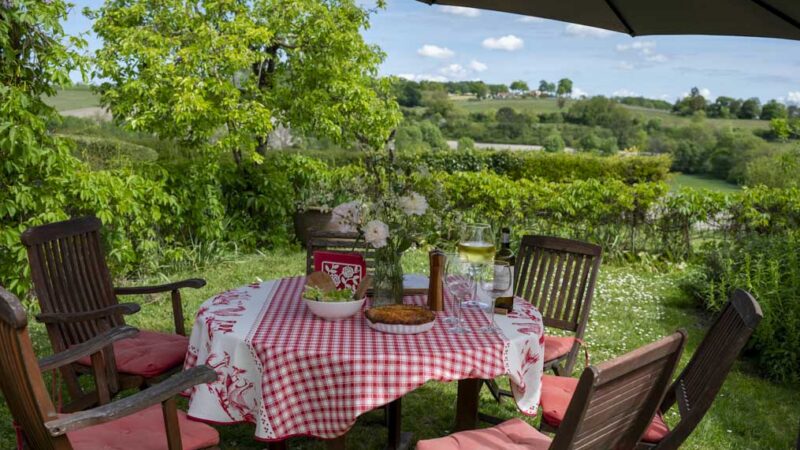
By the time lunch rolls around, you’re sure to have worked up quite the appetite, which is great, because Saint-Émilion may be small, but it goes big on food! For relaxed dining in the village, L’Envers du Décor is a classic choice, known for its friendly atmosphere, pretty courtyard terrace and serious wine credentials. For a special occasion, there’s the super stylish Michelin-starred Logis de la Cadène, whose doors have been open since 1848, or for something truly perfect for the place, take a short 20-minute stroll out of town to Château Tour Pourret, a certified organic Saint-Émilion Grand Cru estate, where you can settle in for cheese and charcuterie platters, local sweet treats and, of course, their incredible homegrown wine, all with a spectacular view.
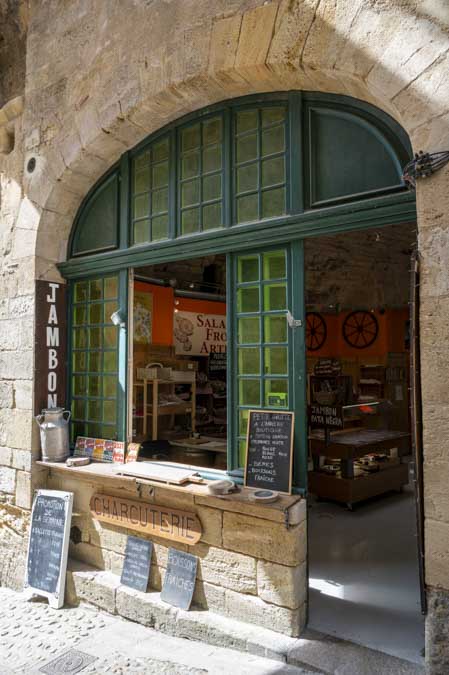
After lunch, simply wander and enjoy the experience of being somewhere so incredible! Saint-Émilion’s iconic steep cobbled lanes, known as les tertres, link the upper and lower parts of the village, making them perfect for slow exploring, giving you plenty of time to browse the independent boutiques, artisan stores and tempting boulangeries, where you should definitely pick up a post-lunch treat in the form of a box of traditional Saint-Émilion macarons. Less colourful than their Parisian cousins, these soft almond biscuits are made with almonds, egg whites and sugar, and are one of the village’s best-loved specialities. Alternatively, try another regional favourite: canelés — pretty pastries with a caramelised crust and soft, custardy centre, traditionally flavoured with vanilla and rum.
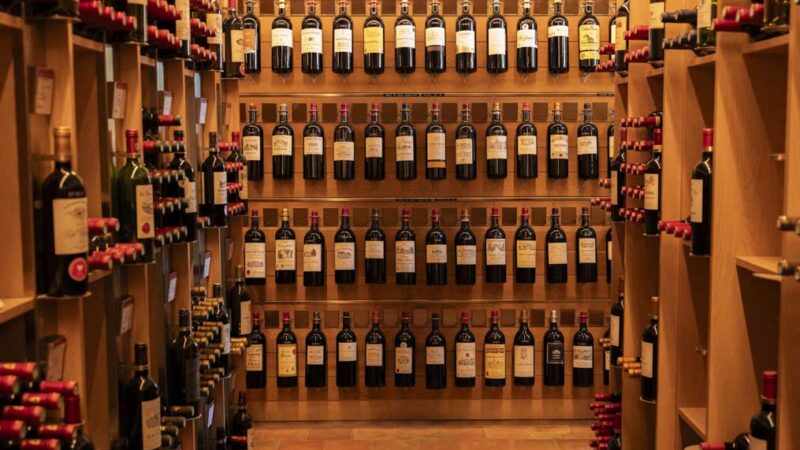
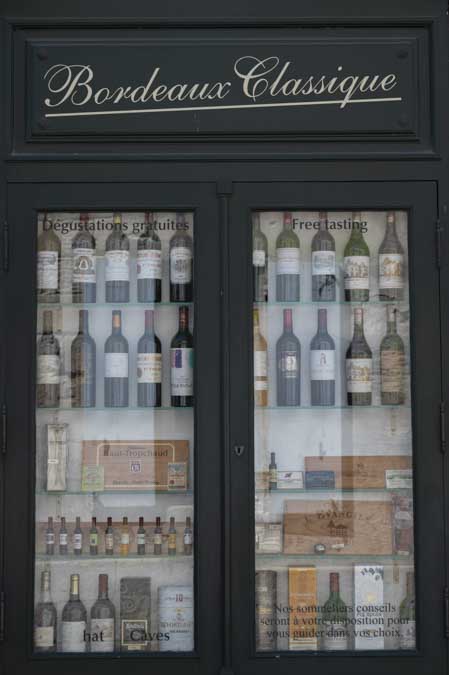
Then, to wet your whistle, you don’t have to wander far to find a wine shop offering local (and often, free) tastings. In fact within the small village, there are simply dozens of vin merchants and tasting rooms, offering an easy way to sample Saint-Émilion wines without leaving town. Bordeaux Classique, in the lower part of town, is a well-stocked choice for those who want a relaxed introduction to great local wines, while Maison du Vin de Saint-Émilion, near the tourist office at the top of the hill, brings hundreds of Saint-Émilion wines together almost like a library of the local appellation. For another level of wine immersion, venture into the landscape itself by booking a château visit and tasting in advance. Château Cantenac is a lovely option for a friendly, educational visit on a family-run Grand Cru estate, while Château Montlabert combines Saint-Émilion wine with striking architecture and immersive tasting experiences.
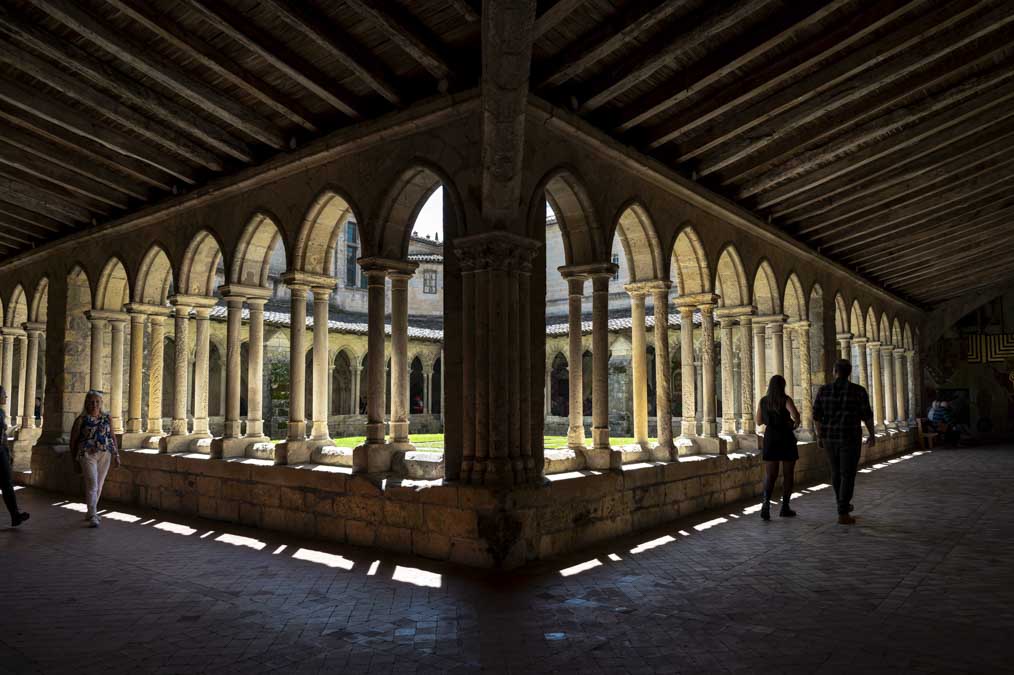
If you’re still town-bound, take a final wander to Place du Clocher, an open square beside the tourist office that acts like a balcony over the village, with iconic views across the terracotta rooftops and down towards the lower market square. Then what better way to round off the day at the Cloître des Cordeliers, a romantic cloister ruin where you can settle into the on-site wine bar and oasis-like garden with a crisp, cold glass of Crémant de Bordeaux. Santé!
When to visit
Planning a visit to Saint-Émilion? Arguably, the best times to go are late spring or early autumn, when the village is at its most atmospheric without the heat and peak summer crowds. April, May and June bring mild weather, fresh greenery and lush vineyards, making them ideal for slow walks, cycling routes and photography, while late September and October are equally special, as the vines begin to turn golden and harvest season brings a lively, wine-focused buzz to the village. Whenever you visit though, just be sure to book your non-negotiable must-do experiences, such as the underground visit, château tours, tastings and restaurants, well in advance.
Where to stay
Saint-Émilion is a wonderful place to stay for a night or two, especially if you’re keen to wander the village before the day-trippers arrive, enjoy some early morning photography or stay for the wine without worrying about driving afterwards. There are places to stay within the village itself, from boutique hotels and guest houses to luxurious addresses tucked into the medieval streets, but accommodation is limited and can book up quickly.
An alternative many visitors choose is to visit Saint-Émilion for the day, but base themselves in the Charente-Maritime countryside, with more space, rural scenery and easy access to surrounding regional highlights. A top choice is Chatenet Holiday Gîtes, run by British expats Craig and Leila Tanswell, originally from Bournemouth.
The welcoming home-from-home like complex offers three self-catering holiday cottages, including two larger gîtes for up to six people each and a romantic two-person gîte with a private jacuzzi and sauna, all surrounded by vineyards, sunflower fields and views across the Seugne valley. Guests can relax by the pool, enjoy the extensive gardens and photograph everything here from rural landscapes and wildlife to magnificent, unspoilt starry skies. If you can bring yourself to leave for the day, there are plenty of nearby market towns, vineyards, châteaux, beaches and cities worth the journey, including must-see spots such as Jonzac, Cognac, Bergerac, Blaye and, of course, the wine capital of the world, Bordeaux. Speaking of wine, Craig and Leila have also completed their WSET Diploma in Bordeaux and have an on-site tasting room, so guests can enjoy a guided tasting should they wish. And honestly, what better way is there to experience a place than through its local wines?