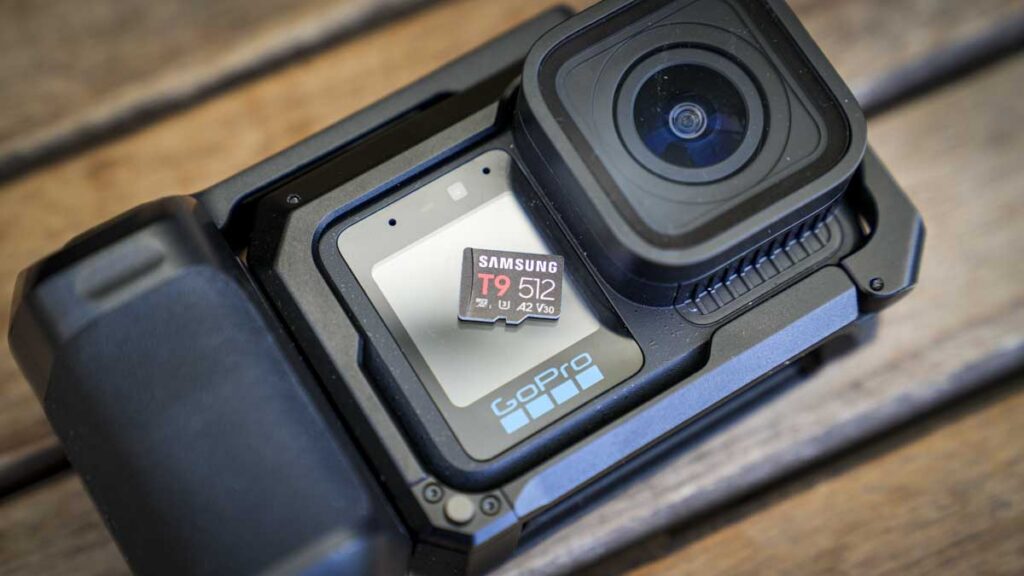

Samsung T9 microSD card review: fast V30 4K/8K performance, rugged protection and A2 support for cameras, drones and creators.

Our Verdict

The Samsung T9 is a fast, tough UHS-I microSD card that handled everything I asked of it in two demanding cameras. On the GoPro Mission 1 Pro and the DJI Osmo Pocket 4P, it kept up at every setting either camera offers, including the GoPro’s 8K/60 and both cameras’ 4K/240 fps slow motion, without a single dropped recording.

The headline speed on my test equipment didn’t quite match those headline numbers, and after trying a series of different readers, the results from the first run remained roughly the same. Across three benchmarking tools and two separate card readers, the T9 read at an average of 91.7 MB/s rather than the 200 MB/s printed on the packaging. That is not an issue with the card; it’s the UHS-I interface operating at 88% of its potential, and, more than likely, like other UHS-I cards of this style, it needs Samsung’s own reader running a proprietary mode to reach that 200 MB/s speed.

When using either the Mission 1 Pro or the 4P, read speed isn’t the issue and what matters far more is sustained write speed, and here the T9 has plenty to spare. Even at its slowest measurement, it wrote at 49.81 MB/s, which is 1.7 times the V30 requirement and well ahead of anything either camera can demand of it.

Who it’s for: action camera and gimbal camera users shooting 4K or 8K, photographers who want a card that survives a soaking, and anyone running apps from storage who benefits from the A2 rating.

What is the Samsung T9 microSD card?
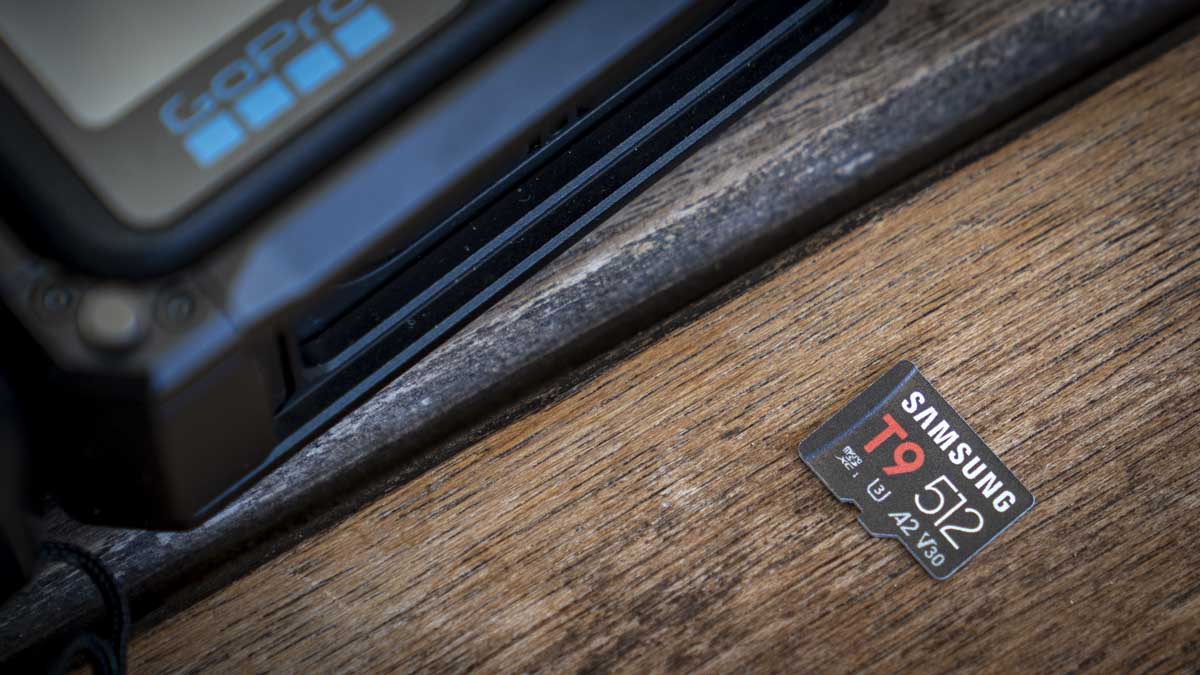
The Samsung T9 is a high-performance microSDXC card built on the UHS-I interface, carrying U3, V30, and A2 ratings. This essentially means it’s good for most action cameras and drones, and it’s only in adapters and when popped into the latest cameras that you’ll find it skipping a beat. The T9 is aimed at 4K and 8K recording in cameras, drones and action cameras. If it’s of interest to you, then it’s also pretty decent for handheld gaming devices, such as the Nintendo Switch II, where application performance matters as much as raw transfer speed.
The card comes with the usual selection of ratings, with U3 and V30 both guaranteeing a sustained write speed of 30 MB/s, which is sufficient for the Mission 1 Pro to keep recording without dropping frames. A2 describes random read and write performance, which highlights how quickly a device, such as the Switch II, loads assets or runs an application directly from the card. I don’t have a Switch II, so while I test the read speeds when downloading data, it’s slightly different to the use when installed in a Switch II or similar.
Samsung T9 microSD card
For this review, I have the 512GB capacity card, more than enough for several days of filming, and this is also currently the largest in the range. Once again, and one of the reasons for coupling this with the latest GoPro is that it comes with Samsung’s six-proof durability. This covers water, temperature extremes, X-rays, magnetic fields, drops from five metres and 10,000 insertion cycles. Several of these I was unable to test for obvious reasons, but it still feels like a good test coupled with the GoPro.

Specification

Capacities available: 512GB (tested), with smaller capacities in the range
Size: 15 x 11 x 1mm
Weight: Approximately 0.25g
Technology: UHS-I, U3, V30, A2
Rated R/W speeds: Up to 200MB/s read, up to 130MB/s write
Operating temperature: -25°C to 85°C
Durability: Six-proof protection, 10,000 mating cycles
Warranty: Three years
Price: £144

Build and Handling
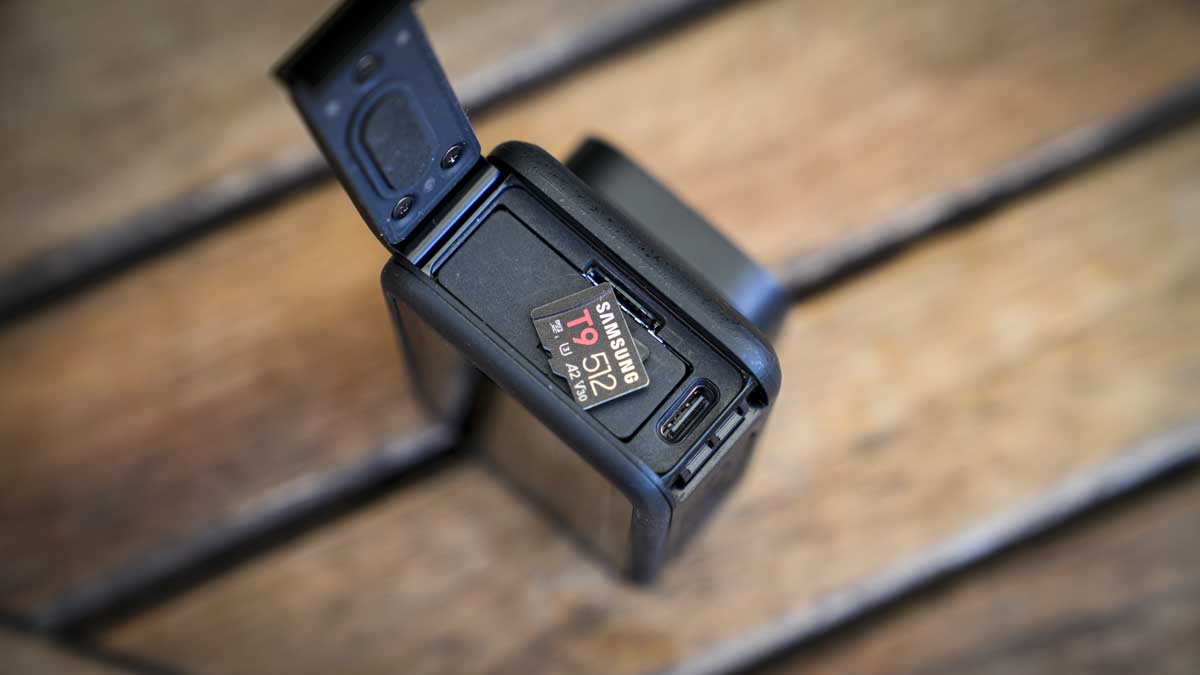
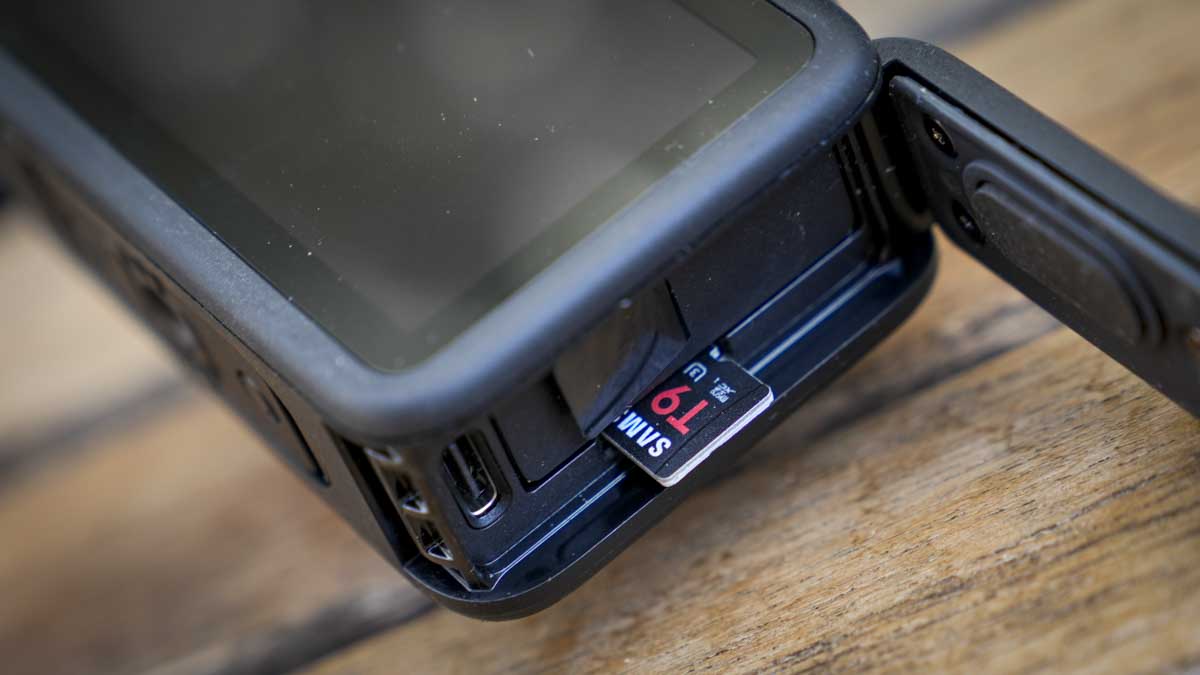
There is not a great deal to say about handling a card that measures 15 x 11 x 1mm and weighs around a quarter of a gram, other than that it is the standard microSD form factor and fits everything you would expect, including my two test devices, the GoPro Mission 1 Pro and the DJI Osmo Pocket 4P. As with every card this size, the practical risk is losing it rather than breaking it, and a dark card dropped on a dark surface outdoors is gone; actually, even inside it takes a while to locate. A long-running theme for me is the brighter the better, and front and back, make it two-tone, make it bright, neon preferably.
Samsung T9 microSD card
What also matters is that, when used on a drone or handheld gimbal, for an action camera, it survives the additional vibrations and knocks that just wouldn’t happen with a normal camera. Samsung has highlighted that there are six-proof ratings that covers card from water immersion (tested), temperatures from -25°C to 85°C (Almost 49ºC in direct sunlight, pretty cold in the freezer), X-ray exposure (Er no), magnetic fields (Tested with a fridge magnet), drops from a height of 5 metres (Done, but almost lost), and 10,000 insertion cycles (Life’s too short).

Features

Because this is a MicroSD card and, as such, serves one real purpose, which is to store files, the important factors here are capacity and speed, both for read and write. The capacity feature is easy to explain, and the main headline of 200MB/s highlights the maximum transfer speed for files. But then there are the U3 and V30 ratings with A2 application performance, which these days is the important feature to check. U3 and V30 indicate the sustained sequential write speed for video files, which is important in this test when used with the Mission 1 Pro and Osmo Pocket 4P. A2 describes random access, and it is what makes a card feel quick when a device is loading assets rather than recording to it, which would be important if I had a Nintendo Switch.
For a handheld gaming device, Switch II, or a phone running applications from the card, say a Vivo V70, A2 shows how responsive the whole thing feels. For a camera, this is largely irrelevant. Having both on one card is part of why the T9 works across such different devices, so if you need that flexibility, that’s a great thing.
Samsung T9 microSD card
Just as a point, it’s worth getting an individual card per device rather than sharing; the main issue is that one day you’ll take out the Mission 1 Pro or Osmo Pocket 4P to find that you’ve left the card in the other, a common issue.
Alongside the card is Samsung’s Magician support: a software solution that partners with the card and includes card health monitoring and product authenticity verification, available on Windows, macOS, and Android. Authenticity checking is more useful than it sounds, given how much counterfeit memory circulates through third-party marketplaces. This software is absolutely one of the reasons I prefer Samsung cards over those from many other manufacturers; it gives you peace of mind knowing your card is in top condition.
As mentioned, the 512GB capacity has been tested here and is the largest in the range; it’s also the most suitable if you’re shooting high-bitrate 8K, which even with these small cameras will fill that 512GB capacity with surprising speed.

Performance

I tested the T9 in two cameras that I hope will put as much strain on the memory card as possible without pushing the limits of expectation, and in both cameras the small card kept up at every available setting.
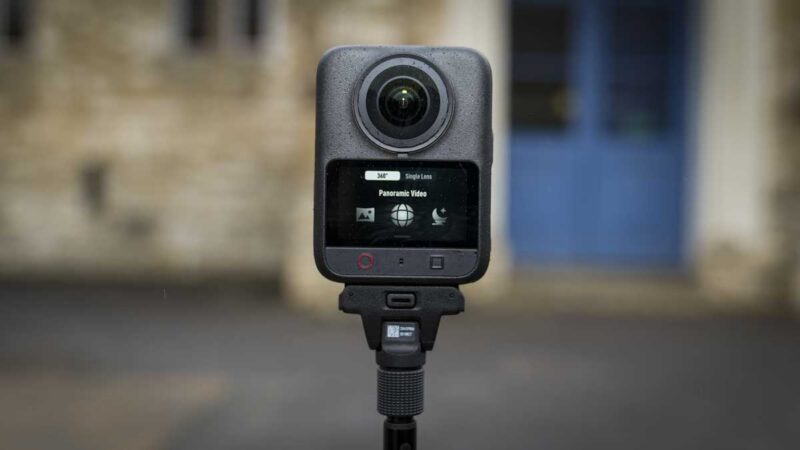
The GoPro Mission 1 Pro records 8K at 60 fps and 4K at 240 fps, with a maximum bitrate of 240 Mbps, and specifies a V30 or UHS-3 card as the minimum; A2 is recommended for best performance, so this card is a perfect fit based on those specifications.
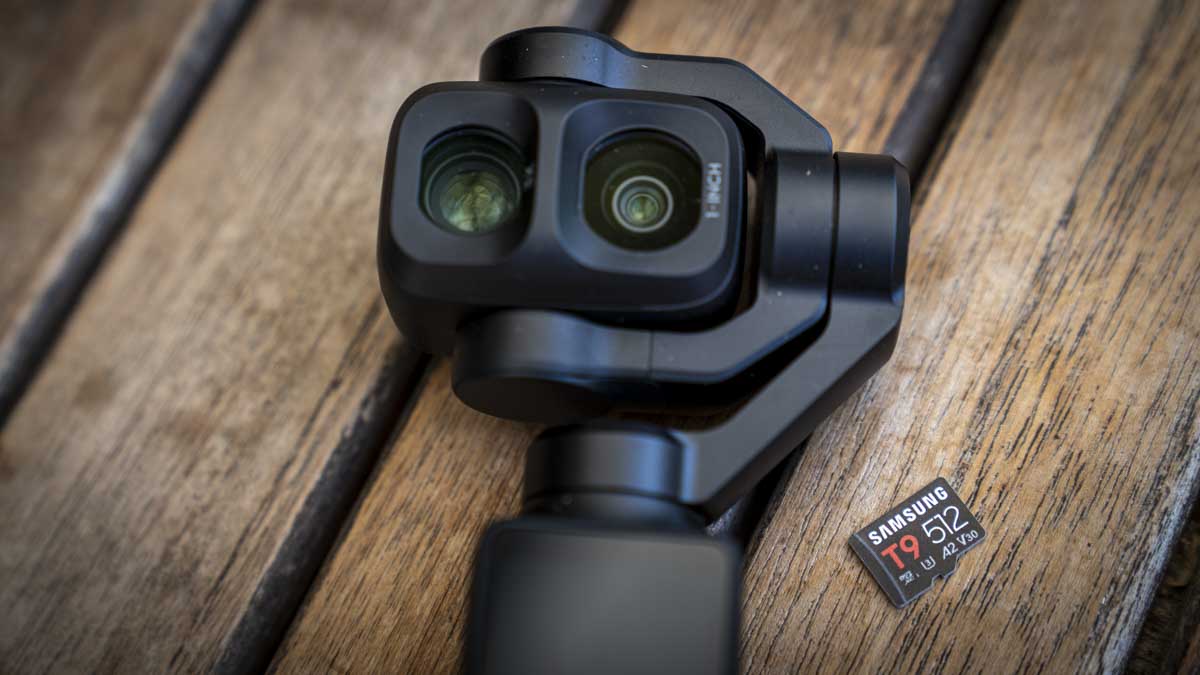
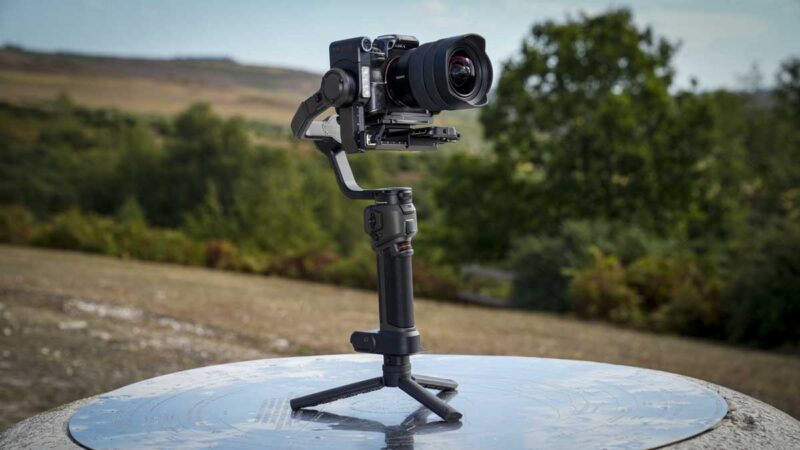
The DJI Osmo Pocket 4P, DJI’s dual-lens pocket gimbal camera, supports a maximum bitrate of 180 Mbps in MP4 HEVC, with 4K/240 fps slow motion on the wide lens and 4K/200 fps on the telephoto.
Samsung T9 microSD card
OK, so the maths here is a little confusing, as it looks like we’re trying to compare one thing with another.
Looking at the specifications for each and then converting those bitrates into something a little easier to understand should help. Actually, just converting the numbers so everything is consistent lets me draw a direct comparison.
The GoPro’s 240 Mbps is 30MB/s, exactly the V30 floor. The Pocket 4P’s 180 Mbps is 22.5MB/s. Measured against the T9’s slowest write of 49.81MB/s, that is 66% headroom over the GoPro at its most demanding and 121% over the Pocket 4P. Neither camera came close to breaking the card’s upper limit, and sure enough, through the test,t neither dropped a frame nor stopped recording. It’s worth noting that inside the Sony A7 IV, the camera instantly popped up with a warning about the card’s specification limits for some video settings; likewise, putting a lower-performance card into the two cameras also gets a warning. Here, with the T9, both cameras worked to their full potential.

Benchmark Results

Amorphous Disk Test: Read: 94.88MB/s, Write: 49.81MB/s
AJA System Test Lite: Read: 91MB/s, Write: 78MB/s
Blackmagic Disk Speed Test: Read: 89.2MB/s, Write: 166.0MB/s
Read results were consistent, varying by only 6.4% across three tools and averaging 91.7MB/s. That is 46% of the 200 MB/s claim and 88% of what the UHS-I interface can physically carry, so that limitation is with my standardised equipment.
This is the part worth understanding before buying any UHS-I card on a headline figure. The standard UHS-I bus tops out at 104 MB/s, and all three read results landed between 86% and 91% of that, which is impressive. Exceeding it requires a card-and-reader pair running in a proprietary mode outside the standard, which is precisely what Samsung’s own reader provides, and this is what I have seen in the past from most of the other manufacturers. In a normal card slot, you get around 90 MB/s, which is what I found in this test.
I confirmed that across two different readers. The Kingston Nucleum returned results in the same range as the MacBook Pro’s built-in SD slot with an adapter, and the MacBook Pro M1 Max slot is itself UHS-II-capable. A faster host makes no difference because the limit is set by the card’s own UHS-I interface rather than by the reader.
Write speeds require a little more care when examining the results. The three tools returned 49.81 MB/s, 78 MB/s, and 166.0 MB/s, a spread of 233%. That’s three tools measuring different things with different block sizes rather than the card behaving erratically.
The 166.0MB/s figure is a bit of an oddity, because it exceeds Samsung’s own claimed maximum of 130MB/s by 28%. I ran the tests several times. No card sustains a write above the manufacturer’s stated ceiling, so that number is almost certainly reporting a burst into cache rather than sustained throughput. The lowest figure is the one to plan around, and at 49.81MB/s it’s still 1.7 times the V30 guarantee.
On the transfer side, the roughly 90 MB/s read result is the limitation of the UHS-I interface, so if you regularly fill the card, expect a little time for all that data to download. I have looked for a dedicated Samsung card reader but haven’t found one yet.
After all the normal tests were out of the way, it was time to test the durability. Test one was to drop it from a window two stories up; this isn’t quite 5m, but close enough. The result once I’d located the card was that it worked fine. Although in future this will be the final test, as it took around half an hour to locate.

The next test was to drop it into a glass of water and leave it there for 30 minutes. After it was soaked, I left it out to dry before popping it into the GoPro to see if it was still recognised and all was good.

I then froze it, defrosted it, and left it to bake in direct sunlight. At each point after drying and returning to a decent temperature, I popped it into the camera, and it all worked absolutely fine.

Final Thoughts
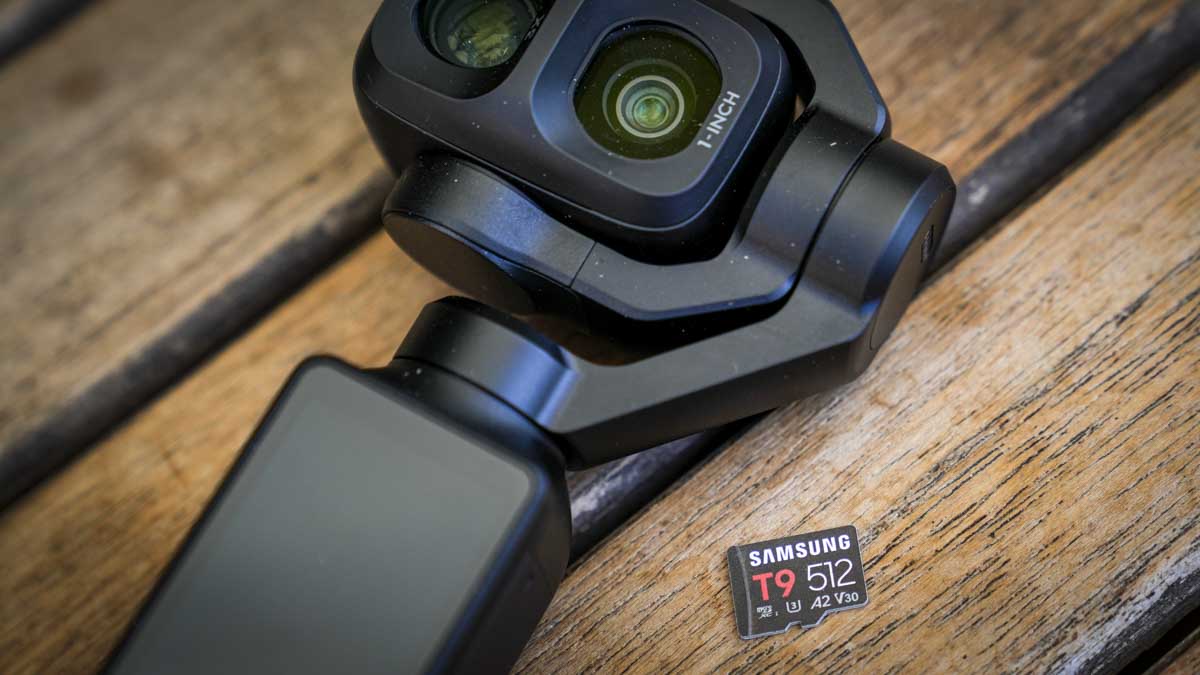
The Samsung T9 offers the right volume of capacity and speed if you’re looking for a creator-focused microSD card that does exactly what your GoPro Mission 1 Pro or DJI Osmo Pocket 4P needs, or, for that matter, your Nintendo Switch II.
Samsung T9 microSD card
The sustained write performance is well ahead of the V30 requirement, and throughout the test it kept up with everything those two cameras could throw at it. The durability specifications are excellent, as proven by the test, although I was unable to expose it to X-rays. It’s also good to see the A2 rating, which means if I ever do feel the need to buy a Nintendo Switch II, I’ll have a card primed and ready.
The 200MB/s on the packaging is the only thing to consider, since on a standard host you should expect around 90MB/s. If sequential speed genuinely matters to your workflow, UHS-II remains faster, and the T9 cannot compete on offload times. If what you need is a rugged card that handles 8K recording and survives being dropped in a river (Although if you do that, the card may survive but you’ll never find it), this is a very good one.

Should you buy the Samsung T9 microSD card?

Buy the T9 if you shoot 4K or 8K with an action or gimbal camera and want a card that survives the conditions those cameras endure. Look elsewhere if your priority is offload speed, where UHS-II hardware will roughly double what any UHS-I card can manage.
Buy it if
You shoot 4K or 8K
Your camera gets wet.
You run apps from storage.
Don’t buy it if
You need fast offloads.
You want a longer warranty.

How we tested
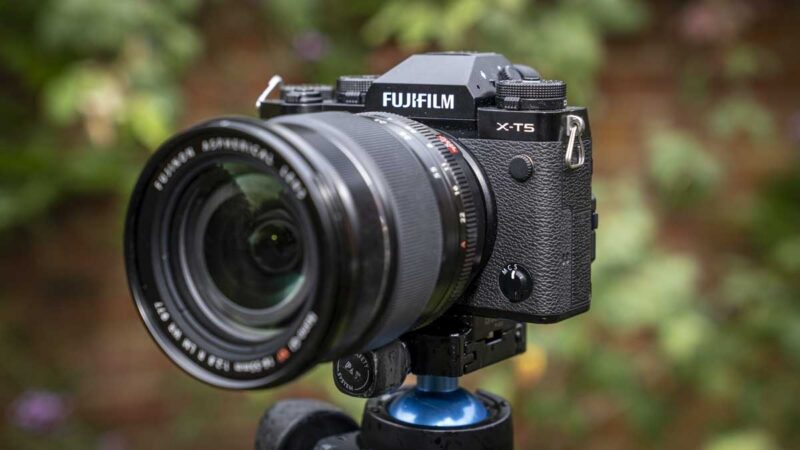
I tested the 512GB Samsung T9 over two weeks on the GoPro Mission 1 Pro and the DJI Osmo Pocket 4P, shooting at every quality setting both cameras offer, including 8K/60 and 4K/240 fps. Benchmarking was run on a MacBook Pro M1 Max using two routes: a Kingston Nucleum card reader and the supplied SD adapter inserted directly into the MacBook Pro’s SD slot. Amorphous Disk Test, AJA System Test Lite and Blackmagic Disk Speed Test were used throughout.
Samsung T9 microSD card

Samsung T9 microSD card FAQs

Is the Samsung T9 fast enough for 4K and 8K video?

Yes, comfortably. It kept up at every setting on both the GoPro Mission 1 Pro and the DJI Osmo Pocket 4P. The GoPro’s maximum bitrate of 240 Mbps requires 30 MB/s, and the T9’s slowest measured write was 49.81 MB/s, leaving around 66% headroom.

Why doesn’t the Samsung T9 reach 200MB/s?

Because the standard UHS-I interface tops out at around 104 MB/s, my readings averaged 91.7MB/s across two readers, which is 88% of that ceiling. Reaching 200MB/s requires a reader that supports Samsung’s proprietary mode, so on ordinary hardware, plan around 90MB/s.

What does the A2 rating on the Samsung T9 mean?

A2 describes random read and write performance rather than sequential speed. It matters when a device loads assets or runs applications directly from the card, such as a handheld console or a phone. For video recording, the V30 rating is the one that counts.

Is the Samsung T9 waterproof?

The card carries Samsung’s six-proof rating, covering water, temperature extremes, X-rays, magnetic fields, five-metre drops and 10,000 insertion cycles. Note that this protection applies to the card itself. No bundled SD adapter carries the same rating.