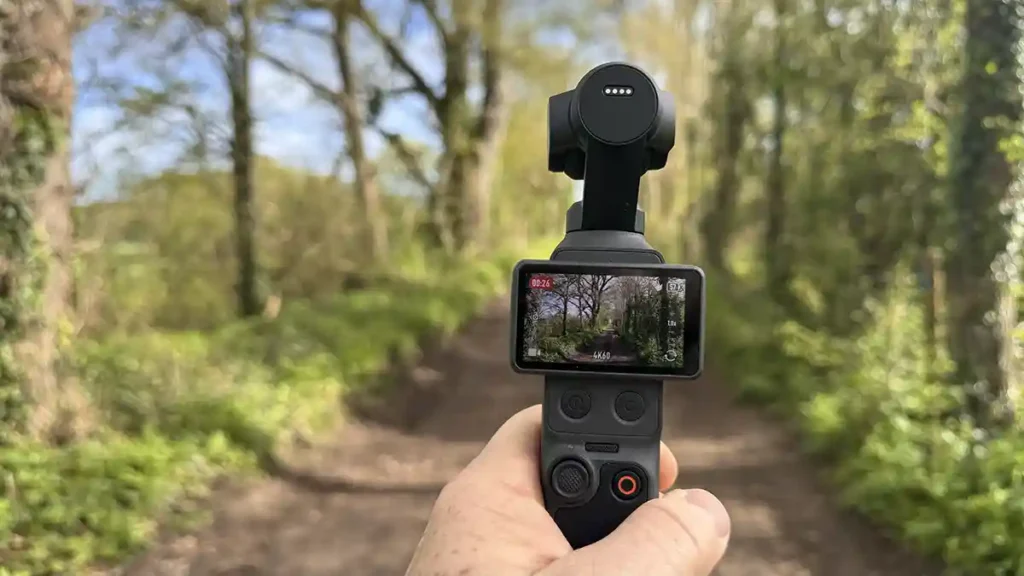
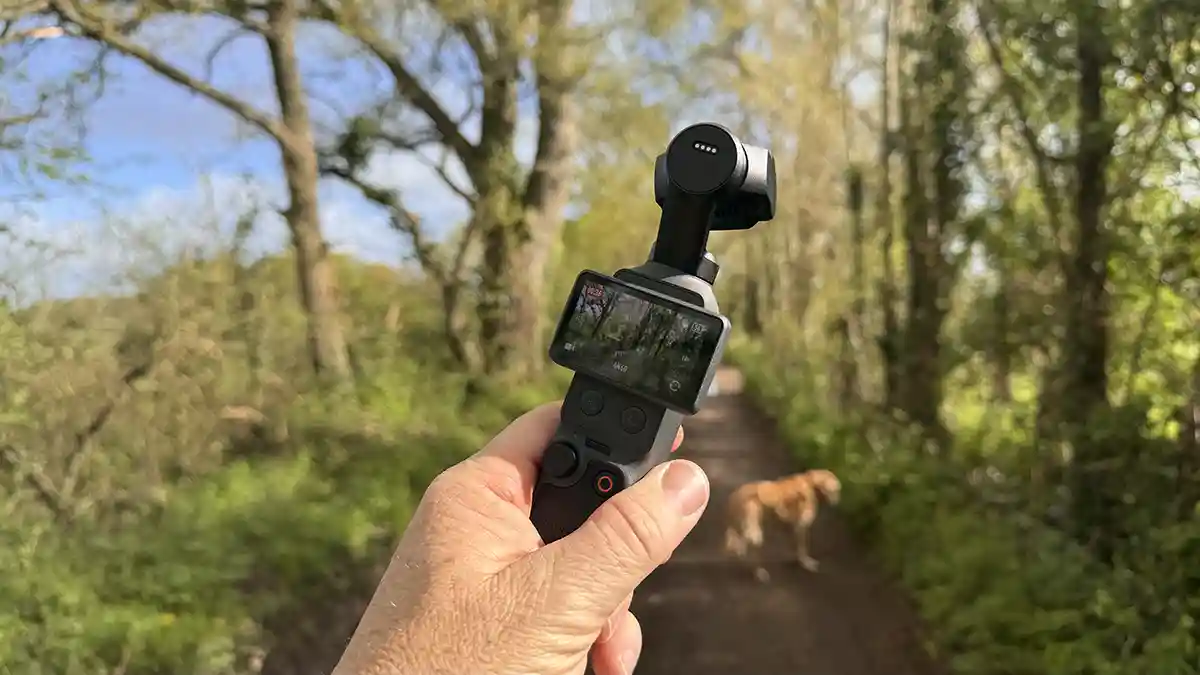
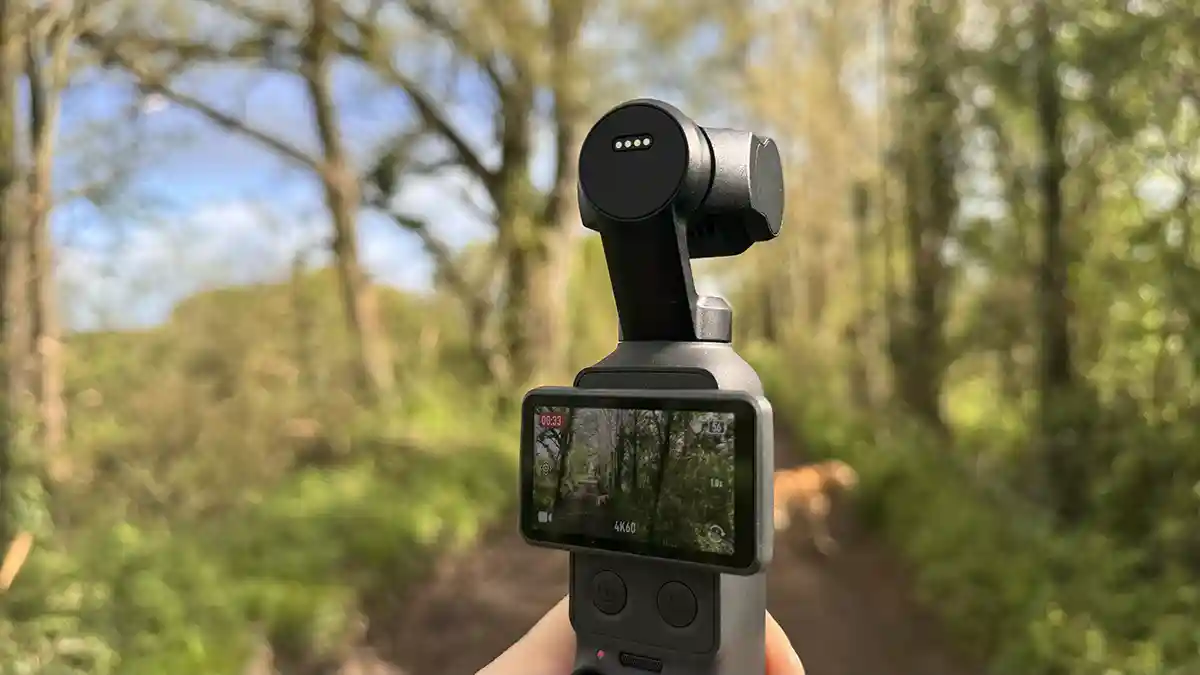
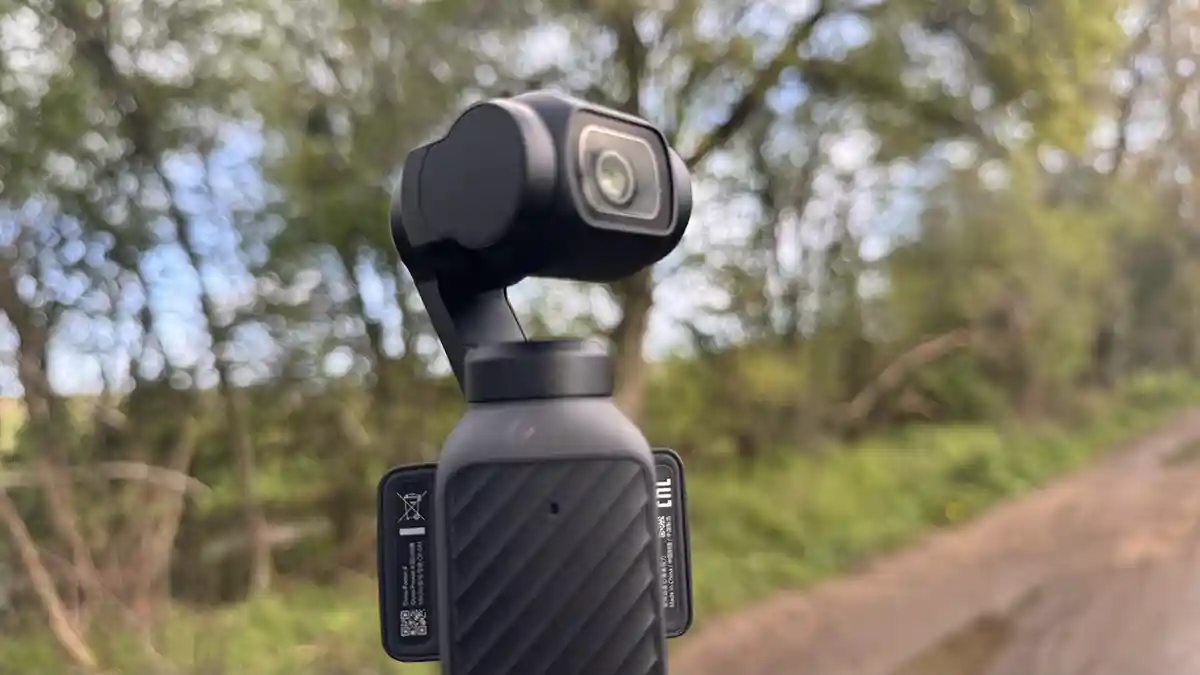
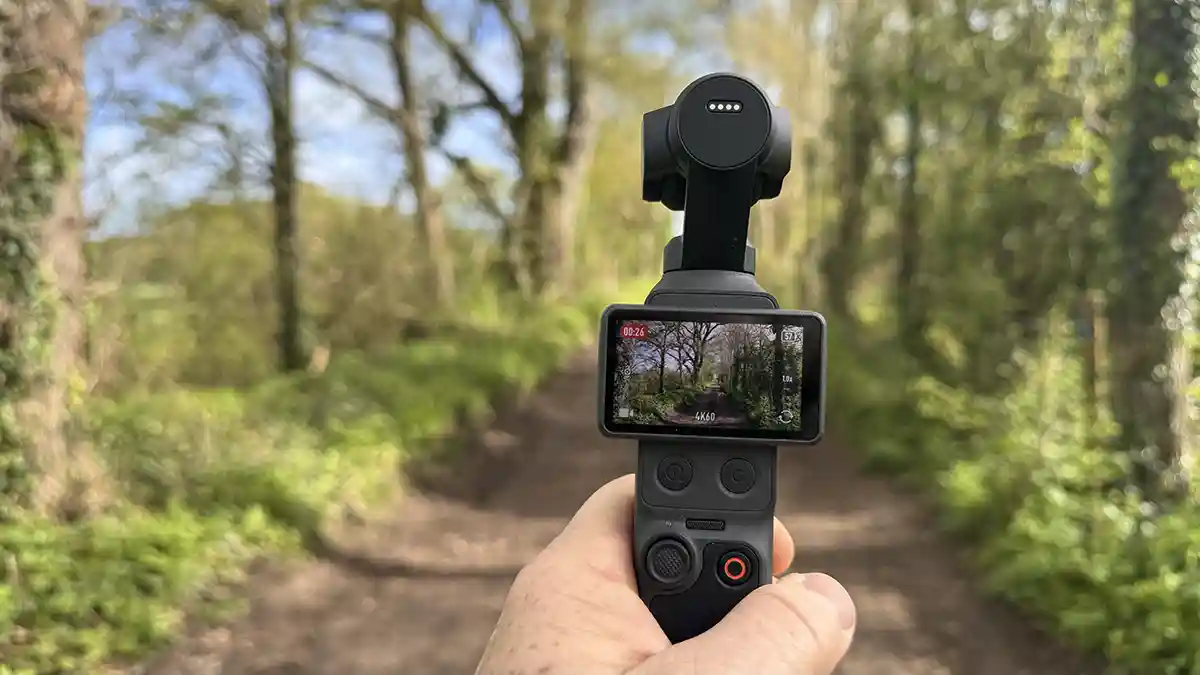
The headline hardware upgrade is the new 1-inch CMOS sensor with 14 stops of dynamic range, replacing the Pocket 3’s already decent sensor. Alongside this is 10-bit D-Log Pro, which enables the Pocket 4’s footage to be graded and matched alongside material from professional cameras in a way the Pocket 3’s HLG and D-Log M profiles did not fully allow. If you’re a videographer working with several different cameras, then being able to shoot in Log so you can match the footage is an essential feature.
One of the features that most interests me is the 4K/240fps slow motion; this takes a bit to locate as it’s not in the usual frame and resolution options. To find 4K/240fps is not straightforward from the camera’s own controls; it requires navigating through the Mimo app rather than being immediately accessible in-camera. In practice, the default slow motion mode drops to 1080p, which is where most users will end up unless you specifically seek out the 4K option in the app and switch.
Another nice addition is the built-in film tones, CC Film, NC Film, Pastel, Warm Tone, Movie, and Retro. These are new additions and may appeal to creators who want a finished look straight from the camera without having to edit excessively and grade.
CC Film and NC Film, in particular, produce a really nice cinematic result. I just wish there was also the ability to switch the aspect ratio to something like 21:9 to get the real cinematic look.
Essentially, shooting in one of the film tones does have its limitations; once you have shot in it, you cannot reverse it in post. If you’re confident in your aesthetic choices using one of these tones, then this ,ay, well be a useful creative shortcut. If you prefer flexibility, shooting flat and grading still remains a far better option.
Tracking is always a feature that amazes me with these gimbals and with DJI’s advancements with the Ronin Mini 4 last year, the new ActiveTrack 7.0 is where the Pocket 4 shows just how much this feature has progressed and if it’s a feature you use a lot on the Pocket 3, then I’d say this is the biggest reason that you would want to upgrade.
The new tracking features, Face Lock and Registered Subject Priority, enable you to pre-load specific faces and prioritise them in a crowd. This works incredibly well and reliably, enabling crowded shooting scenarios that would have traditionally been very tricky to film.
The new dynamic framing mode is another great feature, as, rather than locking the subject rigidly to the centre of frame, it allows them to move naturally within the composition based on the golden ratio, producing footage that feels organic and human rather than mechanically tracked. It is a subtle distinction with a significant impact on the quality of the final footage.
As I’m seeing with a growing number of products, gesture control enables you to interact with the camera without needing to push any buttons or access an app. A palm gesture, for instance, activates tracking, a V gesture will then start and stop recording, and this is all far more useful than it might initially sound.
For solo tripod shooting or presenting directly to the camera, the ability to trigger the camera remotely just makes life easier and again helps to cut down editing time.
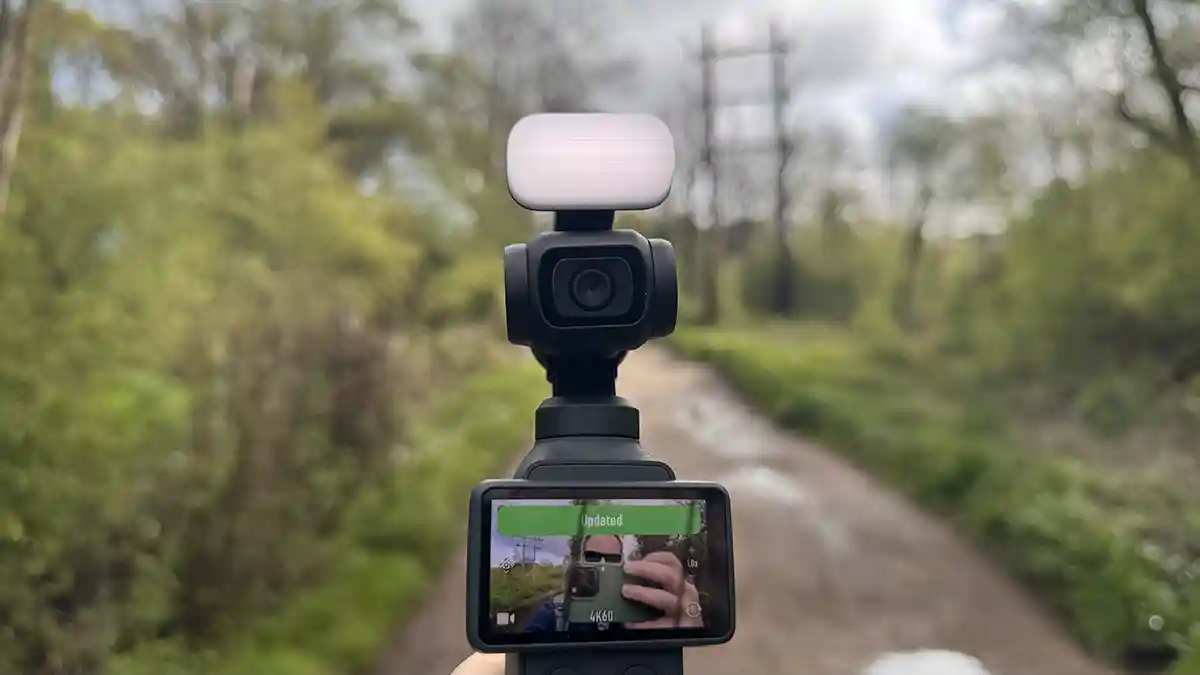
In the box alongside the Pocket 4 is a magnetic fill light, at least it’s included in the Creator Combo, and it clips cleanly to the gimbal head and moves in sync during tracking. The light offers three brightness and colour temperature levels and is most useful for close-range portrait and vlog work indoors or in dim conditions, while it’s bright enough for close-quarter work and distance, and the power will struggle.
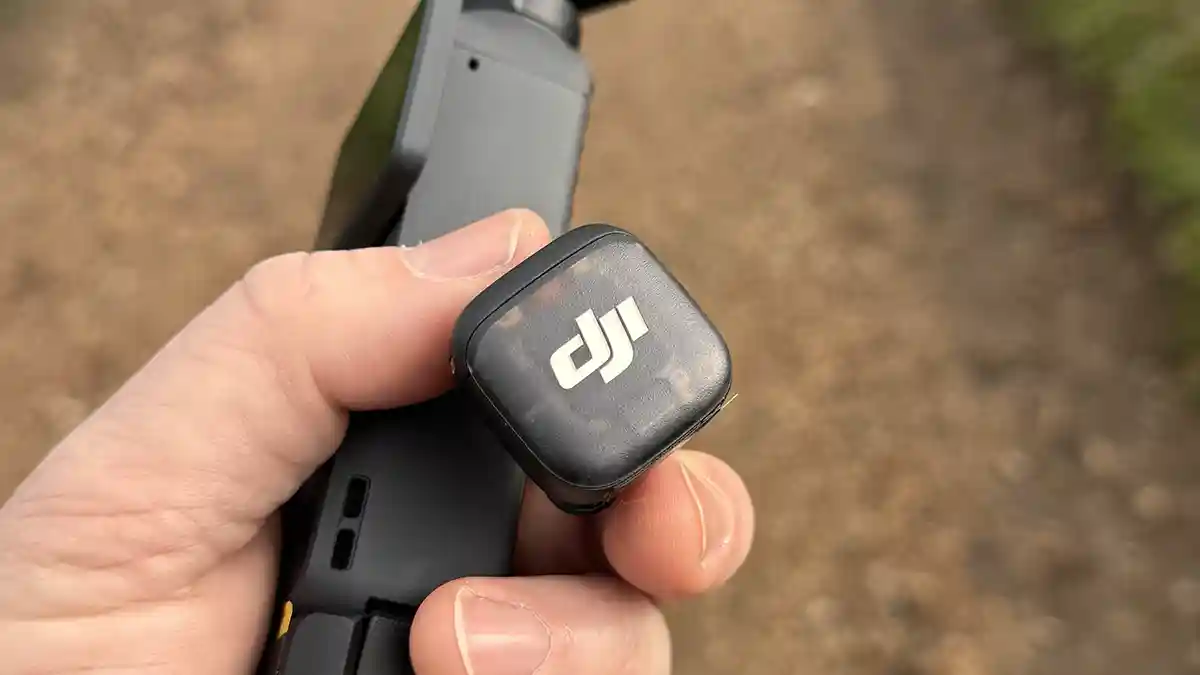
Audio pickup with this type of camera is essential, and here the DJI Mic 3 replaces the Mic 2 from the Pocket 3 Creator Combo, and whilst it is a capable, easy-to-use wireless microphone, as I noted in the review of the Mic 3, it’s no Mic 2 when it comes to groundbreaking quality and versatility.
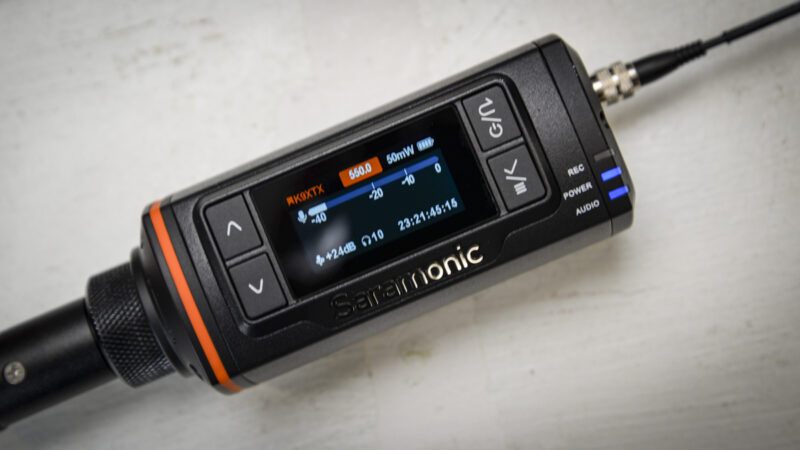
The Mic 2 could accept an external lavalier microphone via its 3.5mm input, enabling discreet recording without visible DJI branding. The Mic 3 doesn’t offer this option. For straightforward vlogging, it’s a great option, but for professional interview work or any situation where branding matters, the Pocket 3 Creator Combo’s Mic 2 remains the more flexible solution and is fully compatible.
Another point about the Audop is the four-channel audio output, which essentially combines two wireless mics with the camera’s onboard microphones. This is a pro-level feature for interview and two-person shooting, enabling clean vocal isolation with ambient sound captured separately.