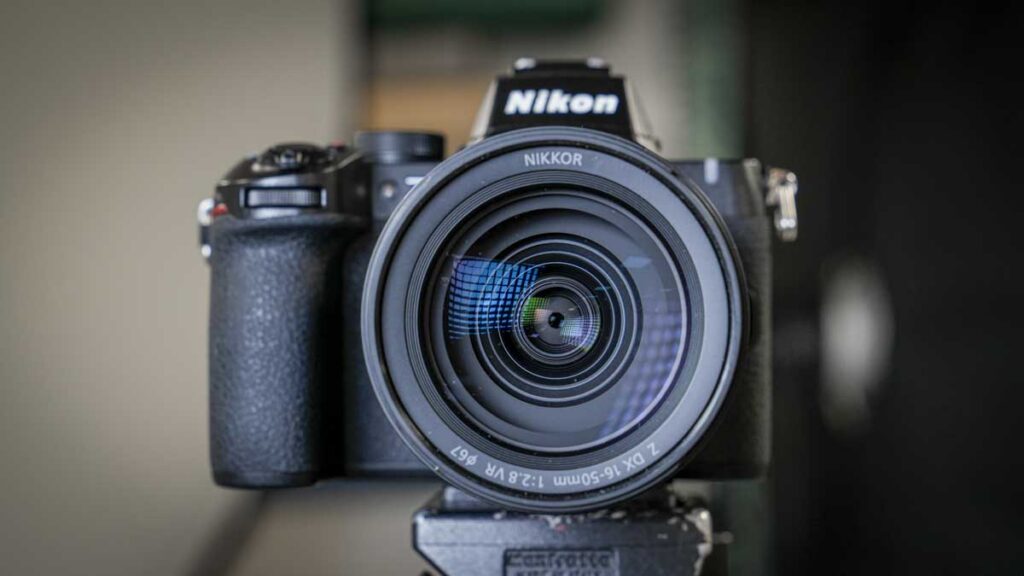

The Nikon Z50 II brings the EXPEED 7 processor from Nikon's professional flagship cameras into an affordable APS-C body, producing a camera that punches well above its price in speed and tracking.
Our Verdict
Nikon Z50 II Verdict
What is the Nikon Z50 II?
The Nikon Z50 II is an APS-C mirrorless camera positioned at the enthusiast and educational end of Nikon’s Z system lineup. Its defining characteristic is the inclusion of the EXPEED 7 image processor, the same engine that powers the professional Z8 and Z9 bodies. This processor handles not only image processing but also the camera’s autofocus algorithms, subject detection, and tracking performance.
Despite the lower-resolution sensor and more affordable body, the Z50 II benefits from the same processing intelligence as cameras costing significantly more.
It is aimed at photography students, enthusiasts making their first move into a serious mirrorless system, and educators who need a camera capable of teaching but accessible enough for beginners to learn on. The compact, lightweight body, fully articulated screen, and clear ergonomic layout make it straightforward to use from the first session.
Its unique selling point is the inclusion of the high-performance EXPEED 7 processor, which enables tracking and subject detection typically found only in professional cameras, now available in an APS-C body at this price.
Specifications
Sensor: 20.9MP APS-C CMOS
Processor: Nikon EXPEED 7
ISO range: 100–51,200 (expandable to 204,800)
Burst rate: Up to 11fps
Autofocus: Hybrid AF with subject detection
Video: 4K up to 60p
Screen: Fully articulated touchscreen
Weight: Approx. 550g (with battery and card)
Battery: Approx. 300 shots per charge
Mount: Nikon Z (APS-C)
Price: Approx. £900–£1,000 (body only)
Build and Handling
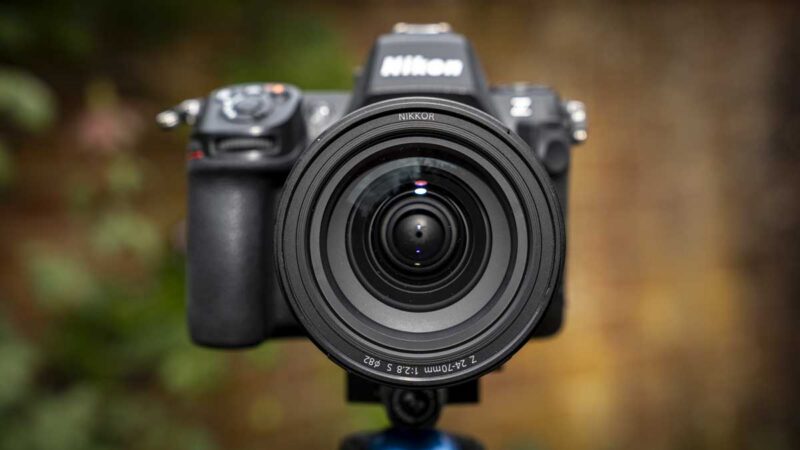
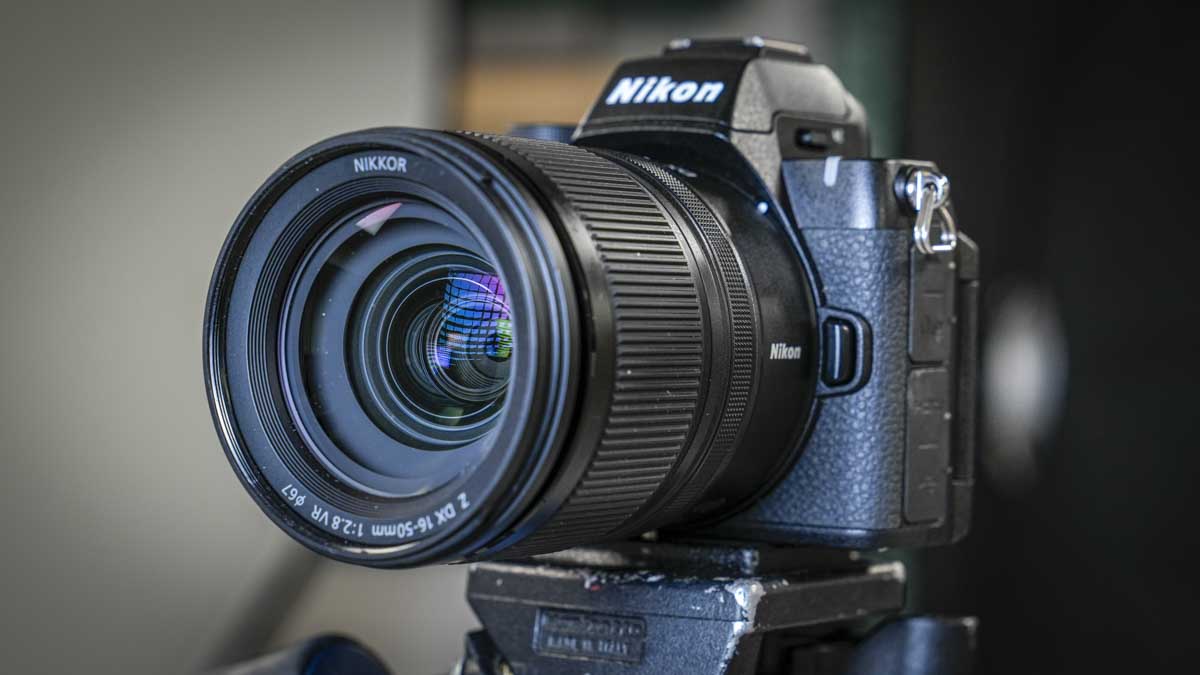
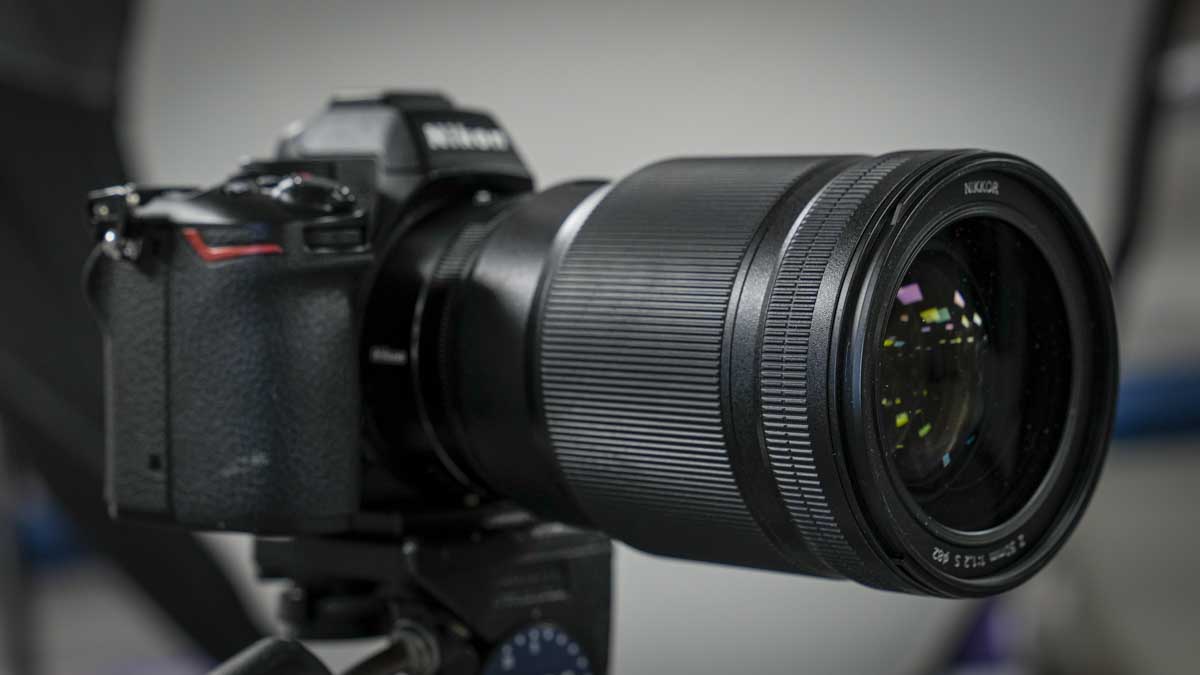
The Z50 II is a compact, lightweight body that belies its capabilities. At approximately 550g with battery and card, it is one of the lighter cameras in this test, and the build quality reflects Nikon’s long experience of making durable cameras for demanding use. The body feels solid and well finished, with an ergonomic design that places the most frequently used controls within natural reach. The deep grip is particularly notable for a camera of this size, providing a secure, comfortable hold even with larger Z-mount lenses attached.
The control layout has the clarity and logic that Nikon carries consistently across its range. The large exposure mode dial on the top, the trio of dedicated video record, ISO, and exposure compensation buttons near the shutter release, and the dual dials for exposure adjustment are all immediately accessible and intuitive for anyone familiar with Nikon’s design language.
For a student or beginning photographer encountering these controls for the first time, the layout makes the relationship between the settings and the image clear, supporting learning rather than frustrating it.
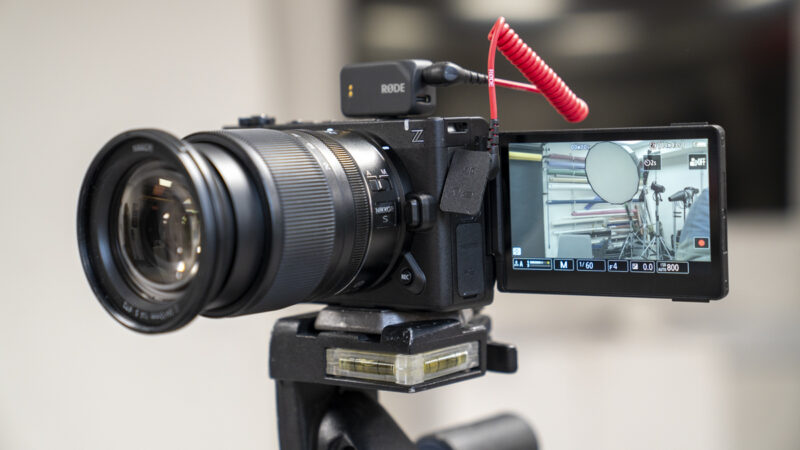
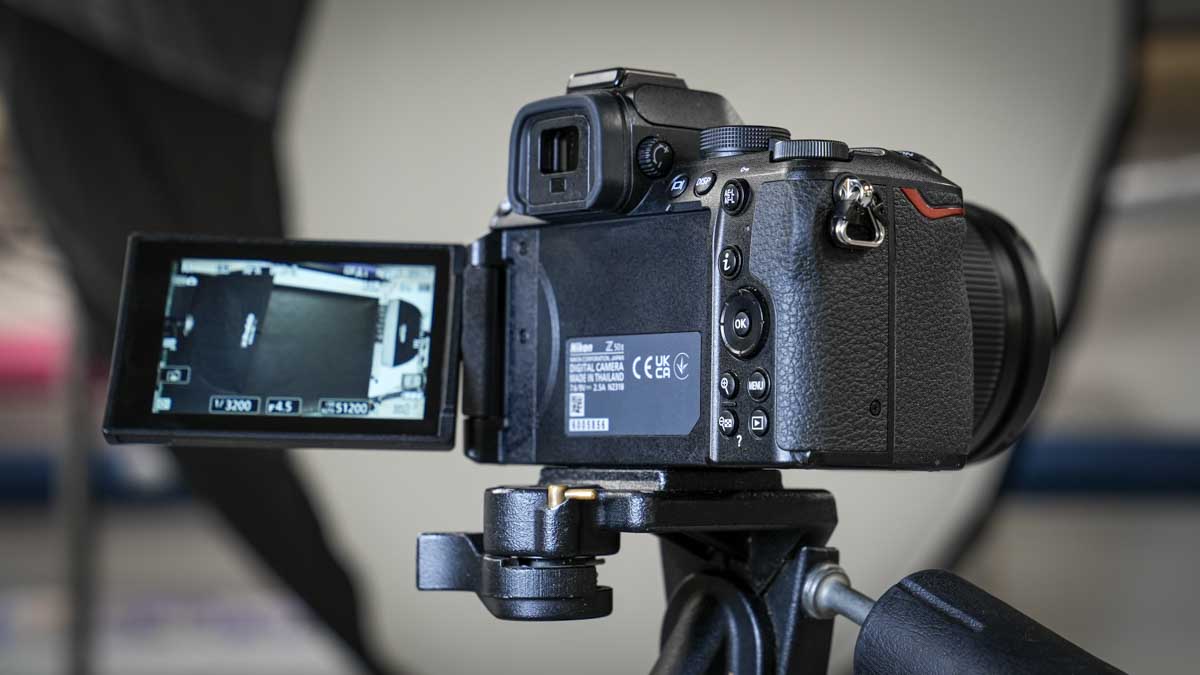
The fully articulated screen is a practical inclusion that enables composition from low angles, overhead positions, and portrait orientation with equal ease. The touchscreen response is accurate, and the screen itself is clear and readable in most lighting conditions.
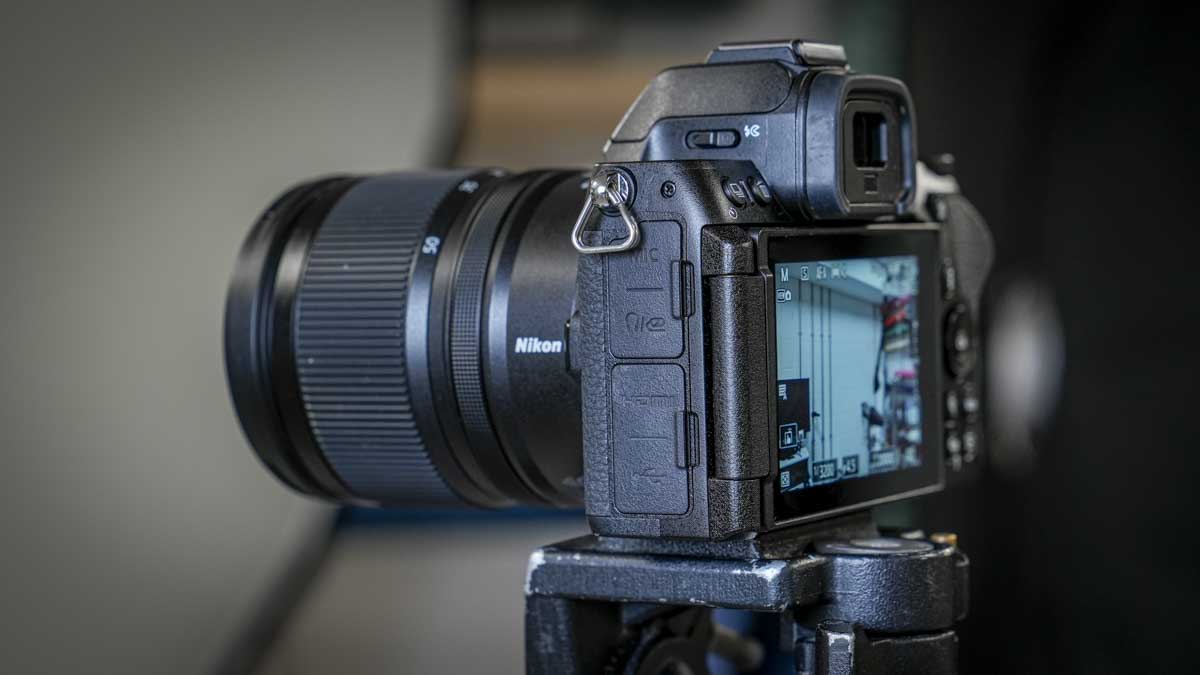
One ergonomic note worth flagging is that the SD card slot is located at the base of the camera, alongside the battery door, which means the camera must be removed from a tripod for card access. It is a minor inconvenience that crops up regularly in practice and is the one design decision that slightly undermines an otherwise well-considered layout.
Features
The EXPEED 7 processor is the feature that most distinguishes the Z50 II from cameras at a similar price point. In the Z8 and Z9, it drives Nikon’s professional-grade autofocus system, handling subject detection and tracking at speeds and with an accuracy that defines the current state of the art for wildlife and action photography. In the Z50 II, that same processing intelligence is available at a fraction of the cost, and the practical difference in tracking performance compared with cameras using older or less capable processors is immediately apparent in use.
Subject detection covers people, animals, birds, and vehicles, and the tracking AI identifies and locks on to subjects with speed and confidence, allowing you to concentrate on composition rather than focus management. Switching to AI tracking and pointing the camera at a fast-moving subject, the focus points acquire and follow with a fluidity that is genuinely impressive at this price point and well beyond what cameras at this level offered even a generation ago.
The 11 fps burst rate sustains continuous shooting, with the tracking AF maintaining subject acquisition throughout, delivering a hit rate for sharp, well-focused frames in fast-action situations that was consistently higher than expected for an APS-C camera at this price. Video capability at 4K 60p is strong and rounds out a feature set that makes the Z50 II a genuinely versatile tool for enthusiast and educational use across both stills and video disciplines.
Performance
In practical use, the Z50 II’s performance is the most striking of any camera in this test, given its price. The autofocus and subject tracking, driven by the EXPEED 7 processor, respond with speed and accuracy that are immediately noticeable compared with those of cameras using less capable processors.
Switching to AI tracking and following a Red Kite in flight, the focus points stayed locked through direction changes, partial obstruction by tree branches, and variable light, with a reliability that reflected professional-grade processing in a body costing a fraction of the price of professional-grade models.
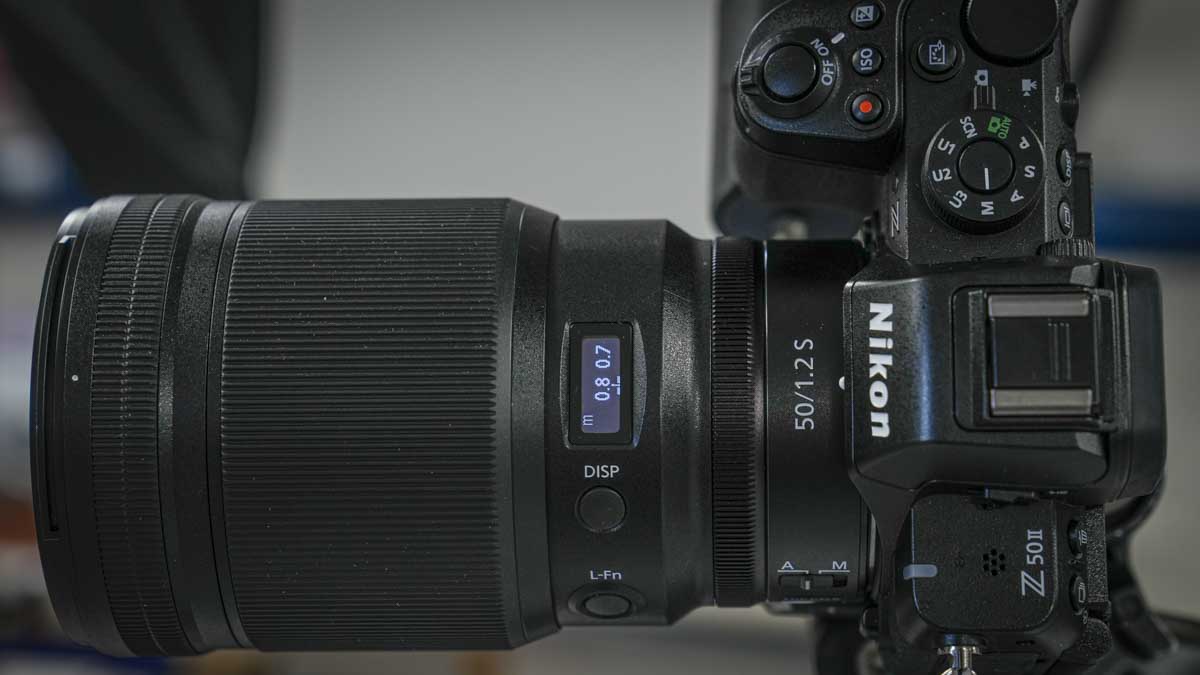
Image quality from the 20.9MP sensor is good rather than exceptional by the standards of the highest-resolution cameras in this test. The output is detailed enough for A3 print output at 47 x 31cm, which covers the vast majority of practical use cases for an enthusiast or student photographer.
Colour rendering has the characteristic Nikon quality: neutral and accurate. Images respond well to post-processing without requiring significant correction. Low-light performance is solid across the native ISO range, and usable detail is maintained at ISO values that earlier APS-C cameras would have found challenging.
For educational use specifically, the Z50 II’s combination of accessible ergonomics, fast and accurate autofocus, and clearly laid-out controls makes it an effective teaching tool. The speed and accuracy of the subject tracking removes one of the most common technical barriers for student photographers, allowing focus to shift to compositional and creative decisions rather than the mechanics of achieving a sharp image.
The fully articulated screen, 11fps burst rate, and broad ISO range all contribute to a camera that enables students to capture images successfully across a wide range of situations from early in their learning.
The 300-shot battery life is the most consistent practical limitation of the Z50 II and requires planning for full-day shooting or teaching sessions.
A second battery removes the concern entirely, and for most educational and enthusiast use, the battery life is adequate for a morning or afternoon of shooting. The SD card slot on the base is a minor but recurring inconvenience worth knowing about before purchase.
Final Thoughts
The Nikon Z50 II is my clear recommendation for students and enthusiasts buying their first serious mirrorless camera. The EXPEED 7 enables professional-level tracking and detection at a previously unreachable price, allowing beginners to get better images from their first session—exactly what a learning photographer needs.
The 20.9MP resolution is a practical limitation for large-format print, and the battery life requires management, but neither undermines the core value of the Z50 II as a teaching and learning tool. For educators, the camera’s speed, accuracy, and clear ergonomic layout make it easier to teach with than almost any other camera at this price. For enthusiasts who simply want a capable, fast, and enjoyable camera to shoot with, it delivers consistently and without complication.