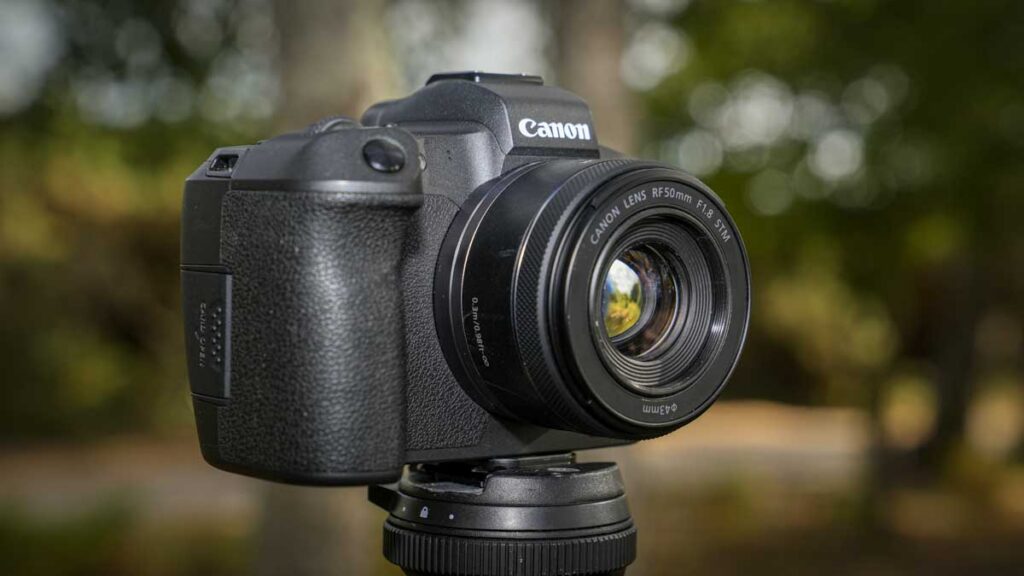

Eight years old and under £700 used, the camera that launched the RF mount is now a full-frame bargain, with conditions.
Our Verdict
The Canon EOS R is a better buy in 2026 than it was in 2018. The Canon EOS R was a first when it was announced, with its RF mount and the latest advances in imaging tech; however, back then, it was expensive. So is it now a better buy in 2026 than it was in 2018? I’ve just checked the latest second-hand prices on MPB.com, and they tend to range from £594 to £674, making an eight-year-old flagship experiment the cheapest sensible route into full-frame RF photography. The 30.3MP files are still excellent, and the -6EV autofocus still locks in near darkness. There are, of course, features that are starting to show the body’s age, such as speed, stabilisation, a second card slot, and the video is dated. If you’re looking for a solid full-frame camera for stills work, then it more than delivers, despite some control quirks; buy it for action or video, and a more up-to-date model will be a better consideration.
What is the Canon EOS R?
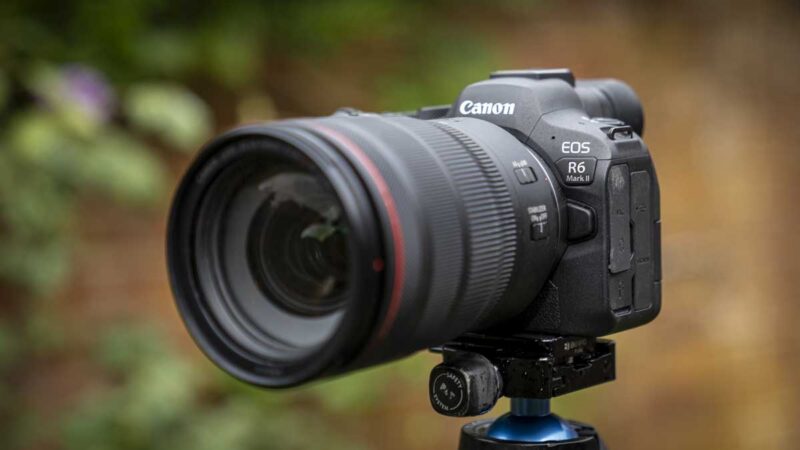
The EOS R is Canon’s first full-frame mirrorless camera, launched on 18 September 2018 at £2,349, some eight years ago. With plenty of bodies available on the second-hand market, I thought this Canon full-frame camera was well worth a revisit. This is the camera that introduced the RF mount to the EOS lineup and finally led Canon to take the mirrorless format seriously. The RF lens mount also quickly replaced the EF, which had been Canon’s major mount since its launch in 1987. I will say that while the EOS R was groundbreaking when it was launched, eight years is a generation in camera technology, and the body has now been discontinued, replaced officially by the EOS R8, and sells used for £594 to £674.
That history matters to a used buyer more than nostalgia does. A 2018 body with the RF mount gives you access to Canon’s entire 2026 lens catalogue, plus decades of used EF glass through the mount adapter. My review body came on loan from MPB, which is exactly where you’d buy one today, and pairing it with a couple of used EF lenses makes for one of the cheapest capable full-frame kits currently available.
I will highlight that this is a stills-first camera, and while it shoots 4K video, it works as a secondary camera; I remember that was even the case at launch. In 2026, the buyer is still the same person it was when it launched, just spending a third of the money, making this a perfect option for any enthusiast stepping up to full-frame or Mirrorless from an older EOS DSLR and not wanting to spend a fortune on one of the latest models.
Canon EOS R specifications
Sensor: 30.3MP full-frame CMOS (36 x 24mm)
Processor: DIGIC 8
Lens mount: Canon RF (EF/EF-S via adapter)
ISO: 100-40,000 (exp. 50-102,400)
Autofocus: Dual Pixel CMOS AF, 5,655 positions, -6EV
Burst: 8fps one-shot / 5fps Servo AF / 3fps tracking priority
Buffer: Approx. 47 RAW / 100 JPEG
Video: UHD 4K 30p (1.7x crop), 8-bit internal, 10-bit 4:2:2 HDMI, Canon Log
Viewfinder: 3.69m-dot OLED
Screen: 3.15in vari-angle touchscreen, 2.1m dots
Storage: 1x SD (UHS-II)
Battery: LP-E6N, 370 shots (CIPA)
Weight: 580g body only
Dimensions: 135.8 x 98.3 x 84.4mm
Launch price: £2,349 (September 2018)
Used price: £594-£674 (MPB, 12-month warranty)
Processor: DIGIC 8
Lens mount: Canon RF (EF/EF-S via adapter)
ISO: 100-40,000 (exp. 50-102,400)
Autofocus: Dual Pixel CMOS AF, 5,655 positions, -6EV
Burst: 8fps one-shot / 5fps Servo AF / 3fps tracking priority
Buffer: Approx. 47 RAW / 100 JPEG
Video: UHD 4K 30p (1.7x crop), 8-bit internal, 10-bit 4:2:2 HDMI, Canon Log
Viewfinder: 3.69m-dot OLED
Screen: 3.15in vari-angle touchscreen, 2.1m dots
Storage: 1x SD (UHS-II)
Battery: LP-E6N, 370 shots (CIPA)
Weight: 580g body only
Dimensions: 135.8 x 98.3 x 84.4mm
Launch price: £2,349 (September 2018)
Used price: £594-£674 (MPB, 12-month warranty)
How does the Canon EOS R handle?
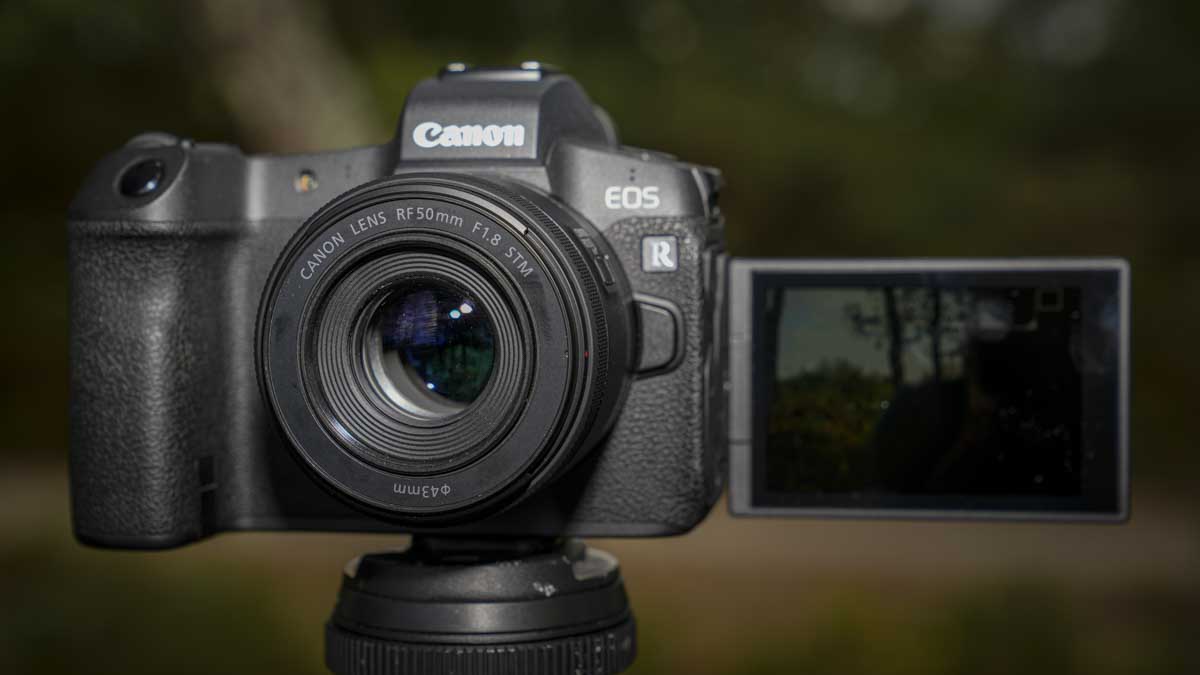
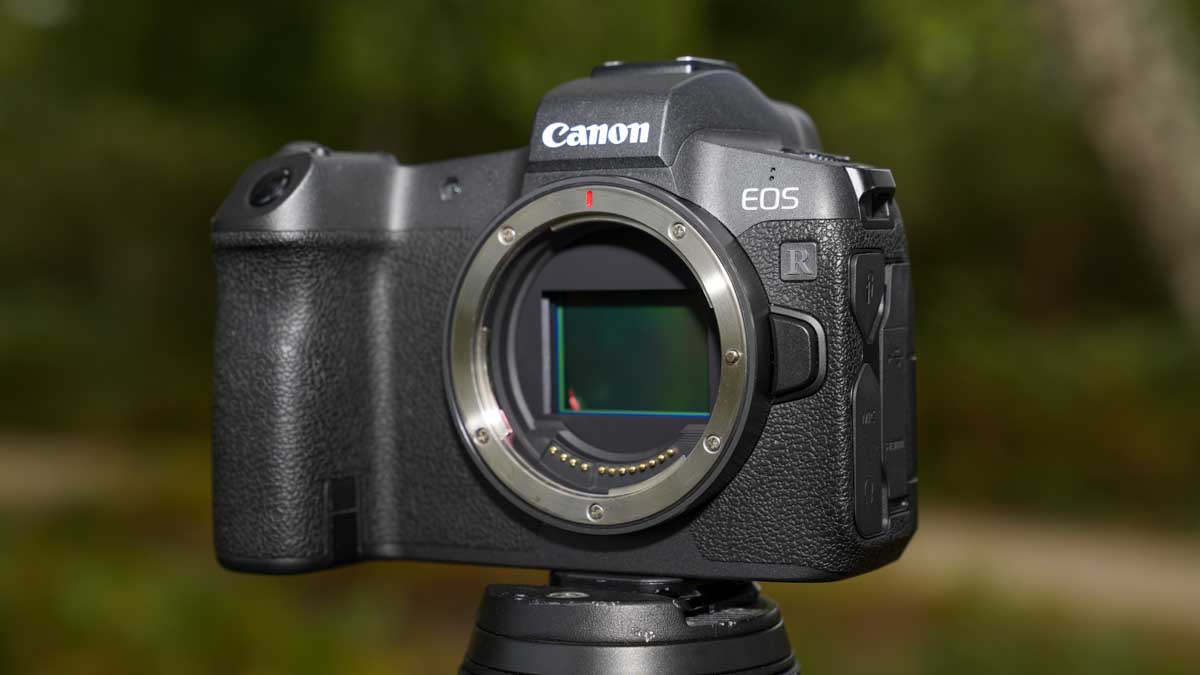
Picking up the EOS R again after what has been quite a few years, and I’m suprised by just how good it feels in the hand, although instantly I remembered the one issue that has now become somewhat infamous about the handling, which I’ll come on to in a minute. Starting with the magnesium-alloy body, which is weather-resistant, Canon invested in the switch to mirrorless while retaining a very DSLR-style grip, and this is still one of the most comfortable in the mirrorless market. Then, there’s the fact that this body comes in at just 580g, which feels so much lighter than my EOS R5 C, although for obvious reasons. The controls of this camera will feel familiar to anyone who’s held a Canon in the last twenty years, with that one exception, which is the touch bar. I’ll tell you a little more about this before you decide to buy, as for many, this can be the stumbling block to what is otherwise a near-perfect design.
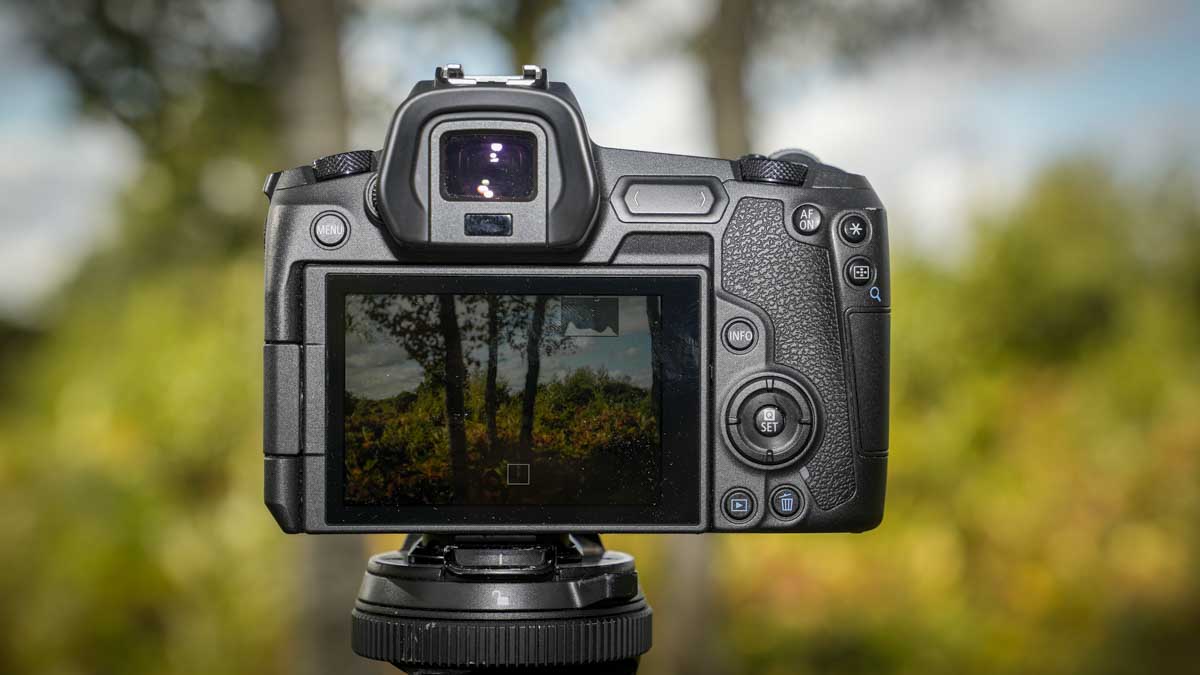
The touch bar is also known as the multi-function touch bar, and it sits just above where you’d expect a joystick on more up-to-date models. This bar is a touch-sensitive strip that you can assign to ISO or white balance, and, as I found in my initial hands-on experience, it never becomes instinctive. Our original review gave it a proper trial at launch and concluded that the novelty wore off quickly, with a preference for a joystick and a mode dial. Eight years later, I configured it, used it for a day, and reached the same verdict: it’s a nice concept, but with no analogue or haptic feedback, it just feels odd. Thankfully, Canon dropped it from all later bodies; however, a part of me still likes that they’ve innovated for once and haven’t just left this style feature to the likes of OM or Sony.
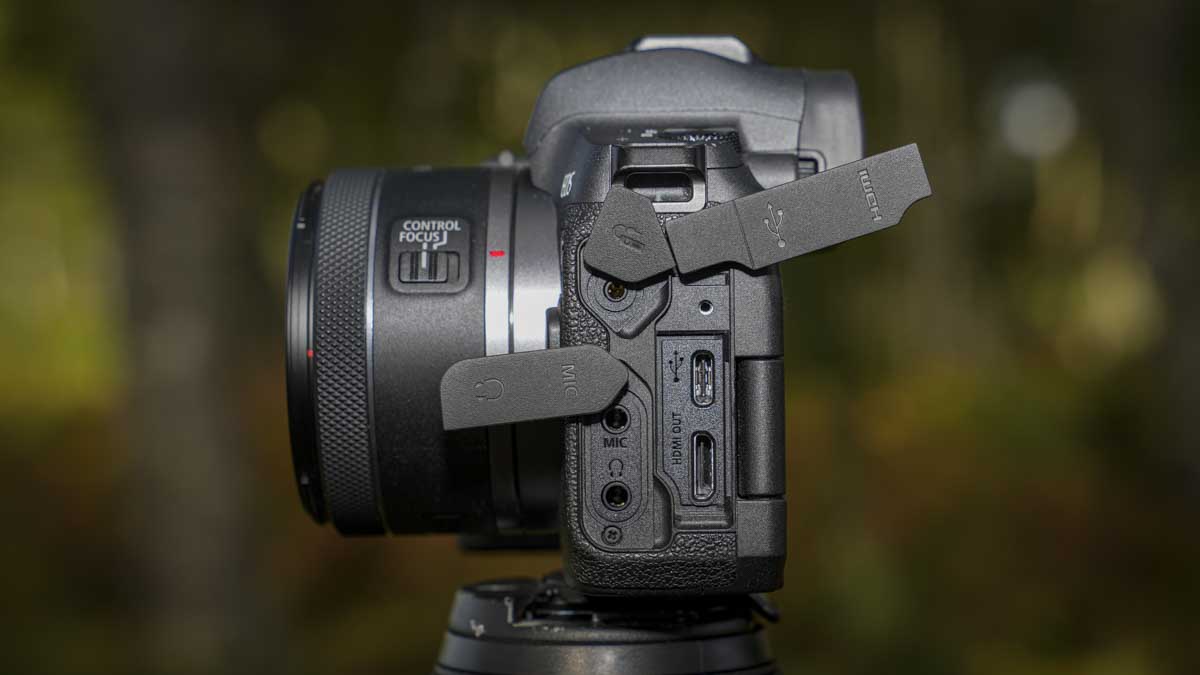
The touch bar wasn’t the only issue, as the mode control has a quirk worth knowing about as well. There’s no PASM dial; you press a Mode button and turn the top dial to cycle exposure modes. Having owned a 1D and a 1DS, I found this nothing new, but for the intended enthusiast market, it may have taken things a little too far. Our original reviewer noted that the sample arrived in video mode, and it took a hunt to find that the Info button switches back to stills. Once you know, it’s easy. A physical switch, as we’ve seen Canon include in later models, would have made it obvious.
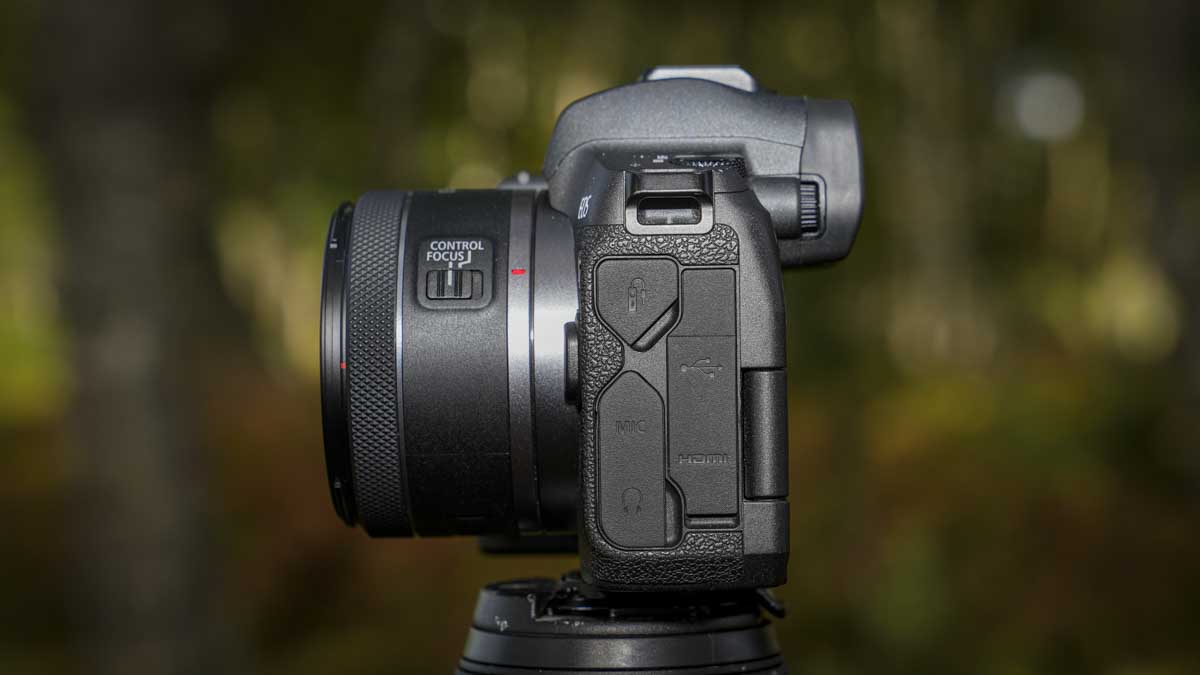
Aside from that, everything else has aged well, including the 3.69m-dot viewfinder, which matches the original R6’s and is still bright and detailed. The vari-angle touchscreen flips out for low angles; I used it constantly for ground-level work during this test. The illuminated top plate shows your settings at a glance, a feature Canon has since deleted from this class, and I’d forgotten how much I like it. Touch-and-drag AF, moving the focus point with your thumb on the screen while your eye is in the viewfinder, still works beautifully and partly excuses the missing joystick. The LP-E6N battery is still the current choice across Canon’s mid-range, and there’s a good selection of third-party alternatives from manufacturers like https://www.hahnel.ie/
What features does the Canon EOS R have?
This really was the model that showed Canon had properly entered the mirrorless market, and with that entry, the company sought to demonstrate innovation and flagship features that, at the time, we were more used to seeing in pro-level bodies. The autofocus market: one of the features that’s aged worst is the video, and the video is slightly lacking even when compared with the likes of the entry-level Canon EOS R50 V. The AF really is impressive with Dual Pixel CMOS AF that gives you 5,655 selectable positions across most of the frame, face detection, touch-to-focus and sensitivity to -6EV. Shooting in genuinely low light conditions during this test, it was able to lock focus in light that my eyes struggled with.
What’s missing is intelligence, especially when you compare it to even the entry models. Pick up the Nikon Z50 II or Canon EOS R50, and despite their entry-level status, their AF is in another league. There’s no animal, bird or vehicle detection, only faces, because deep-learning and AI really weren’t a thing, at the time, eight years ago, deep-learning subject detection arrived with the R5/R6 in 2020. Eye AF exists but only in single-shot mode, not continuous, which our original review summed up as close but no cigar. Static and slow subjects are no problem. Fast, erratic ones are, and taking into consideration that there have been a fair few firmware updates, so performance has improved, it’s still a little dated. I’ll put numbers on that in the performance section.
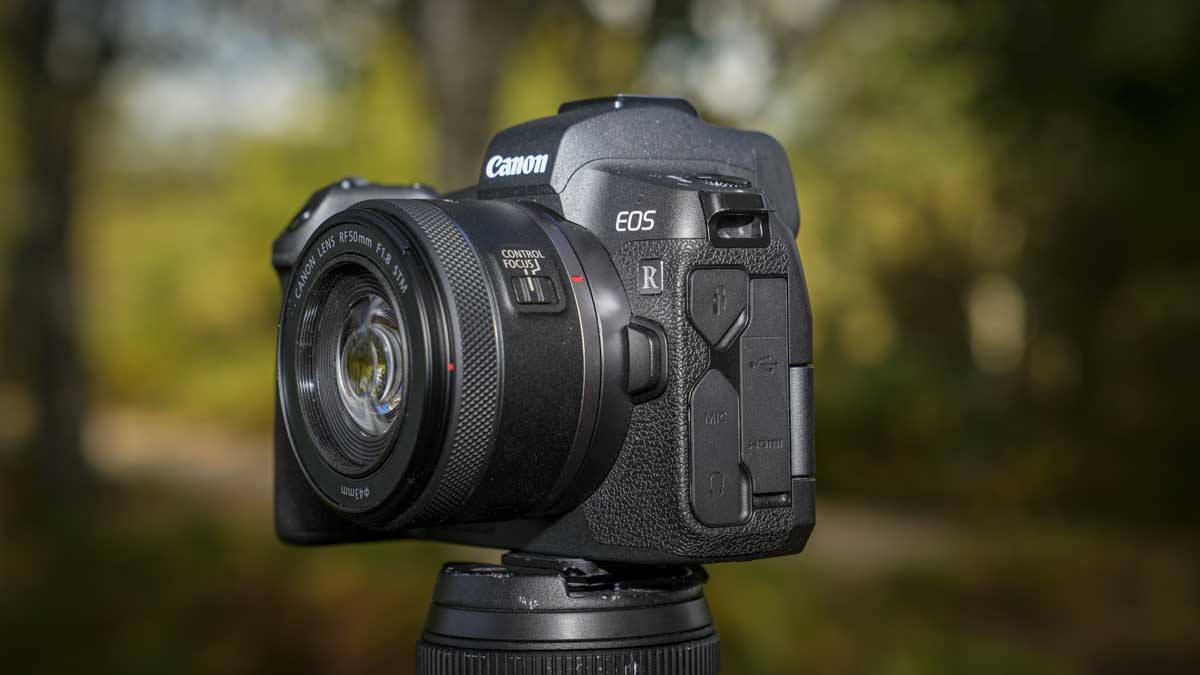
The video again really highlights the camera’s age. 4K tops out at 30p with a heavy 1.7x crop that really negates the fact that you have spent all this money on a full frame and decent lenses. Internal recording is 8-bit, clips stop at 29 minutes 59 seconds, and 120fps slow motion is HD only, although that is still handy. The 10-bit 4:2:2 HDMI output with Canon Log provides 12 stops of dynamic range to an external recorder, which was standard in 2018, but now? In 2026, buy something else for video. The useful extras: silent electronic shutter, 4K time-lapse, in-camera RAW processing, and Wi-Fi with Bluetooth that still works happily with Canon’s current app.
How good is the Canon EOS R’s image quality?
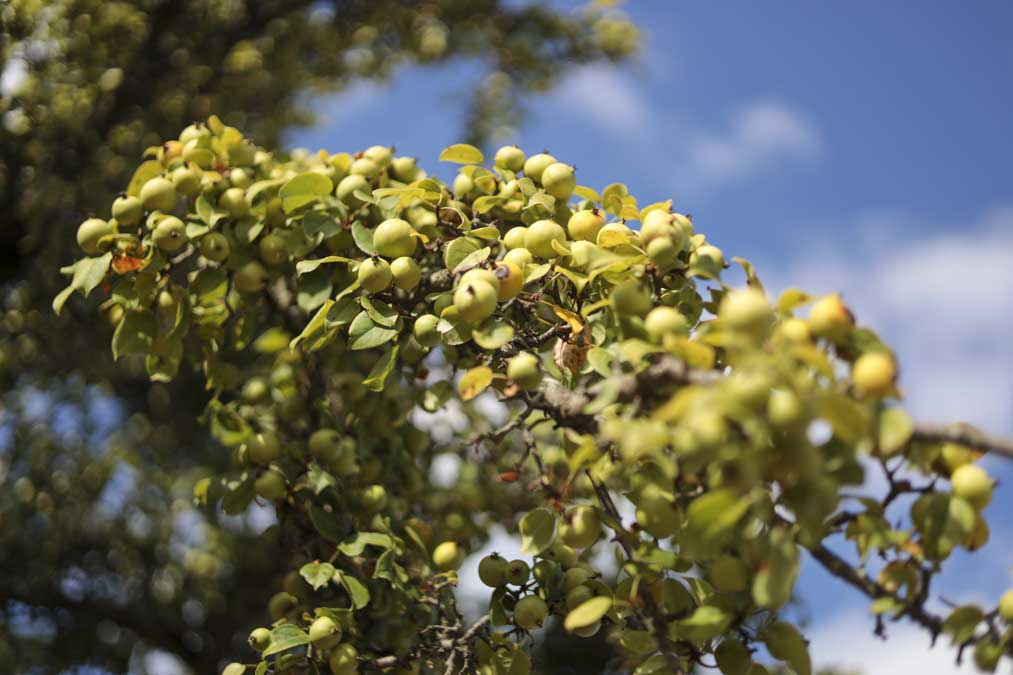
While video may be out the window, just go for the Canon EOS R50V if you want something cheap and excellent. There is a reason to buy a Canon EOS R now. The 30.3MP sensor out-resolves the 24MP chips in the EOS R8 and R6 II that sit above it in Canon’s current range, and the files carry the colour Canon is known for straight out of the camera. Sensor progress since 2018 has been significant, but really, that has been for the enhancement of video rather than stills. When it comes to sensor quality, those images are still spectacular, and the real-world improvements with the newer cameras are actually smaller than the spec sheet suggests.
In our original review, we put a few numbers on the sensor at launch, and they’re a useful baseline for the retest, for example, noise only appears at the pixel level from around ISO 1600. ISO 12,800 is surprisingly well controlled with a fine, uniform grain in the raw files, so perfect for gigs, events and low light photography. ISO 40,000 is there as an option but best avoided if you want usable images. Low-ISO shadows take a 4EV lift and stay usable, which is why the underexpose-and-recover landscape workflow suits this camera so well.
Two points to note from the first look at this camera is that the Evaluative metering: it runs bright on sunlit scenes, so knocking off 1/3EV of exposure compensation deepens saturation and improves most landscapes.
And adapted EF glass isn’t quite issue-free: our original testing found the EF 70-200mm f/2.8L IS II lost a little of its usual punch through the adapter, with the native RF 24-105mm f/4L was noticeably sharper. EF lenses work, and work well, but the native glass from the new RF range is well ahead when it comes to quality.
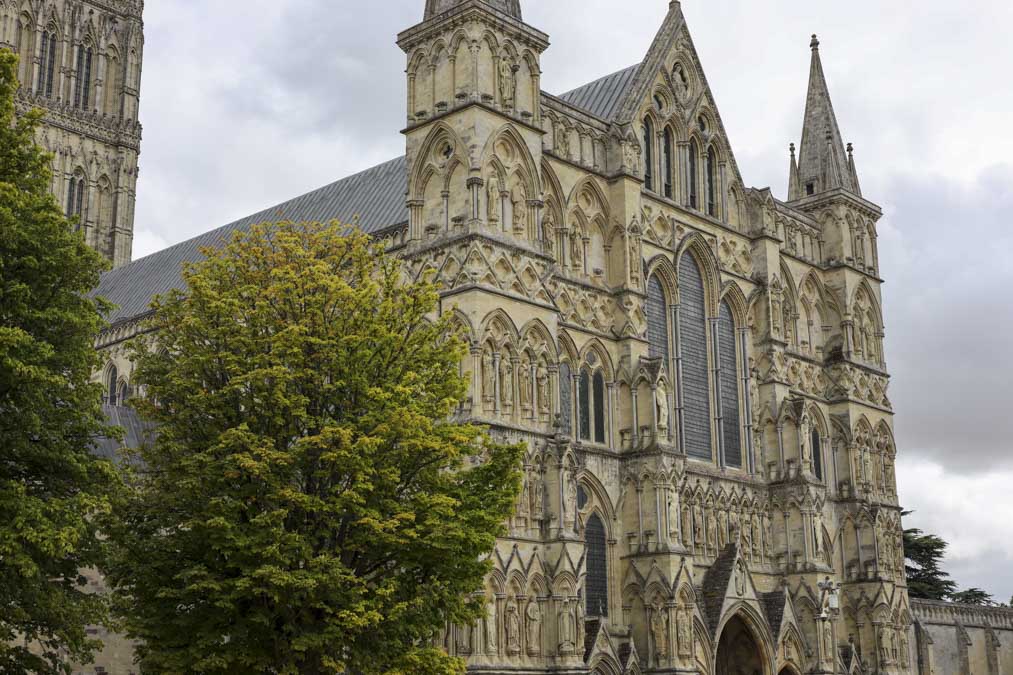
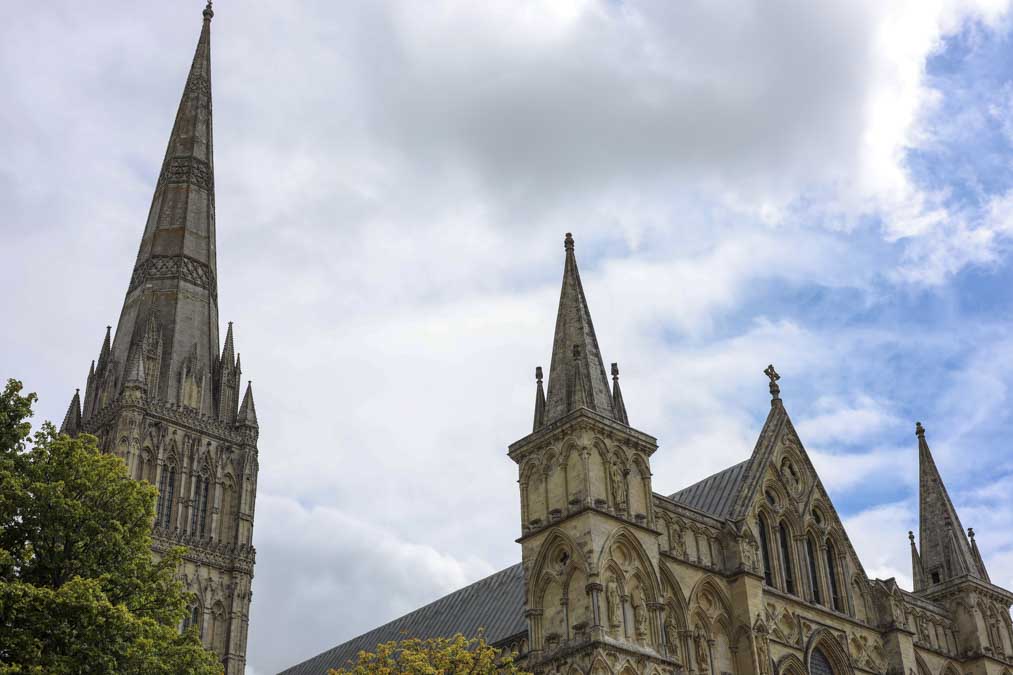
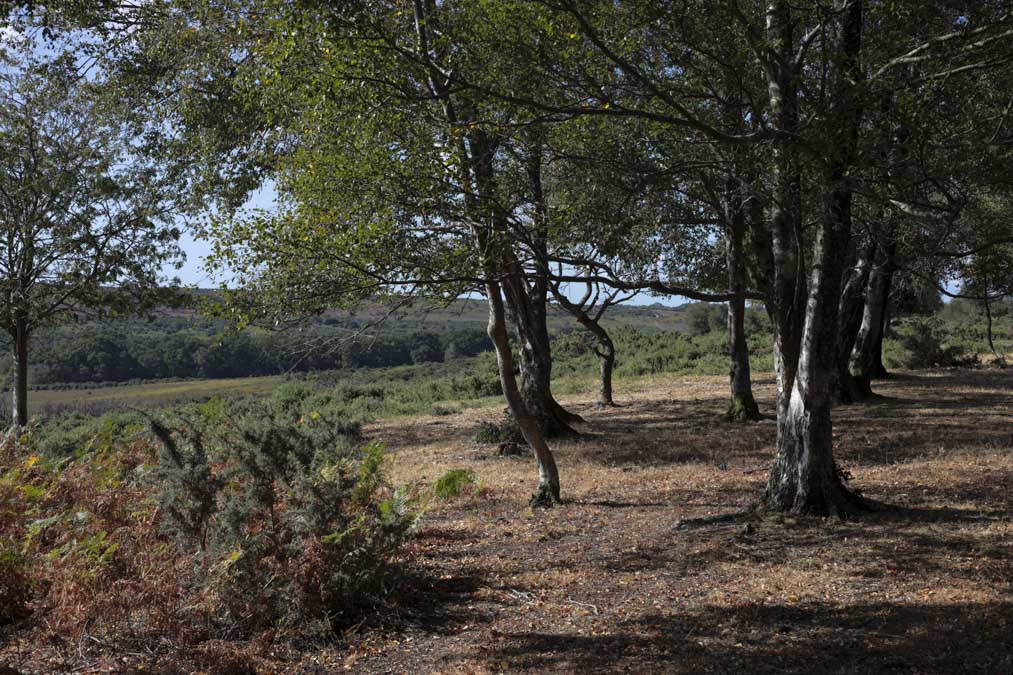
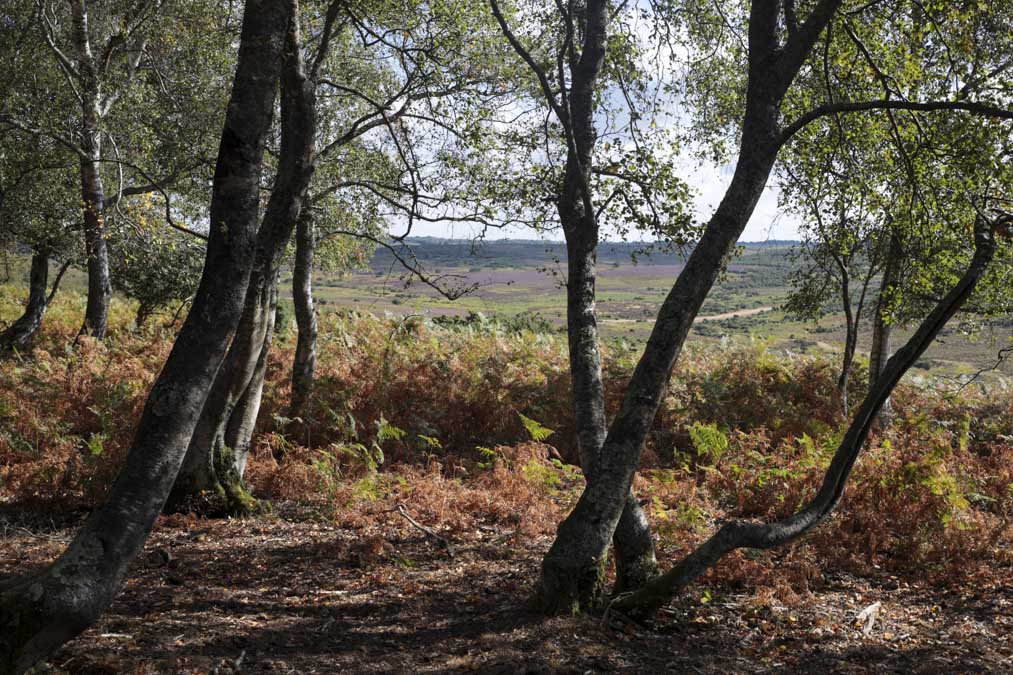
Shooting landscapes into harsh mixed light through this retest, the base-ISO dynamic range gave plenty of shadow recovery to work with in post, exactly as it did eight years ago.




How does the Canon EOS R perform?
It’s great to have this camera back in my hand, and I can remember when testing the drop-in filters a few years ago, just how much I liked it. However, even then, that touchbar was an issue, and in the end, I stuck with what I had at the time and have since invested in the Canon EOS R5C. However, out taking a few shots locally, I found that the performance was still exceptional and fast enough for enthusiast photography, although maybe a touch too slow for action. While this camera broke ground in so many ways and was the start of something great, the performance was limited; this was an early adopter camera. As an example, the R shoots at 8 fps with focus locked, dropping to 5 fps with Servo AF tracking. The buffer holds around 47 RAW files. A current mid-range body doubles or quadruples both figures.
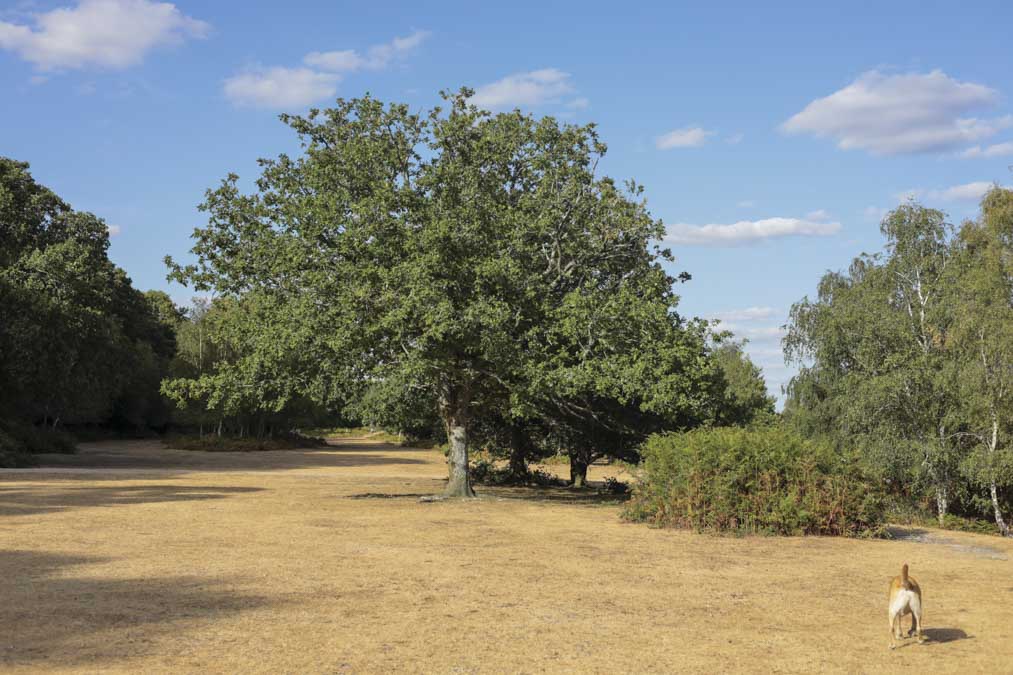
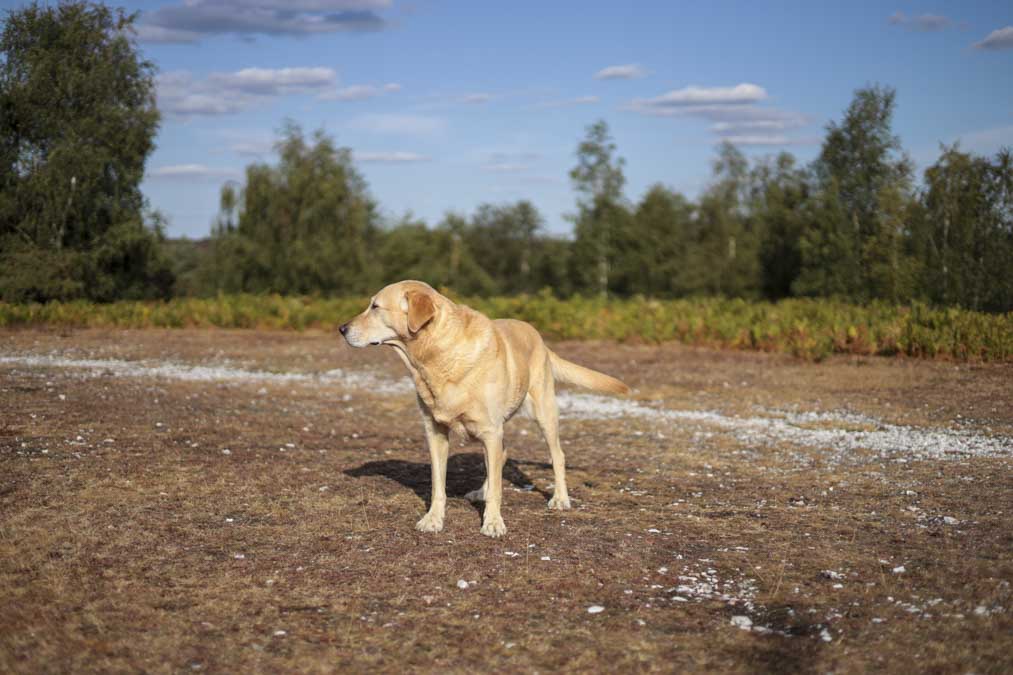
And, here’s a piece of accidental symmetry: our original review tested the tracking on dogs racing around a garden in 2018 and concluded the AF system can shoot action, but it isn’t its strength. Eight years later, I repeated the test with Pip, my Labrador, running, well she is 11 so not quite the pace of eight years ago, straight at the camera, and reached the same place. The Dual Pixel system finds her and holds her while the movement is readable, but the 5fps ceiling, 3fps in tracking-priority mode, and the 2018-era logic cut the keeper rate on erratic movement to a fraction of what any current body manages. For landscapes, travel and documentary work, none of this is and issue. For sport and wildlife, it rules out the camera, and it always did.
Another common feature, uncommon in 2018 is in-body stabilisation. With stabilised RF or EF lenses, it barely matters for stills. With an unstabilised prime, you’re minding shutter speeds the old-fashioned way, and handheld video without an IS lens wobbles. The battery is CIPA-rated for 370 shots, and real-world use comfortably beats that rating.
General responsiveness holds up: startup, menus and playback are all quick enough that the camera never feels its age in the hand. The single UHS-II slot at least clears that 47-shot buffer relatively quickly with a fast card such as the Lexar Professional Silver Pro.
Should you buy the Canon EOS R?
Buy it if your photography is deliberate and your budget is under £700. Skip it if you shoot action, weddings or serious video. At £594 to £674, with a 12-month warranty, nothing else offers a 30.3MP full-frame sensor, this viewfinder, and this lens ecosystem.
Buy it if…
+ You shoot landscapes, travel or documentary
+ You want the cheapest route into RF full-frame
+ You own EF lenses you want to keep using
Don’t buy it if…
– You shoot sports, wildlife or fast action
th- You need dual card slots for paid work
– Video matters more than stills
Alternatives
Canon EOS RP: the smaller 26.2MP sibling, used from £374, if budget beats resolution. Used Canon EOS R6: £1,009 to £1,079 buys IBIS, 20fps and modern tracking, the sensible step up for action. Canon EOS R8: the official successor, around £1,400 new, with the R6 II’s sensor and autofocus in a lighter body.
How we tested
I tested a used Canon EOS R supplied on loan by MPB, shooting alongside my Canon EOS R5 C over two weeks on firmware 1.8. Testing covered landscape, low-light, street and action photography with RF and adapted EF lenses, plus 4K video handheld and stabilised, buffer, battery and startup timing. MPB had no input into this review.