
Our Verdict
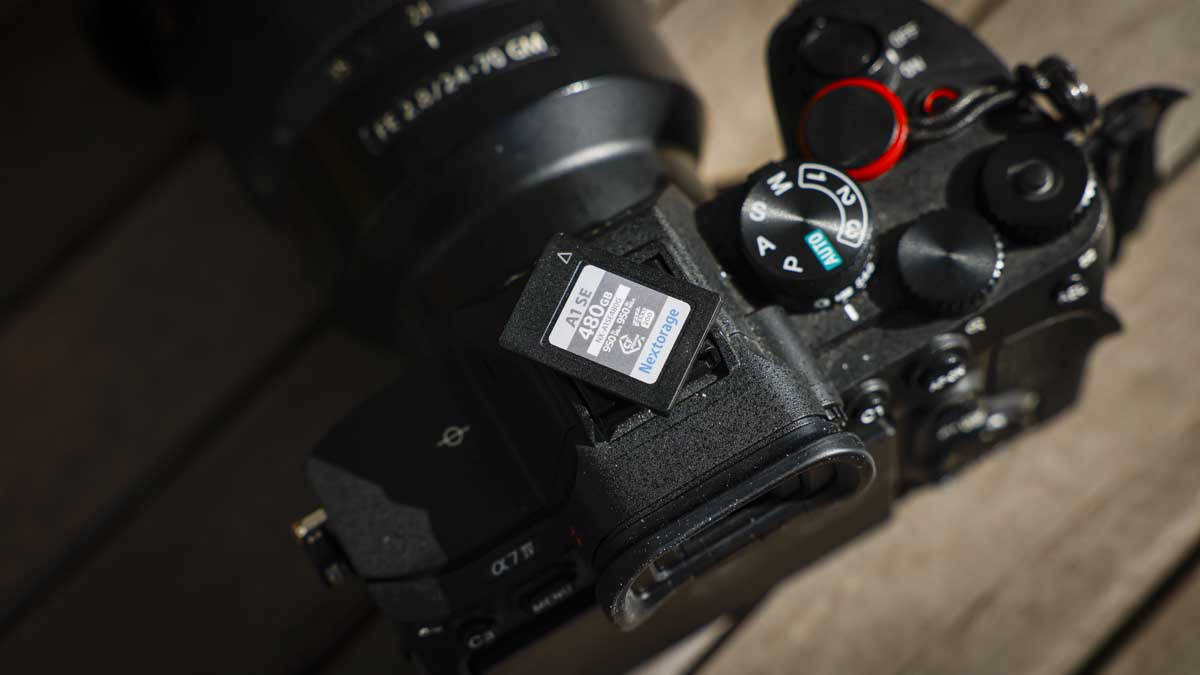
What is the NX-A1SE?
This is the second CFexpress Type A memory card we’ve reviewed from Nextorage, and like the A1PRO, the NX-A1SE series impressed. It still offers the same impressive read/write speed of 950 MB/s. The main difference is the VPG200 certification, which means the A1SE has a sustained write speed of 200 MB/s—sufficient for 4K video. In contrast, the A1PRO has a minimum write speed of 400 MB/s, qualifying for VPG400.
In real-world use, the difference in minimum write speed has little effect on most cameras. During this test with the Sony A7 IV, the A1SE card was more than capable. The A1PRO may be needed if you’re using a higher-performance camera, like the Sony A1. However, for most users, the A1SE will be more than adequate.
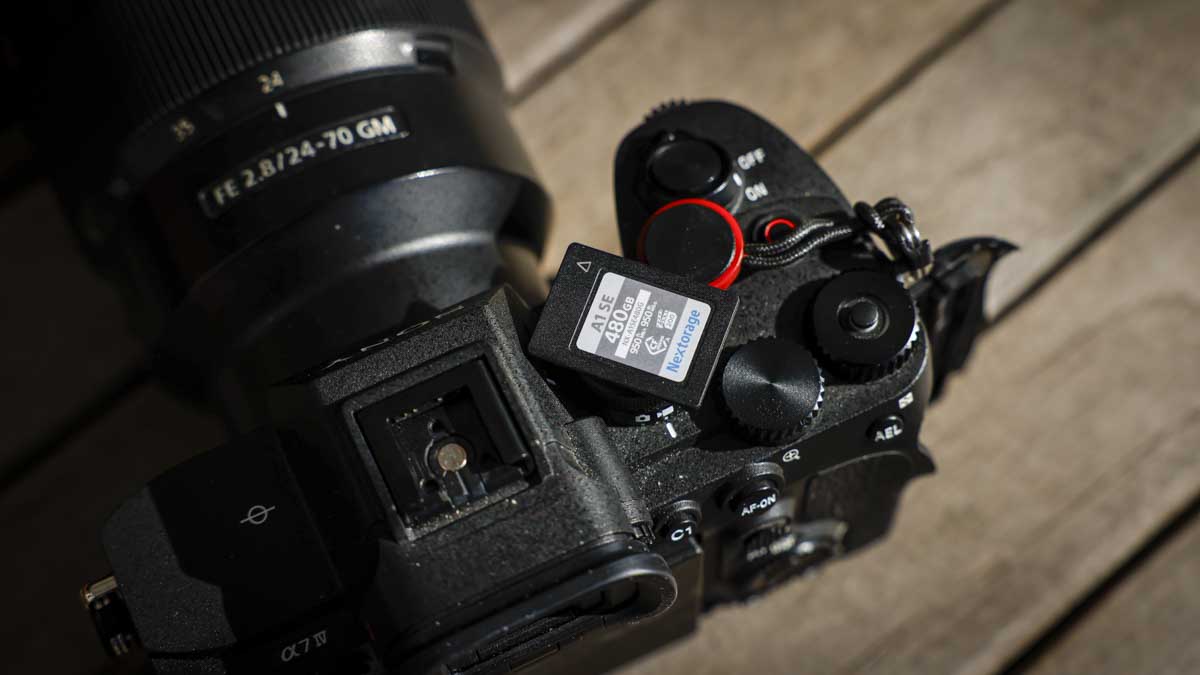
While the A1SE is designed to be slightly slower than the A1PRO, it offers larger capacities and a lower price, making it a good value.
Specification
- Capacity: 480 GB: Capacity: 480 GB
- Form Factor: CFexpress Type A: Form Factor: CFexpress Type A
- Interface: PCIe® 3.0 × 1, NVMe 1.4: Interface: PCIe® 3.0 × 1, NVMe 1.4
- Max. Speed (Read): 950 MB/s: Max. Speed (Read): 950 MB/s
- Min. Sustained Speed (Write): 400 MB/s: Min. Sustained Speed (Write): 400 MB/s
- VPG200: Supported: VPG200: Supported
Build and Handling
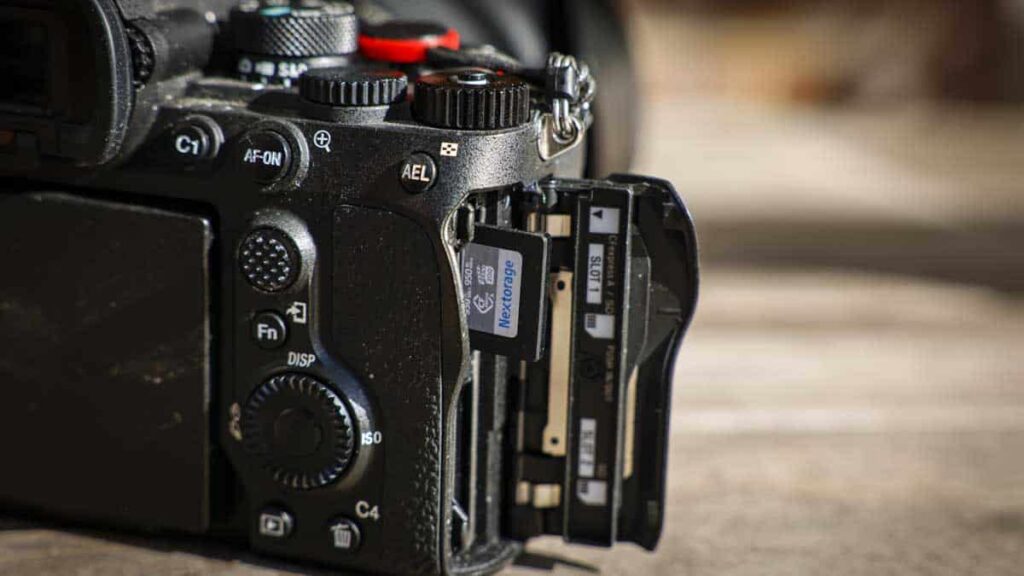
Like all CFexpress Type A cards, the NX-A1SE adheres to strict design specifications to ensure it slots seamlessly into all compatible cameras and devices. In this test, the card worked flawlessly with the Sony A7 IV, with no issues fitting into the CFexpress Type-A port. The manufacturer recommends a reformat to ensure the proper file format is used and any database or folder structures are put in place before shooting.
After the initial setup, the card was ready for use. A quick test shooting a few stills and recording some video showed the card is more than capable of handling all video and image quality settings the Sony A7 IV offers.
Features
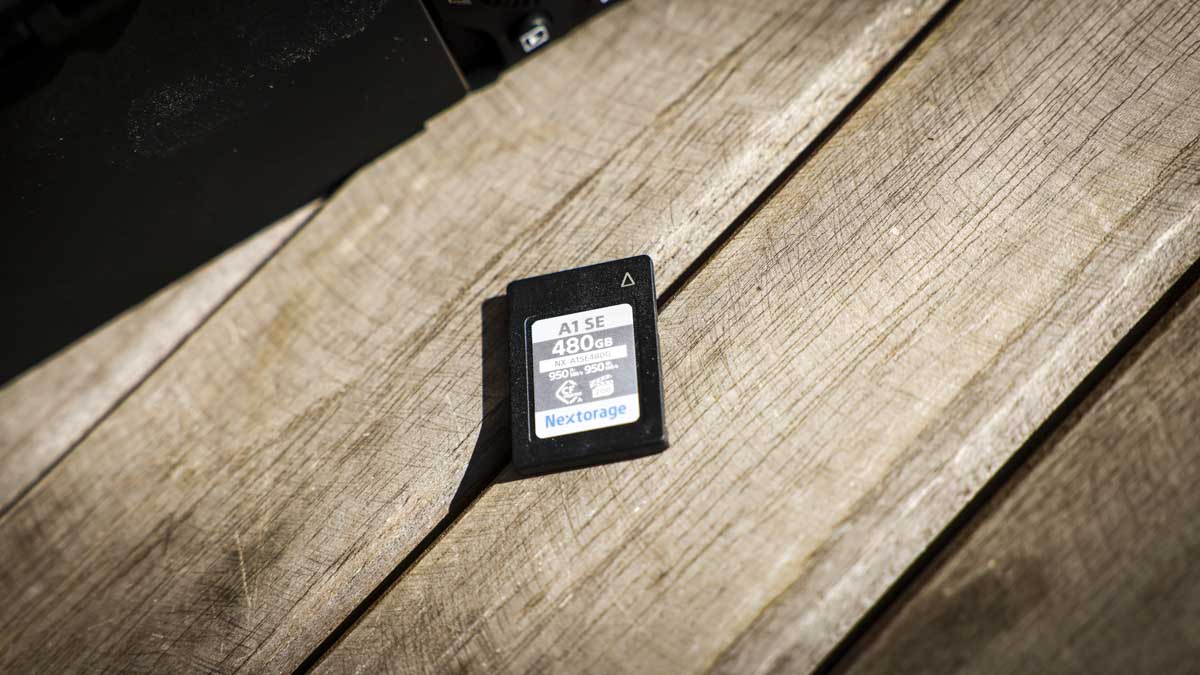
As a CFexpress Type A card, the A1SE is aimed at high-end photography and video use. While general photographers can take advantage of the card’s speed, there’s a high price to consider. For the same price, you could purchase several terabytes worth of UHS-II SD cards. However, the CFexpress Type A card offers boosted performance rates of up to 950 MB/s, far surpassing the fastest V90 UHS-II SD cards.
Though not at the top level of Nextorage’s CFexpress Type A cards, the A1SE still offers a maximum write speed of 950 MB/s and is VPG200 certified, meaning it sustains a minimum write speed of 200 MB/s. This makes it ideal for both enthusiasts and professionals shooting in 4K and 8K. One of the big features of the NX-A1SE series is its range of capacities, which go up to 1920 GB, more than enough for a videographer on a day shoot.
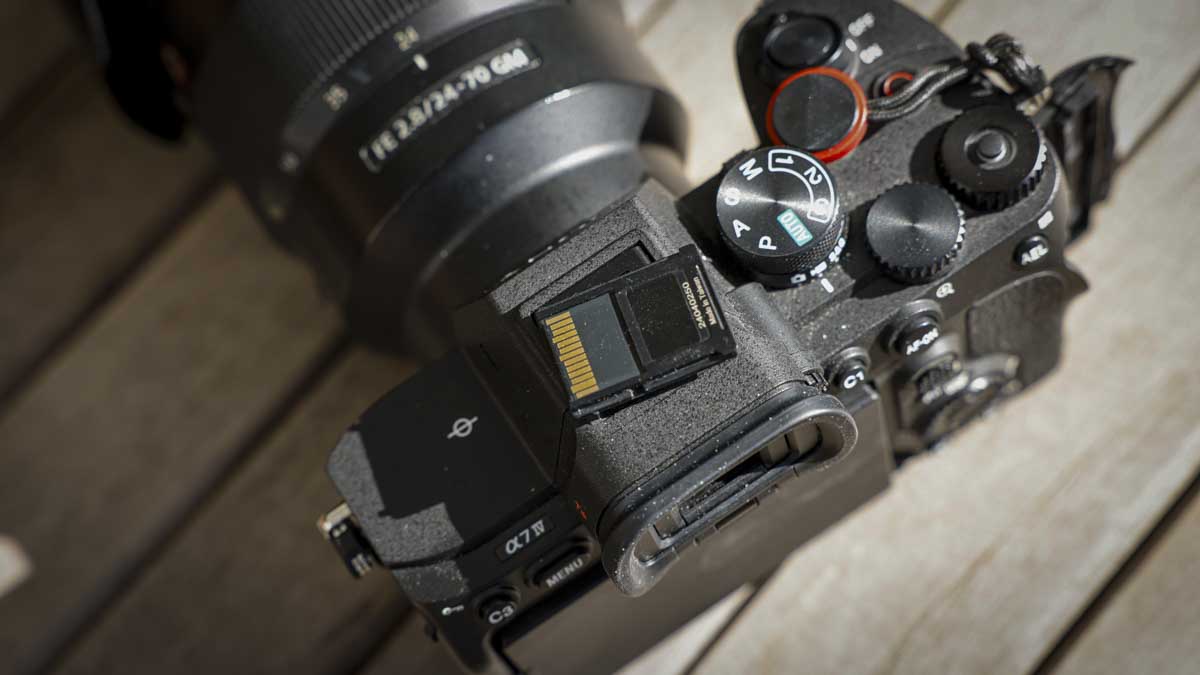
Like all Nextorage storage cards, the A1SE has an operating temperature range of 14°F to 158°F and is resistant to shock, X-rays, UV, magnetism, and static. In terms of compatibility, the CFexpress Type A card is only compatible with Sony cameras. The range of compatible cameras is relatively small, currently including the Sony A1, A7R V, A7S III, A7 IV, FX6, FX3, and FX30. However, this range is quickly expanding.
Nextorage also offers free data recovery software, Memory Card File Rescue, which can be downloaded from its website. The card comes with a 5-year limited warranty, providing peace of mind for your investment.
Performance
When it comes to performance, this card met all the demands of my Sony A7 IV. There were no glitches throughout the month-long testing period, where this card was used alongside the A1PRO. In real-world testing, both cards performed as well as any other major brand, handling the highest resolution footage, including 4K at 60 fps, without any issues. Shooting in XAVC 4K at 200 Mbps using Picture Profile 8 for S-Log3 recording showed the card’s capability to handle advanced video settings.
This card consistently kept up with the demands of the camera, with no issues recording video. In comparison to its competitors, the A1SE performed excellently in the Sony A7 IV. While some other cards may feature metal fronts and backs for heat distribution, the A1SE’s full plastic build didn’t seem to have any negative effect, and the card worked without any thermal throttling.
Benchmark tests proved equally impressive:
Crystal Disk Mark: Read: 747 MB/s | Write: 714 MB/s
ATTO: Read: 805.81 MB/s | Write: 775.76 MB/s
AS SSD: Read: 740.32 MB/s | Write: 718.65 MB/s
AJA System Test Lite: Read: 747 MB/s | Write: 729 MB/s
Final Thoughts
The A1SE performed well during the month of testing, keeping up with the demands of the Sony A7 IV without any issues. I tested the full range of resolution and frame rate settings while recording video and pushing the image quality settings to maximum when shooting both JPEG and RAW. Even in burst mode, the card handled everything without fail.
At the end of testing, the A1SE proved to be a card that would appeal equally to professionals and enthusiasts. There’s not much else in the market offering the same performance for the price. The A1SE is a solid option, especially with the higher capacity and slightly lower price than the A1PRO.
If you’re looking for a reasonably priced CFexpress Type A card, the Nextorage A1SE 480 GB option is a great choice.