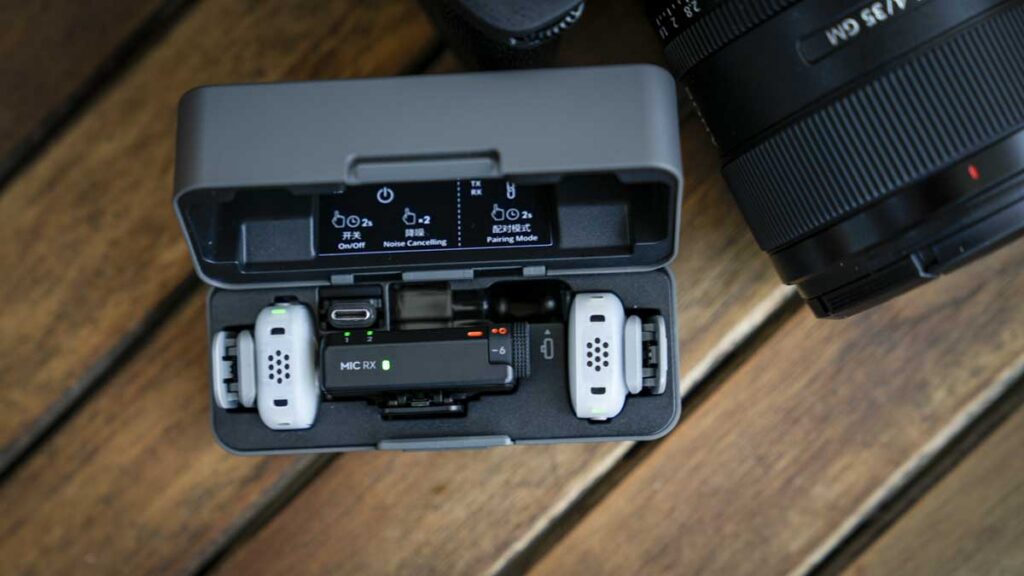

The tiny wireless mic gets a style-led refresh with stronger creator appeal
Our Verdict
DJI Mic Mini 2 Verdict
What is the DJI Mic Mini 2?
The DJI Mic Mini 2 is a compact wireless microphone system designed for creators who want a quick, lightweight way to record better audio. It is aimed at vloggers, mobile filmmakers, social media creators, travel shooters and DJI Osmo users who need a microphone that can be clipped or magnetically attached without a complicated setup. DJI positions it as a small omnidirectional wireless microphone with 48kHz/24-bit audio, three voice tone presets, two-level noise cancelling, automatic limiting and DJI OsmoAudio direct connection with compatible devices.
In practical terms, it is the successor to the original DJI Mic Mini, which was already one of the simplest and most effective compact wireless mic systems available. The original model weighed just 10g per transmitter and was praised for its tiny size, strong audio quality and straightforward handling. The Mic Mini 2 keeps that same basic appeal but adds a more style-conscious design, stronger mixed-device compatibility and a wider range of physical customisation options.
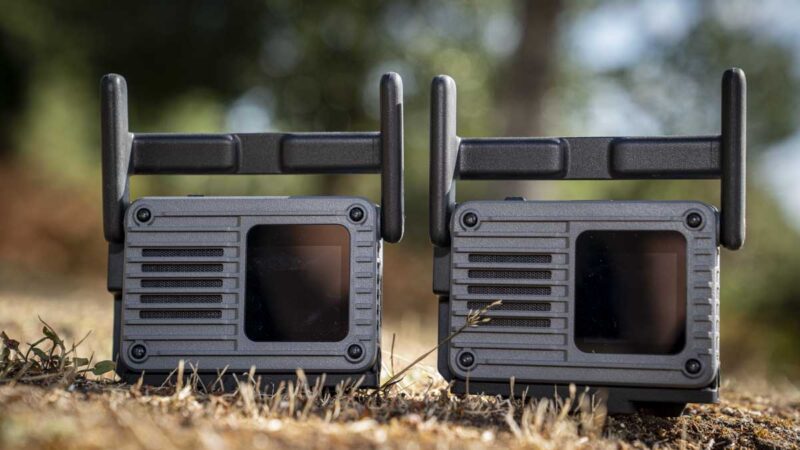
The Mic Mini 2 transmitter is slightly larger than the original, but its thinner shape helps it feel less blocky when worn. Personally, I still prefer the smaller forward-facing design of the first Mic Mini, especially when trying to keep the microphone subtle in frame. However, DJI clearly has a different audience in mind here. The Mic Mini 2 is designed not just as an audio tool, but as a visible creator accessory.
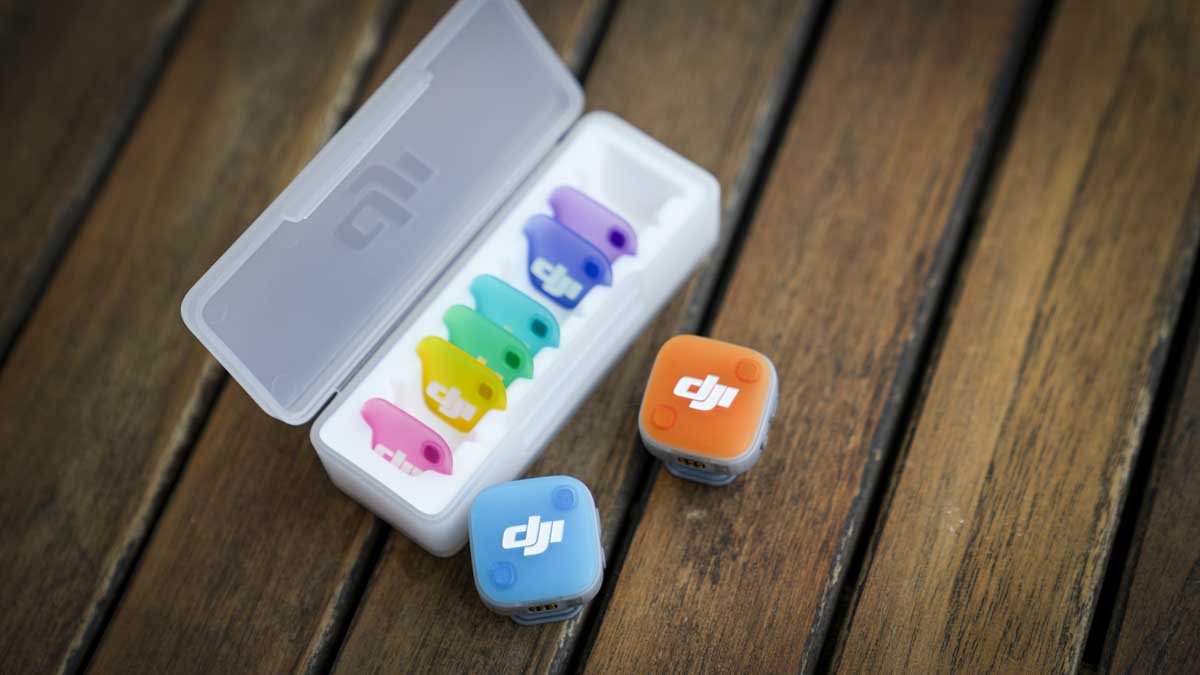
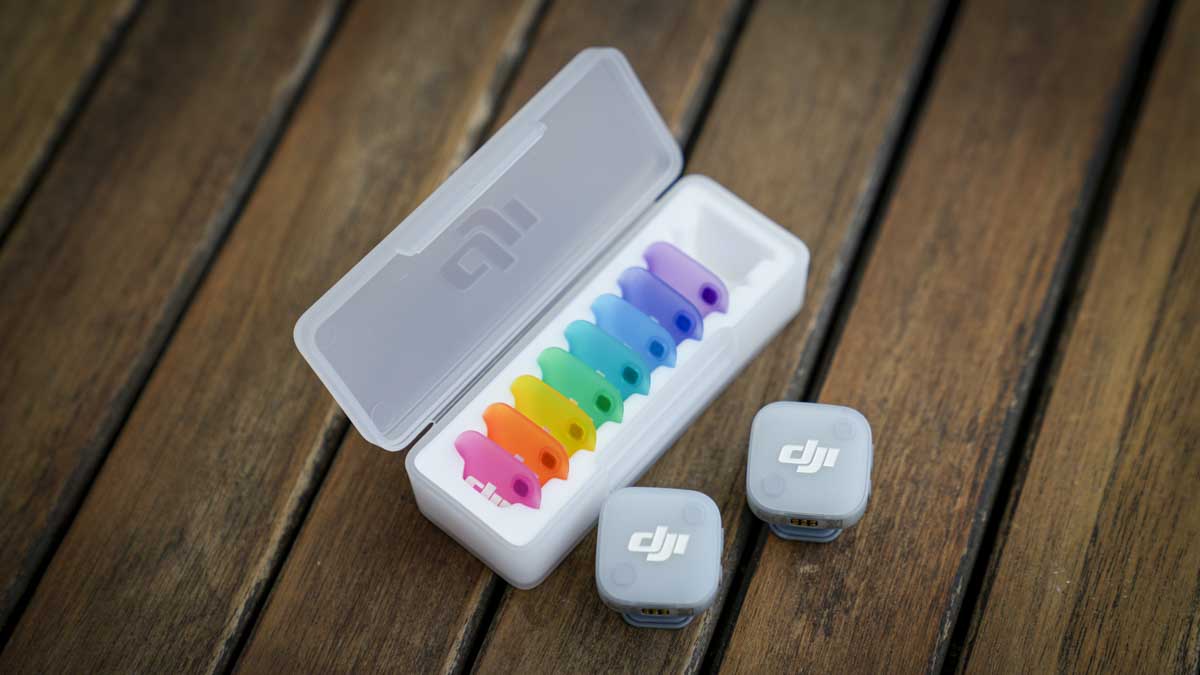
That is where the magnetic covers come in. The standard kit includes a selection of eight covers, while the separate Victo Ngai collection adds four more illustrated options: Dawn, Surge, Blaze and Glimmer. DJI describes these as designs inspired by different stages of life, but the more important point from a filming perspective is that they change the character of the mic completely. Instead of trying to hide the transmitter, you can make it stand out.
Specification
Product type: Compact wireless microphone system
Microphone type: Omnidirectional wireless microphone
Transmitter weight: Approx 11g
Audio quality: 48kHz / 24-bit
Voice presets: Regular, Rich and Bright
Noise cancellation: Two-level active noise cancelling
Transmission distance: Up to 400m with DJI Mic Mini Receiver
Battery life: Up to 11.5 hours transmitter, 10.5 hours receiver
Charging case runtime: Up to 48 hours total
Connectivity: DJI OsmoAudio direct connection with compatible DJI devices, including Osmo Pocket 3 and Osmo Action models
Build and Handling
The DJI Mic Mini 2 feels very familiar if you have used the original Mic Mini, but the changes are obvious once the transmitter is in your hand. The new design is slightly larger, but also thinner, and it has a more refined look. It is still a small microphone, and it is still light enough to wear comfortably, but it feels more styled than the original.
The magnetic clip is one of the nicest physical changes. It has a slight curve, which gives it a better aesthetic look and feel than a flat-backed clip. Initially, I was concerned that the curve might affect how securely it held the mic against clothing, especially on anything thicker than a shirt. In practice, it worked very well. Even on a mid-weight woolly jumper, the microphone stayed in place without slipping or feeling insecure.
That is important because the Mic Mini 2 is very much designed for everyday use. It is the sort of mic you can quickly clip on before filming a piece to camera, a walk-and-talk, a social clip or a quick interview. The attachment system feels fast and confidence-inspiring, and the transmitter is light enough that it does not pull at clothing in the way larger wireless transmitters can.
The new magnetic covers are also part of the handling experience. In the box, DJI includes a selection of eight, which gives you far more scope to match the mic to clothing or the look of a shoot. The additional Victo Ngai covers add a more expressive, illustrated style, and these are likely to appeal strongly to influencers and creators who are already comfortable with microphones being part of their visual identity.
For me, that is also where the Mic Mini 2 is slightly less convincing than the original. From a traditional video production point of view, a lavalier mic is usually something you try to hide. The original Mic Mini was already visible, but it felt more discreet. The Mic Mini 2 leans into visibility, and while that makes sense for its target audience, I still prefer a mic that draws less attention to itself.
As with the original Mic Mini, there is no 3.5mm lavalier input. That is not surprising at this size and price point, but it does limit the system’s professional flexibility. If you need a wireless system that can take a discreet external lavalier microphone, the DJI Mic 2 remains the better fit. For creators who are happy to wear the transmitter in shot, however, the Mic Mini 2 is very easy to live with.
Features
The DJI Mic Mini 2 adds several useful features over the original Mic Mini, but the most obvious day-to-day upgrade is the addition of three voice tone presets: Regular, Rich and Bright. These are designed to give creators a quick way to adjust the character of their voice without needing to do as much correction in post-production. Regular is the natural setting, Rich adds more low-end body, and Bright lifts the higher frequencies for a clearer, more forward sound.
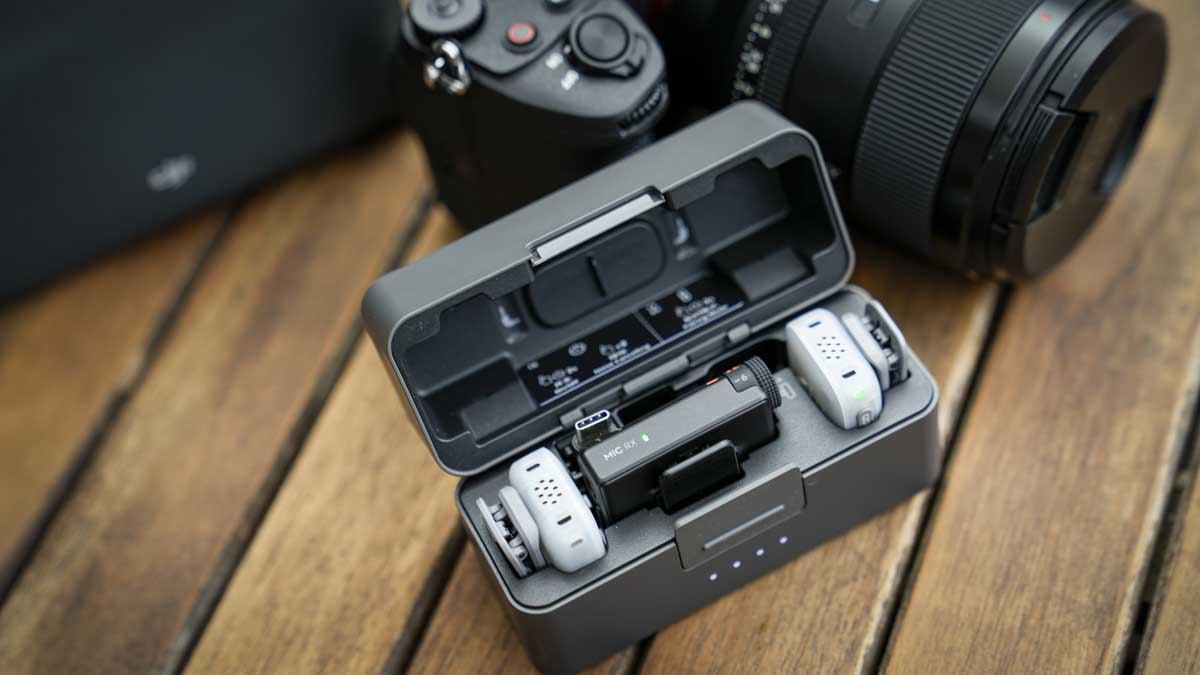
The Mic Mini 2 also includes two-level active noise cancelling and automatic limiting. Automatic limiting is especially useful for solo creators because it helps reduce the risk of clipped audio when the input suddenly gets too loud. That matters when filming in unpredictable environments, whether that is a busy town centre, a windy street, an event space or anywhere else where you might not get a second chance to record the same moment.
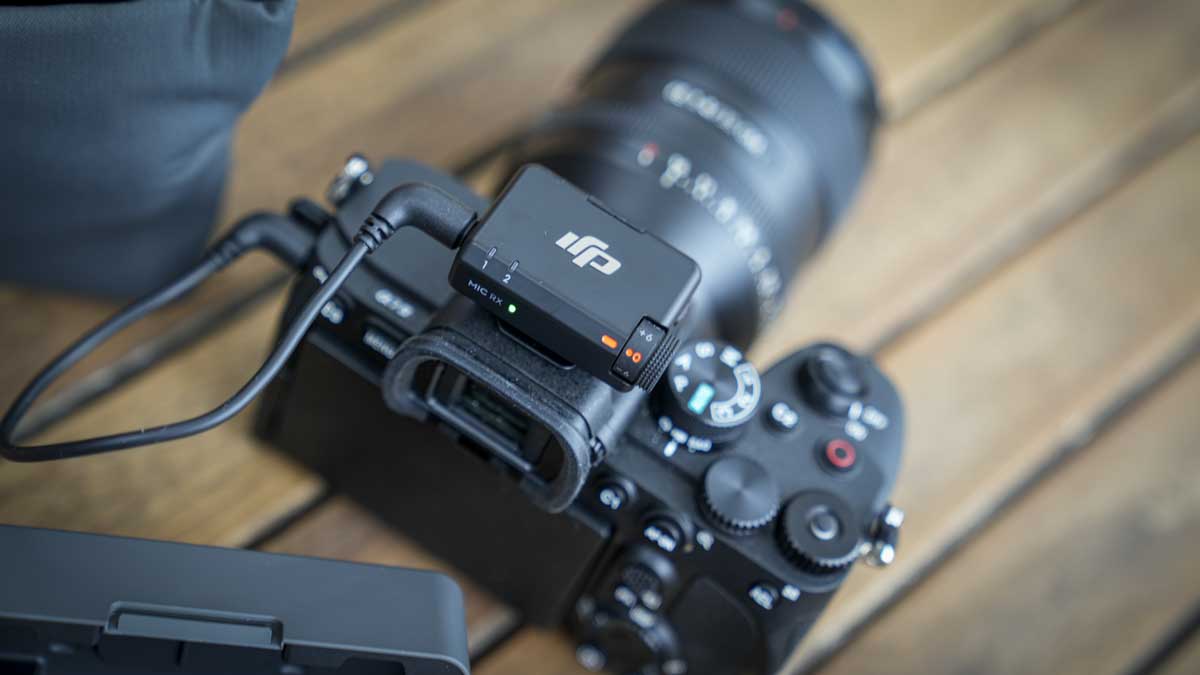
Compatibility is another major part of the appeal. The Mic Mini 2 works with the DJI Mic Mini Receiver, and DJI says the receiver can connect to both Mic Mini and Mic Mini 2 transmitters. The DJI Mic Series Mobile Receiver can also work with Mic Mini, Mic Mini 2, Mic 2 and Mic 3 transmitters, with up to two transmitters connected at once. That makes the Mic Mini 2 a more flexible option if you already have other DJI audio kit or want to build a mixed setup over time.
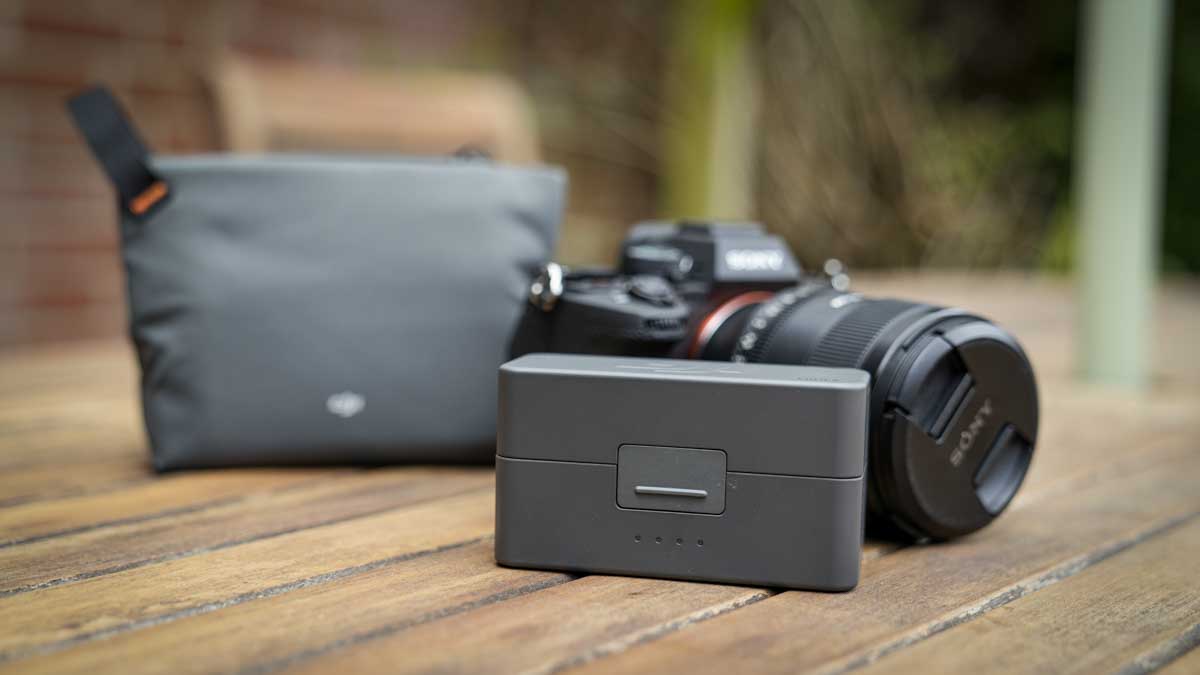
The OsmoAudio connection is equally important if you shoot with DJI cameras. The Mic Mini 2 can connect directly to compatible devices such as the DJI Osmo Action 6, DJI Osmo Action 5 Pro, DJI Osmo Pocket 3 and DJI Osmo 360 without needing a separate receiver. For lightweight travel and action setups, that makes a huge difference because there is less to mount, less to power and less to go wrong.
However, the Mic Mini 2 still lacks internal recording and a 3.5mm lavalier input. That means it sits very clearly below the DJI Mic 2 and DJI Mic 3 in terms of professional flexibility. It is a simple, creator-focused microphone rather than a full production audio system.
Performance
The most impressive thing about the DJI Mic Mini 2 in real-world use is the transmission strength. Testing it across the width of Salisbury Market Square on a busy Saturday provided a good sense of how it performs away from controlled conditions. This was a crowded town-centre environment with people moving around, buildings nearby and plenty of potential interference, yet the signal strength remained exceptionally good.
That sort of reliability is exactly what you want from a small wireless microphone. It is one thing for a system to perform well in a quiet room or an open field, but town centres, events and public spaces are much more useful tests for creators. In this case, the Mic Mini 2 gave a strong impression of stability, which makes it a very reassuring option for walk-and-talk pieces, event coverage, street interviews and travel filming.
Audio quality follows the same general pattern as the original Mic Mini. The first model already impressed in the Camera Jabber DJI Mic Mini review, where it stood out for its combination of simple operation, compact size and strong sound quality. The Mic Mini 2 does not feel like a dramatic shift in core audio performance, but the extra control from the voice tone presets and automatic limiting gives it more flexibility in changing environments.
The two-level noise cancelling is another useful feature, particularly for creators who regularly film outdoors or in public spaces. As always with this kind of processing, the best results are likely to come from using it carefully rather than leaving the strongest setting on all the time. Even so, having a simple way to reduce environmental noise is useful, especially for mobile creators who are not carrying a full audio setup.
The Mic Mini 2 is best suited to vlogging, social content, travel video and lightweight documentary-style shooting. It also makes a lot of sense alongside small creator cameras and devices such as the DJI Osmo Action 5 Pro, DJI Osmo Pocket 3, DJI Osmo Mobile 7P and DJI Neo 2, where speed, size and simplicity matter more than traditional production audio features.
The limitation is the same as before. If you need to hide the microphone, use a proper lavalier, record internally as backup or work in a more professional interview setup, the Mic Mini 2 is not the most complete option. For that, the DJI Mic 2 is still the model I would look at first.
Final Thoughts
The DJI Mic Mini 2 is a strong follow-up to the original Mic Mini. It keeps the qualities that made the first model so good — small size, simple setup, strong audio and excellent ease of use — but adds a more refined design, excellent real-world transmission strength and a much stronger sense of visual identity.
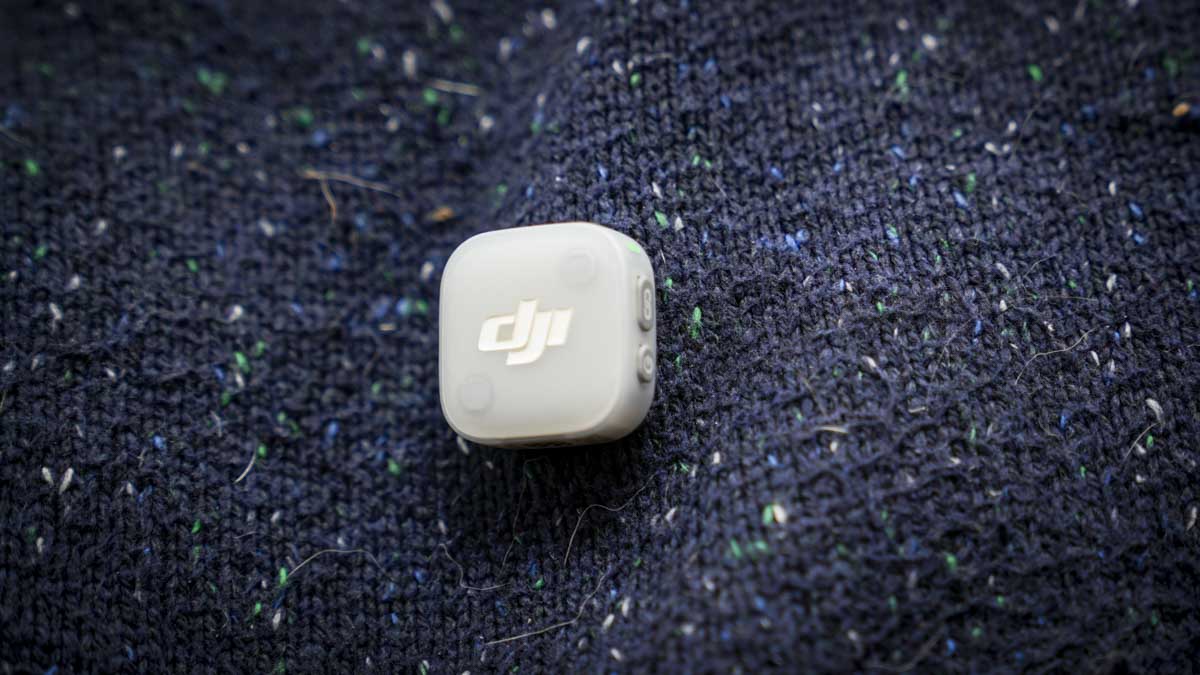
The new styling will not appeal to everyone. Personally, I still prefer microphones to be as discreet as possible, and I slightly prefer the smaller forward-facing feel of the original Mic Mini. However, the Mic Mini 2 is clearly aimed at a different kind of user: creators who are happy for the microphone to be seen, and who may even want it to become part of their look.
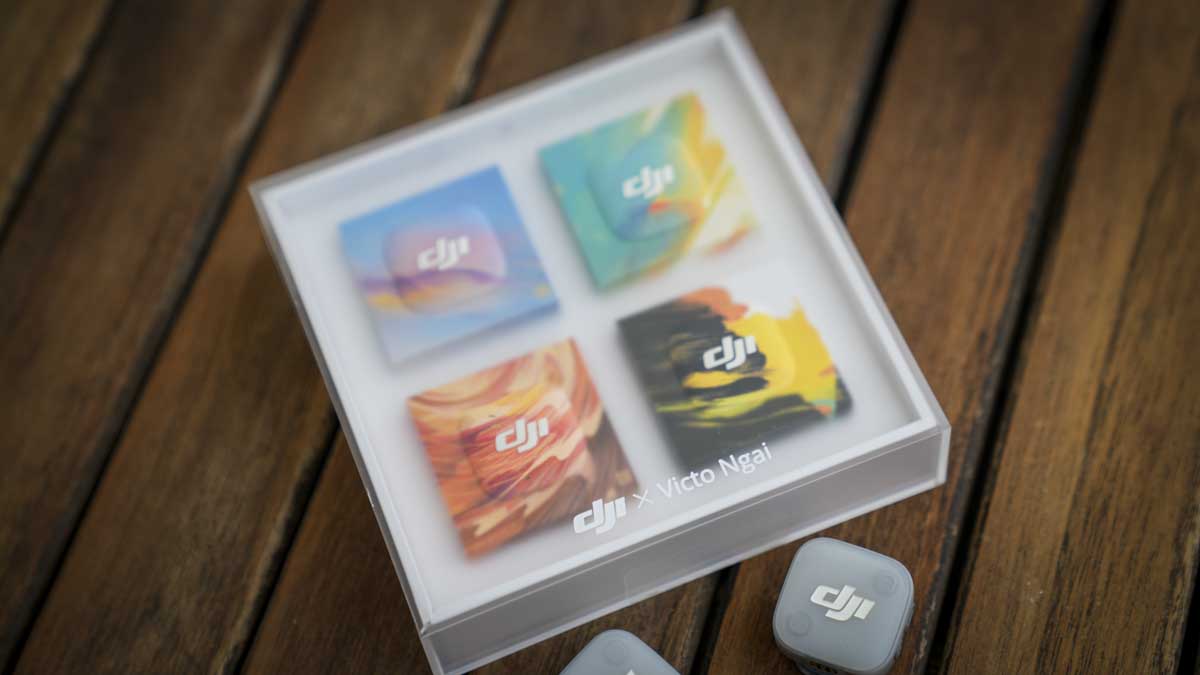
In that context, the interchangeable covers make sense. The eight covers included in the box are a nice addition, while the Victo Ngai designs push the idea further for creators who want something more distinctive. It is not traditional broadcast thinking, but it is very much in tune with the influencer, vlogger and social creator market.
The curved magnetic clip is also better than expected. It looks good, feels good and holds securely, even on thicker clothing such as a mid-weight woolly jumper. Combined with the excellent wireless performance across a busy town centre, it gives the Mic Mini 2 the confidence factor that matters most when recording in the real world.
The lack of a 3.5mm lavalier input still prevents it from being a true professional all-rounder, and that is where the DJI Mic 2 remains important. But for everyday creators, vloggers, DJI Osmo users and anyone wanting a small wireless microphone that is quick to use and reliable in public spaces, the DJI Mic Mini 2 is an excellent little system.
It may be slightly louder in style than I would personally choose, but in performance and usability, the DJI Mic Mini 2 is difficult to fault.