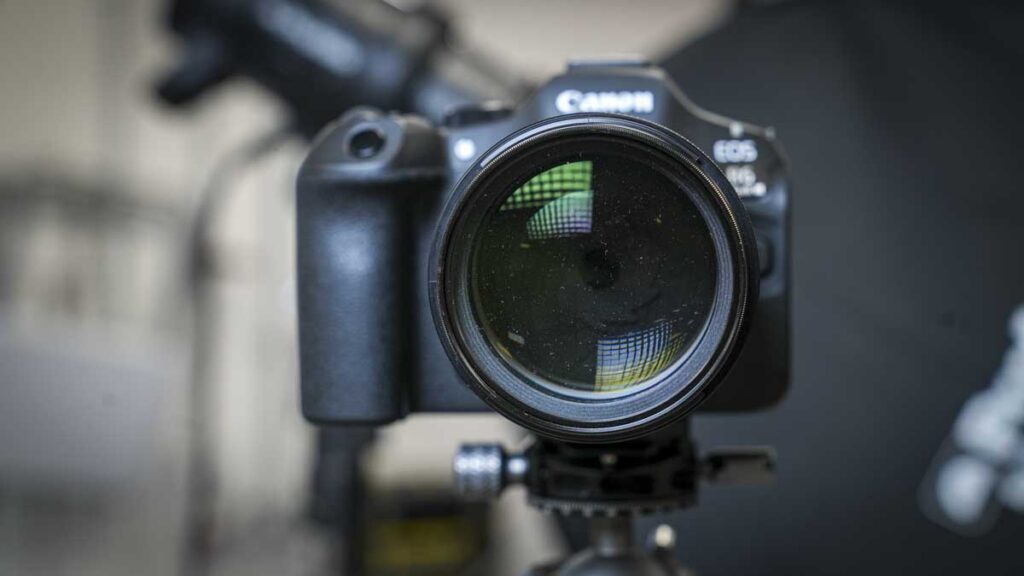

Canon's most versatile full-frame mirrorless combines 40 fps burst shooting, class-leading autofocus, and 4K 120p video in one capable hybrid body.
Our Verdict
Canon EOS R6 Mark III Verdict
What is the Canon EOS R6 Mark III?
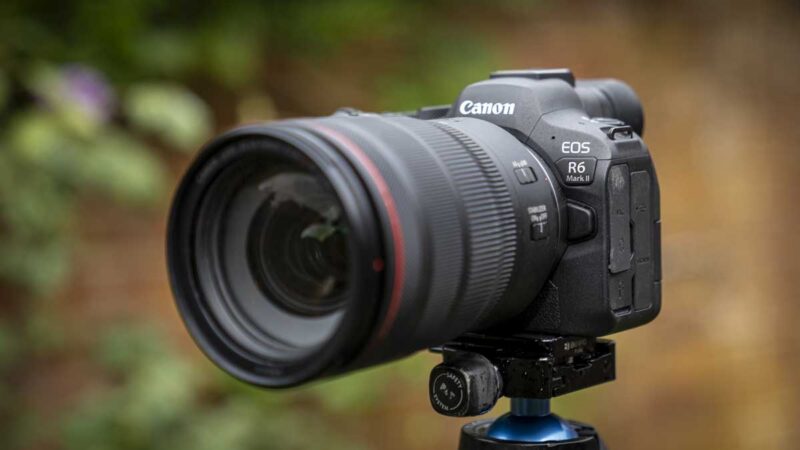
The Canon EOS R6 Mark III is a full-frame mirrorless camera for serious enthusiasts and as a professional second body. It is part of Canon’s RF system lineup. This is one of the most comprehensive mirrorless ecosystems, spanning compact primes to professional supertelephotos.
The R6 Mark III sits below the resolution-focused R5 II line but offers a swifter, more adaptable shooting experience that emphasises speed and hybrid utility over sheer pixel count.
It suits photographers and videographers who need a single body for multiple assignments. The 32.5MP full-frame sensor, 40fps burst, and 4K 120p video make it capable for sports, wildlife, portraits, events, and video work.
A professional using an R5 II as a primary body will find the R6 Mark III the natural pair. It shares Canon’s interface, colour science, and lens compatibility. Its unique strength is breadth—the ability to move from fast stills to high-quality video without changing body or workflow.
Specification
Sensor: 32.5MP full-frame CMOS
ISO range: 100–102,400 (expandable)
Burst rate: Up to 40fps (electronic shutter) | 12fps (mechanical)
Autofocus: Dual Pixel CMOS AF II
Video: 7K RAW | 4K up to 120p | 6K
Weather sealing: Yes
Weight: Approx. 680g (body only)
Battery: Approx. 500 shots per charge
Mount: Canon RF
Price: Approx. £2,799
ISO range: 100–102,400 (expandable)
Burst rate: Up to 40fps (electronic shutter) | 12fps (mechanical)
Autofocus: Dual Pixel CMOS AF II
Video: 7K RAW | 4K up to 120p | 6K
Weather sealing: Yes
Weight: Approx. 680g (body only)
Battery: Approx. 500 shots per charge
Mount: Canon RF
Price: Approx. £2,799
Build and Handling
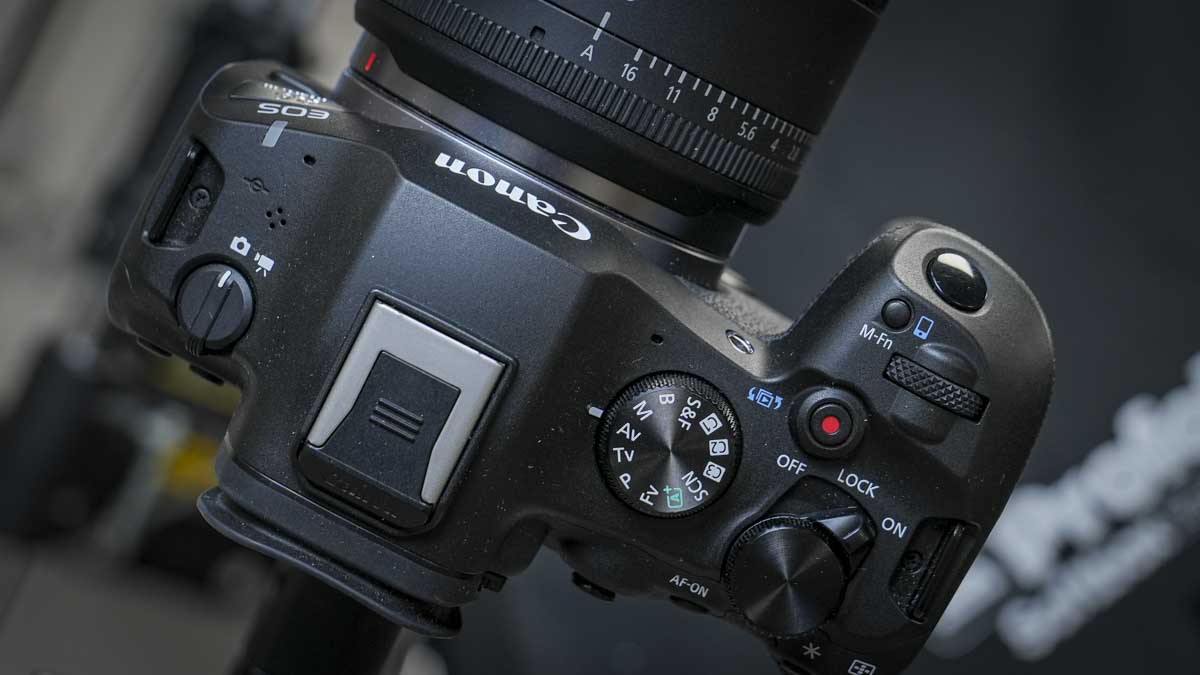
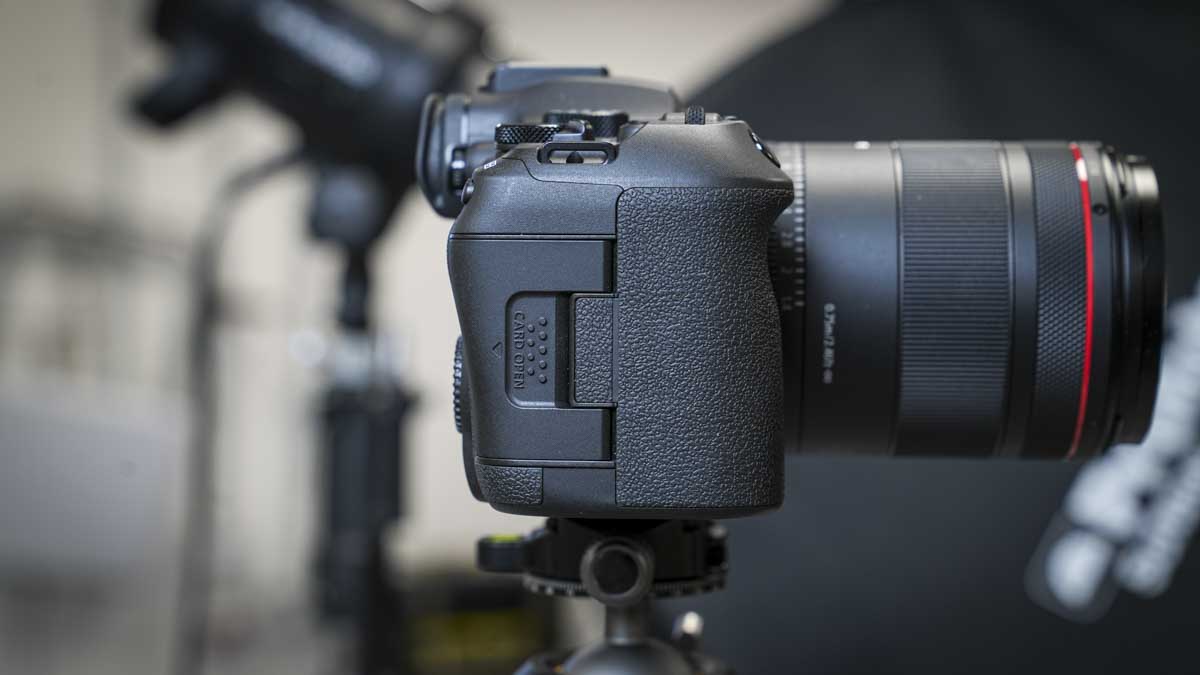
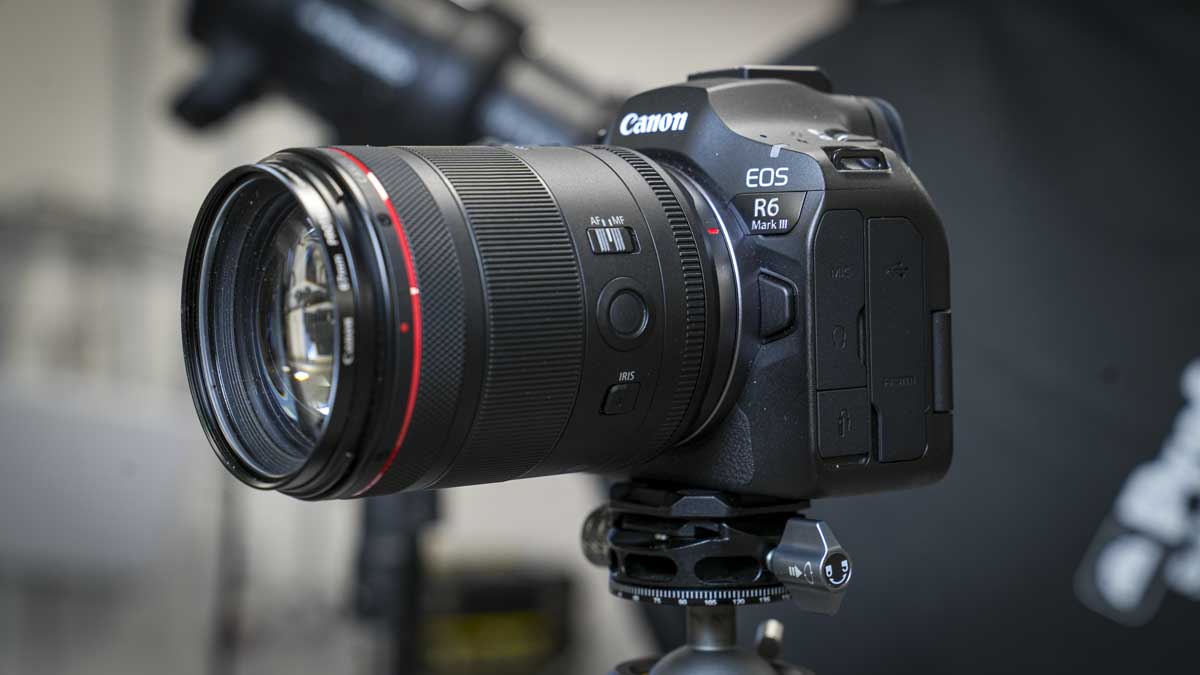
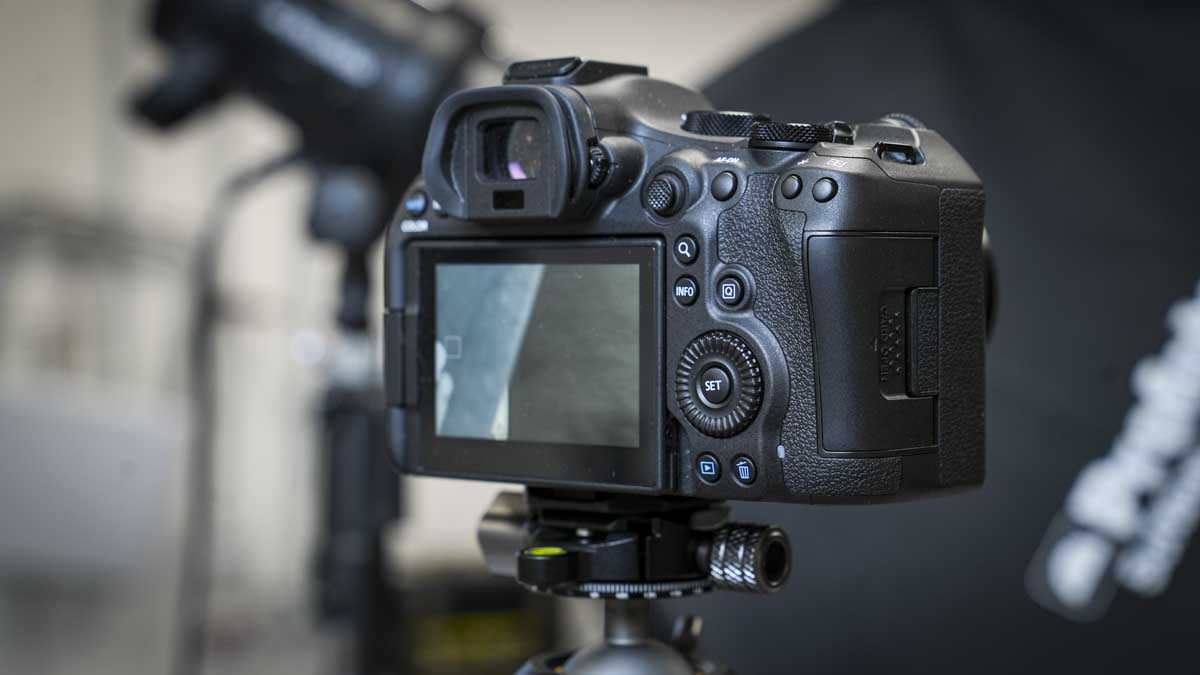
The R6 Mark III feels like a professional tool, which is expected at this price. The body is compact for a full-frame mirrorless, with rounded edges and a deep, secure grip. This makes extended shooting comfortable, even with heavy RF lenses.
Weather sealing is comprehensive, and the build throughout feels robust without being unnecessarily heavy, at approximately 680g body-only. Compared with the medium-format Hasselblad, the R6 Mark III is also considerably more manageable in the field, and its smaller footprint makes it easier to work discreetly in documentary and street situations.
Setup is fast. Battery in, time settings confirmed, and the camera is ready to shoot in under a minute. The interface will be immediately familiar to anyone who has used a Canon EOS camera in recent years, with the same logical menu structure and layout across models.
If you upgrade from an older Canon body or use the R6 Mark III alongside an R5 II as a second body, you will benefit from this consistency. You will find custom buttons plentiful and easy to configure, and you can access common shooting parameters without entering menus.
You will appreciate the large grip and well-considered control layout when handling the R6 Mark III. You can quickly switch between stills and video modes, and the camera consistently responds in line with its hybrid ambitions. For photographers coming from the DSLR era, you will find the transition to the RF system natural from your first session.
Features
Canon’s Dual Pixel CMOS AF II (the R6 Mark III’s second-generation phase-detect autofocus system on the sensor) is the feature that most defines the R6 Mark III’s shooting experience. It is among the fastest and most reliable autofocus systems available in any camera, covering subject detection for people, animals, vehicles, and more with a tracking accuracy that holds through unpredictable movement.
In testing, the camera maintained focus on a Labrador running at speed through woodland, through foliage, changes of direction, and variable light, delivering consistent results. For wildlife and action work, the performance stands out with appropriate reach lenses.
The 40 fps electronic shutter burst rate is equally impressive, and the buffer capacity to sustain it is substantial, writing comfortably to a Lexar Gold CFexpress Type-B card without imposing a practical ceiling on continuous shooting.
The 12 fps mechanical shutter remains available for situations where the electronic shutter struggles with artificial lighting or fast-moving subjects.
Video capability runs from 7K RAW at the top end through 6K and 4K, with 4K at 120fps the headline specification for slow motion work. The 4K quality is excellent, and the 120fps option delivers smooth slow motion that will satisfy most professional video requirements.
Potential overheating during sustained video recording is a known limitation of the system and warrants monitoring in intensive shooting environments. The RF lens ecosystem is extensive, with Canon’s own range covering every focal length and application, and EF lenses available via adapter for photographers with existing glass.
Performance
In the field, the R6 Mark III performs exactly as its specification suggests: it handles almost everything put in front of it with confidence. Testing across wildlife, portrait, and low-light situations, the camera’s consistency was the most immediate impression.
The Dual Pixel AF locked on to subjects quickly and held through movement, partial obstruction, and variable light without the hesitation or hunting that can affect less capable systems. Photographing wildlife and action at 40 fps produced sequences in which the hit rate for sharp, well-focused frames was high enough that culling rather than hoping became the workflow.
Image quality from the 32.5MP full-frame sensor is excellent. The characteristic Canon colour science is immediately apparent in the files, with a depth and richness to colours, particularly skin tones and natural greens, that sit at the warmer, more saturated end of the spectrum.
Contrast benefits from a slight adjustment in processing, but the underlying tonal quality remains smooth and detailed. Fine detail reproduction in good light is excellent, and even in the flat, low-light conditions of the test period, the sensor extracted usable detail from challenging scenes that other cameras in this test struggled with.
Low-light performance is well managed across the native ISO range. Shooting at ISO 800-1600 produced clean images with good tonal integrity.
As you push the ISO higher, you will notice some noise, but it remains manageable, and both colour and tone hold better than many competitors at similar settings. Although you can expand beyond ISO 102,400, most situations won’t require higher settings.
Video performance at 4K is strong across the range of frame rates, and the 120fps slow motion capability is smooth and detailed enough for professional use. The 7K RAW option is a significant capability for productions requiring maximum flexibility in post. The overheating caveat is real but rarely an issue in normal shooting patterns, and for photographers rather than dedicated videographers, it is unlikely to present a practical problem.
Final Thoughts
The Canon EOS R6 Mark III is recommended for photographers seeking a single full-frame body capable of handling a wide variety of shooting scenarios. The autofocus is strong, the burst rate is impressive, and the hybrid video features provide depth for serious content creators or photographers who occasionally create video for clients.
The 32.5MP resolution is the honest limitation for photographers whose primary output is large-format print, and the RF lens system requires a meaningful investment to exploit fully, though the availability of EF lenses via adapter significantly reduces the cost of entry. For the enthusiast photographer or professional looking for the most versatile body in the Canon RF system, the R6 Mark III is the clear choice.