There has never been a better time to pick up photography. Beginners today have access to extraordinary consumer technology, from smartphones through to interchangeable-lens cameras, plus an entire internet of resources at your disposal.
While previous generations cut their teeth on the big, clunky DSLRs of the early 2000s or film cameras from the decades before, today’s camera manufacturers have hit their stride. No one makes a bad camera anymore. No one.
Manufacturers have found ways to pack incredible technology into smaller bodies, streamline the menu systems, and make beginner photography genuinely accessible by giving photographers unprecedented control over the picture-taking process — even allowing you to change your area of focus after taking the image, on cameras like the Canon EOS R5 Mark II and the Sony A7 V.
As digital cameras have improved, and the number of camera types has expanded to include everything from compact cameras to medium format, prices have come down considerably across the board. Technology from flagship cameras trickles down to the entry level every couple of years, and nowhere is this more apparent than in the entry-level mirrorless market. This has been one of the most hotly contested areas of competition for the major manufacturers in recent years, which is welcome news for beginners on a tight budget or simply trying to decide whether photography is a hobby they want to pursue long term.
In this guide, we will address two key subjects: choosing the right camera you can grow with, and learning the core techniques that will help you grow as a photographer. To this end, we cover:
- Choosing a beginner camera
- Choosing a lens
- Understanding your camera and beginner photography techniques
And remember, sharing is caring. If you have insights into techniques you’ve learned along the way, please do share them in the comments below.
Choosing a beginner camera
So what should you look for in your first camera when getting started in photography? Naturally, price is a major concern. You don’t want to break the bank on a professional camera straightaway. You might find you don’t have the time to dedicate to photography. You might find you don’t enjoy it. Or — and it happens — you might find you are simply not very good at it. And that is fine. At least you didn’t spend three grand finding out.
Many beginner cameras are priced affordably to compete in this category, but it is also worth taking a look at the refurbished market, where you can often find better deals and more specification for your money buying a manufacturer-refurbished model. You can even help fund your purchase by selling any old gear you may have.
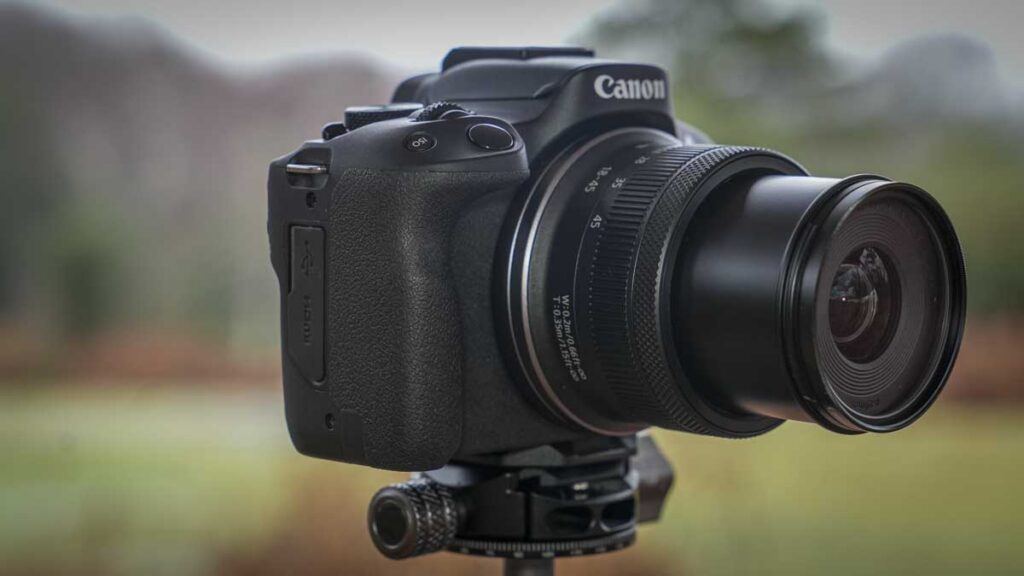
Simplicity is another key factor when buying an entry-level camera. You want a camera that keeps things relatively easy so anyone venturing into photography for the first time, or upgrading from a smartphone, can get good results without extensive technical knowledge.
It is important to feel reassured when you are just starting out, and inspired by what you can achieve. The best beginner cameras are those that offer some room to grow. If you are new to photography, you will want a camera that offers fully automatic shooting options and scene modes so you can easily tailor your settings to the scene in front of you, but you will also want the option to take manual control as your knowledge develops.
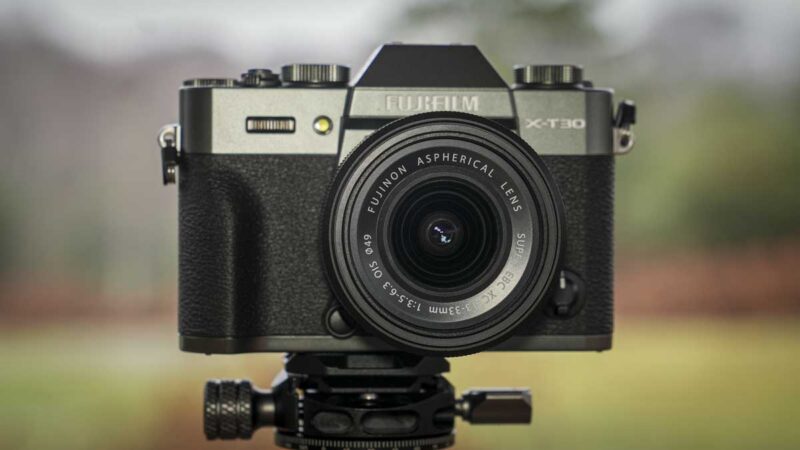
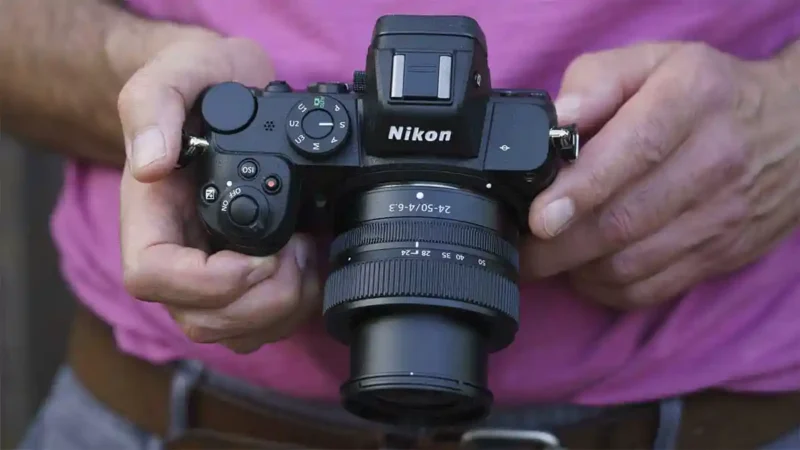
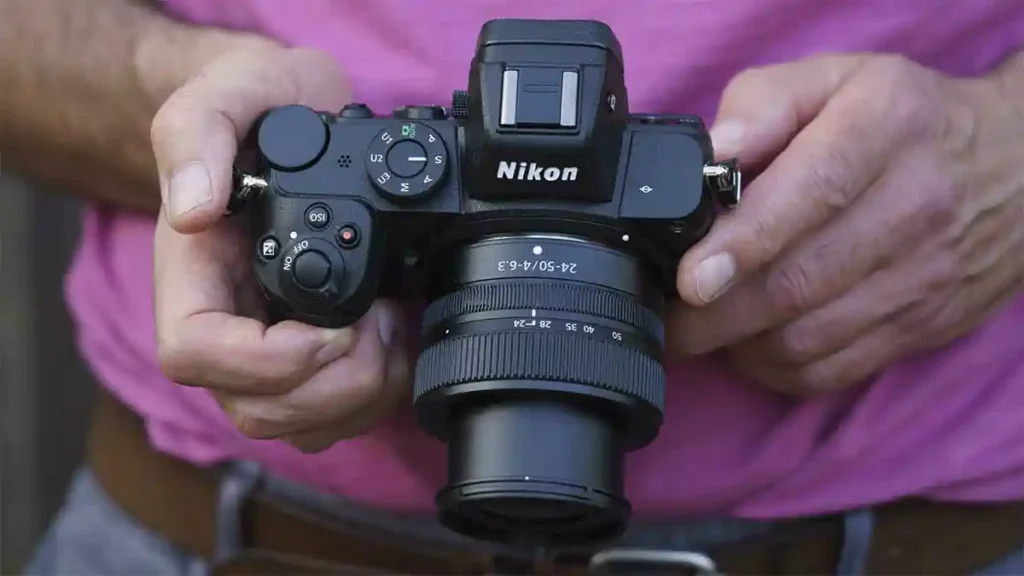
In 2026, the Canon EOS R50, Nikon Z50 II, Fujifilm X-T30 III, and Canon EOS R50 V are all excellent starting points. The Nikon Z50 II is particularly strong for educational use, the Fujifilm X-T30 III rewards a more deliberate approach with its analogue control layout, and the Canon EOS R50 V is the natural choice for content creators who want video capability alongside stills.
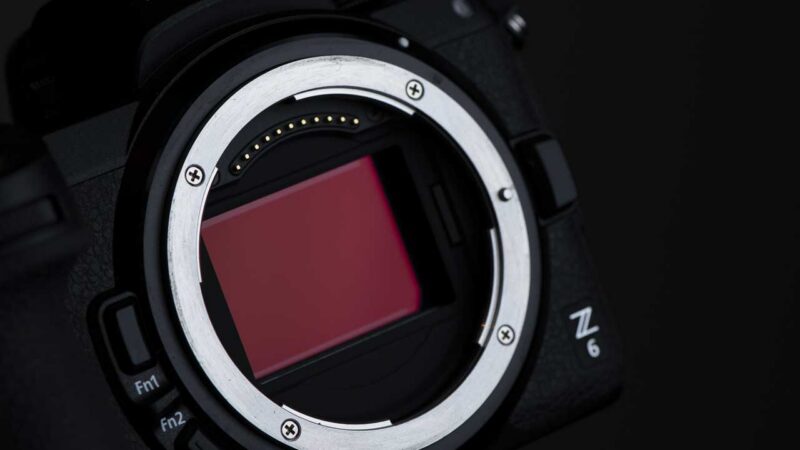
Finally, do you want a DSLR or a mirrorless camera? Although mirrorless technology is now firmly where the market has settled, the best DSLRs from the late 2010s remain capable second-hand purchases for budget-conscious beginners and offer particular strengths for sports and wildlife photography thanks to their phase-detection autofocus systems. The best beginner mirrorless cameras offer larger sensors, interchangeable lenses, and superb autofocus systems in much smaller, lighter bodies.
It is also worth stating something that is true in professional photography and beginner photography alike: if you can, it is always best to get hands-on with a camera before buying.
Choosing a lens
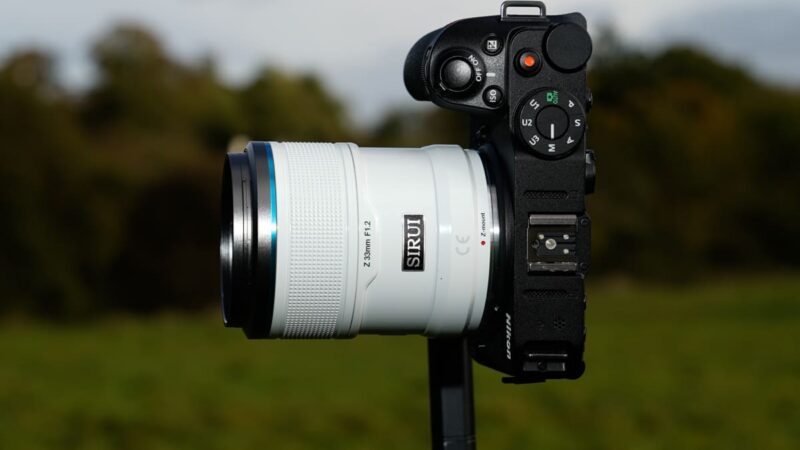
What lens should you buy? There are a number of factors to consider when you choose the best lens for your camera. Is it compatible with your camera’s mount? Is the focal length suitable for the type of images you want to make? You would not want a wide-angle lens if wildlife is your subject of choice, for instance.
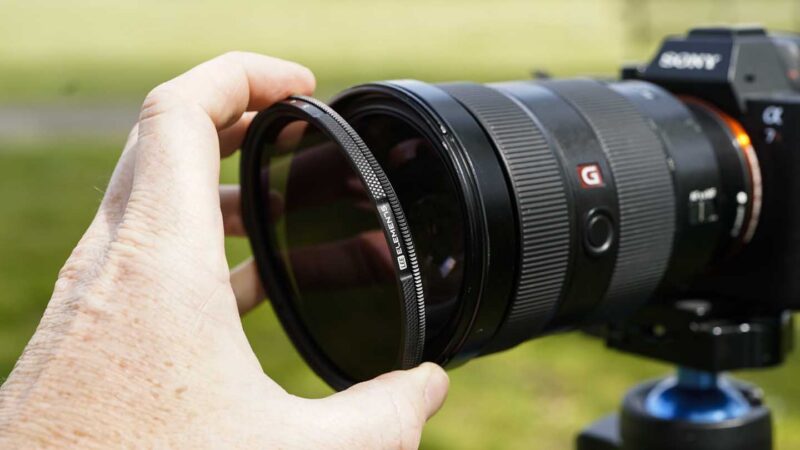
Buying a new lens is no small purchase, so do not make any ill-informed choices. When buying your first lenses, you will want to consider factors such as speed (maximum aperture), minimum focus distance, fixed or floating aperture, optical quality, filter ring size, stabilisation, and customisation options.
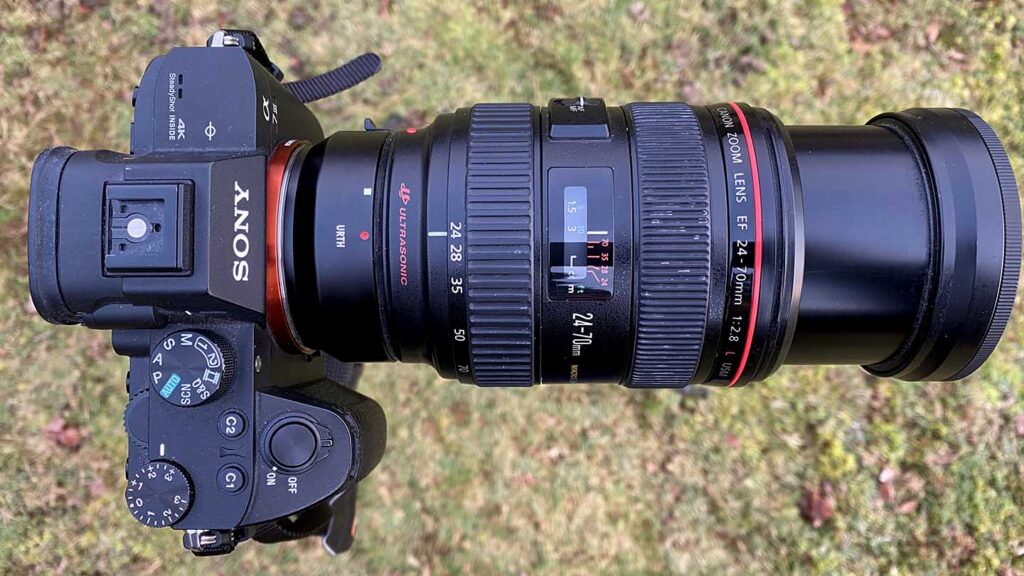
If you need to shoot subjects from afar, a telephoto lens is what you need. The 70-200mm zoom is a useful lens for any photographer to have in their bag, and it remains one of the most versatile focal length ranges available.
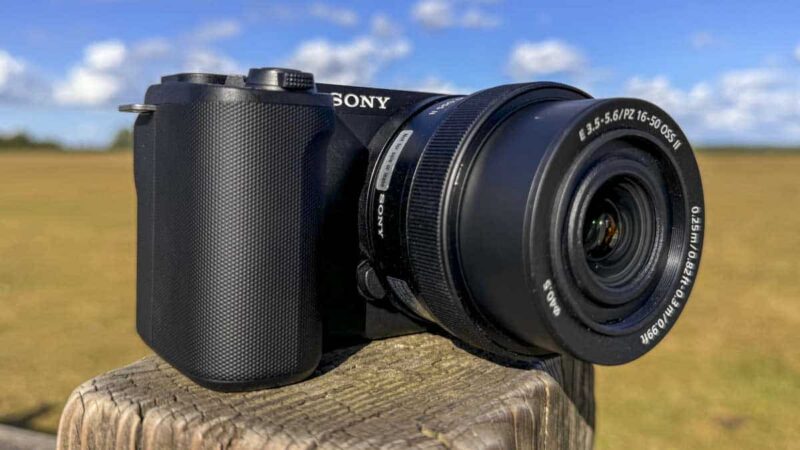
When starting out in photography, beginners often use an 18-55mm or similar standard zoom, which usually comes bundled in a kit with beginner cameras. A standard zoom is great when starting out as it covers a useful range of focal lengths, but eventually you will probably want to broaden your horizons and shoot at different focal lengths.
Depending on where you are in your journey, you might be shooting with a full-frame or APS-C-format camera body. This refers to your camera’s sensor size, and it adds another consideration to your lens purchasing because of crop factor. A 50mm lens behaves like a 75mm lens on a Nikon, Sony, or Fujifilm APS-C camera, and like an 80mm lens on a Canon APS-C camera.
Once you are ready to make your purchase, you will find no shortage of options on the market across all the main lens systems, including Canon RF and RF-S, Nikon Z, Sony E, Fujifilm X, Micro Four Thirds, and the L-mount Alliance covering Sigma, Panasonic, and Leica.
Understanding your camera and beginner photography techniques
One of the key lessons in photography for beginners is learning how to set up your camera. Understanding which image file formats and quality settings to choose, formatting your memory card, and setting copyright information are all among the first things you should do.
From there, the settings you choose largely depend on your subject matter and the lighting conditions. The guides below will help you decide which settings to use for exposure, focusing, white balance, and more.
Image quality settings and shooting modes
- Raw or JPEG: when to use each file format
- What is a raw file in photography?
- What is an anti-aliasing filter?
- What is white balance: how to achieve perfect tones
- How to set your white balance manually
- Drive modes explained: when and how to use them
- What is Aperture Priority mode, and how does it work?
- How to use Bulb mode for stunning long exposures
Exposure
- ISO in Photography: what it is and when to use your higher settings
- When to change your camera’s ISO setting
- Which ISO setting should you use at night?
- How to use exposure bracketing on your camera
- Are shutter speed and aperture the same: a simple guide for beginners
- What is a good exposure in photography?
- What is exposure compensation?
Focusing
- What is back button focusing (and when to use it)?
- Manual focus: 3 modern technologies that make sharp images easier
- How to switch your camera to manual focus
- 3 quick tricks for focusing manually with your camera
- 9 times when autofocus will fail you
- What is depth of field in photography?
- How to get shallow depth of field with any camera
Composition
Keep learning
Photography is a craft that rewards consistent practice as much as technical knowledge. The more you shoot, the more naturally these settings and techniques will come to you, and the easier it will be to focus on the creative side of making images rather than the mechanics of operating the camera.
If you are feeling motivated to learn faster, work through these guides in order, starting with file formats and exposure basics, then moving on to focusing and composition. Each builds on the previous one, and after a few weeks of deliberate practice, the technical fundamentals will become second nature.
Above all, remember that the camera is just a tool. Some of the most powerful photographs in history were taken with equipment far less capable than the most basic mirrorless camera available today. What matters is what you choose to point it at, and how you choose to frame what you see.
Photography for Beginners | By Jeff Meyer, updated by Camera Jabber Staff | April 2026