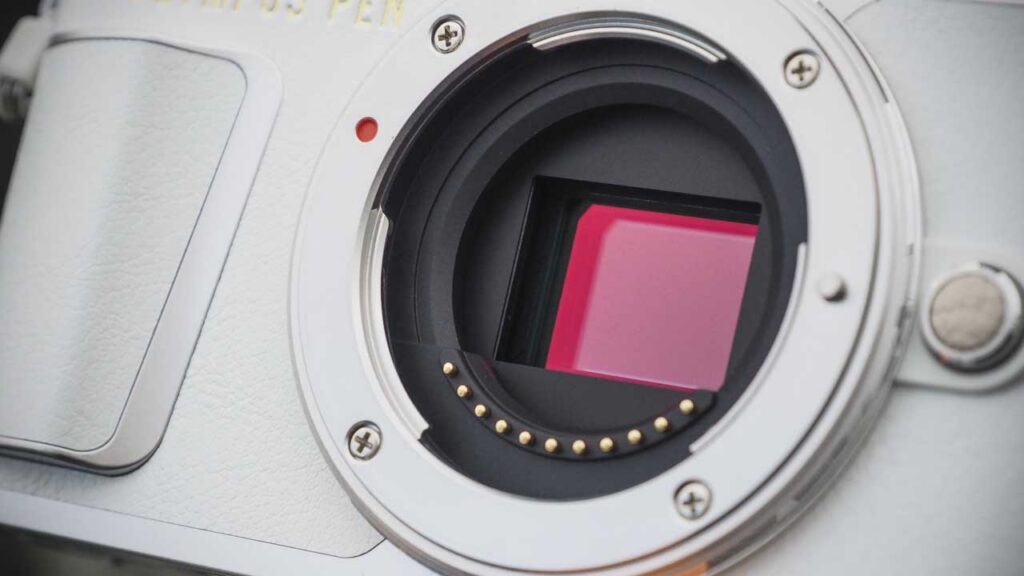

Micro Four Thirds was a new standard developed by Panasonic and Olympus that uses a 4/3-type image sensor that makes it possible to reduce the size and weight of a digital interchangeable lens camera. The dawn of Micro Four Thirds meant you no longer had to lug a bulky DSLR around if you didn’t need a camera with a full-frame sensor.
The best Micro Four Thirds cameras are those that pack innovative features into small, portable bodies and are predominantly made by Panasonic and Olympus. However, as an open system, a few other manufacturers have developed Micro Four Thirds bodies as well.
Which cameras are Micro Four Thirds?
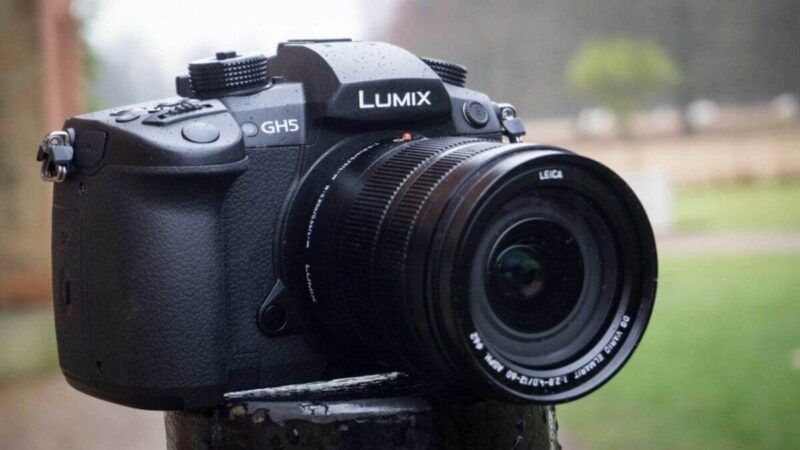
In addition to Panasonic’s Lumix G series and Olympus’s OM-D and PEN series cameras, Blackmagic’s popular Pocket Cinema Camera 4K, the Z Cam E1, DJI Zenmuse X5 and the YI M1 also use Micro Four Thirds mounts.
What’s more, Sigma, Tamron, Cosina, Carl Zeiss, Blackmagic and others have committed to developing the Micro Four Thirds system.
It’s also worth noting that Olympus sold its imaging business in the past year, but the new owners of the Olympus imaging brands have pledged to carry on developing the system.
Benefits of Micro Four Thirds cameras
- Sensor size
- Body size
- In-body image stabilisation
- Contrast detection AF
- Electronic viewfinder
Micro Four Thirds cameras offer a nice compromise between the image quality of an ILC and the portability of a compact camera. MFT cameras have larger sensors than compact and bridge cameras, yet smaller body size than a DSLR.
Their contrast-detection AF systems are generally found to be prone to fewer focusing errors than the phase-detection AF systems on traditional DSLRs. The smaller-than-full-frame sensors and smaller body sizes also generate less heat.
What’s more, the best Micro Four Thirds cameras boast electronic viewfinders with high resolution and a handy preview of what your image will look like before you press the shutter button.
Other benefits of Micro Four Thirds cameras are that, along with the smaller bodies, manufacturers can develop smaller, lighter and less expensive lenses.
And if you are a traditional compact camera user, you’ll find that the best Micro Four Thirds cameras give you much better low-light performance thanks to the bigger sensor and image stabilisation, better shallow depth of field effects and more optical choice.
For a deeper dive into the many different camera types and features available, check out our range of camera buying guides.