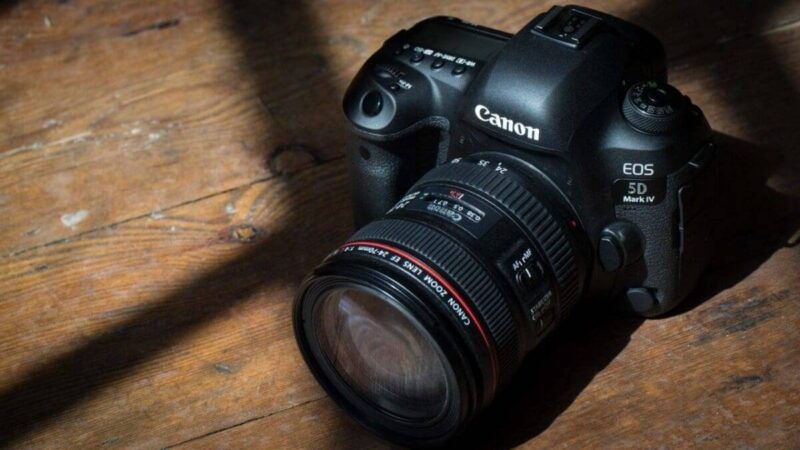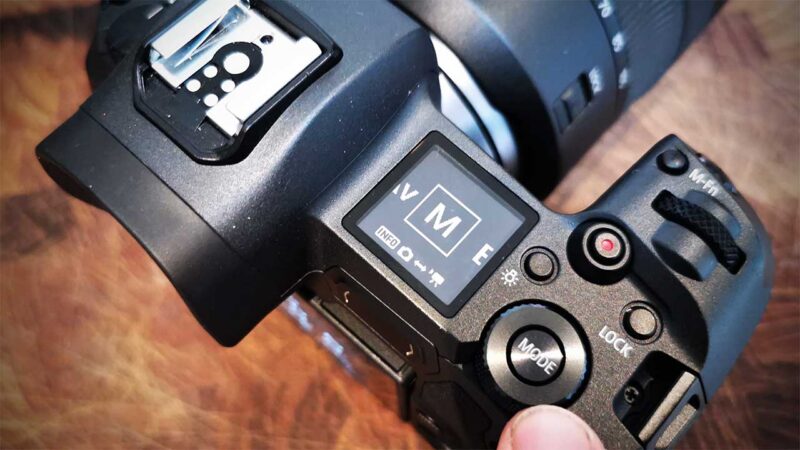

Choosing the best Canon RF lenses for your EOS R system camera is easier than it once was. Now four years into the development of Canon’s mirrorless EOS R system, there are now plenty of optics to choose from. The Canon RF range began as a handful of primes in 2018 and has grown into a diverse system of more than 26 optics that offers everything from wide-angle zooms to standard zooms to super telephoto lenses. There’s even now a dual fisheye lens for shooting 180 VR content!
Before we round up our picks for the best Canon RF lenses, though, let’s take a look at the Canon RF mount design and what makes it so innovative.
RF mount dimensions
The Canon RF is the same 54mm diameter as the old EF mount, which supports ultra-wide apertures. However, Canon has dramatically reduced the flange back distance from 44mm to 20mm. What this means is that the back of the lens now sits much closer to the image sensor on RF mount bodies. This design cuts down on bending light rays that previously would pass through the lens and create aberrations and other distortions.
What’s more, the reduced flange distance means Canon can design its RF lenses and R system camera bodies much smaller and, thus, lighter.
Can I use a Canon EF lens on an RF mount body?
You can use Canon EF lenses on an RF mount body only with an adapter. Though Canon EF and RF lenses have the same 54mm diameter, they cannot be used interchangeably. Both lens mounts have a three-tab bayonet design, but they bayonets are placed in different positions.
To use your EF lenses on an R system camera, you’ll need the Canon Mount Adapter EF-EOS R. This adapter also lets you many any EF-S lenses you may have. You can also use Canon’s Control Ring Mount Adapter EF-EOS R, which is effectively the same but adds a Lens Control Ring that you can customise to control different exposure settings.
12-pin connection
The other innovation of the RF mount design are its 12 points for data transfer around mount. Canon EF mount bodies had eight pins, so the RF mount offers a 50% increase. This means RF lenses and R system bodies can work in tandem to share higher volumes of data at faster rates.
What are the actual benefits of this faster data transfer? As a photographer you’ll realise these benefits in better AF performance, image stabilisation and better, faster overall performance.
In-lens Image Stabilisation
Some Canon RF lenses come equipped with in-lens Image Stabilisation. These lenses have a built-in dual gyro sensor that can detect motion blur from your movements. This dual gyro sensor system then sends a message to the camera’s processor, and the camera accounts for the movement. While many other lenses out there have similar in-lens stabilisation systems, what makes the RF lenses’ system unique are its dual sensors, which are designed to ascertain more nuanced movements.
The best Canon RF lenses you can buy today
As we mentioned above, there are now 26 Canon RF lenses you can choose from at the time of writing. We won’t list them all here. Instead, we’ve focused on the best Canon RF lenses to start your collection, choosing optics to cover all the most common focal lengths.