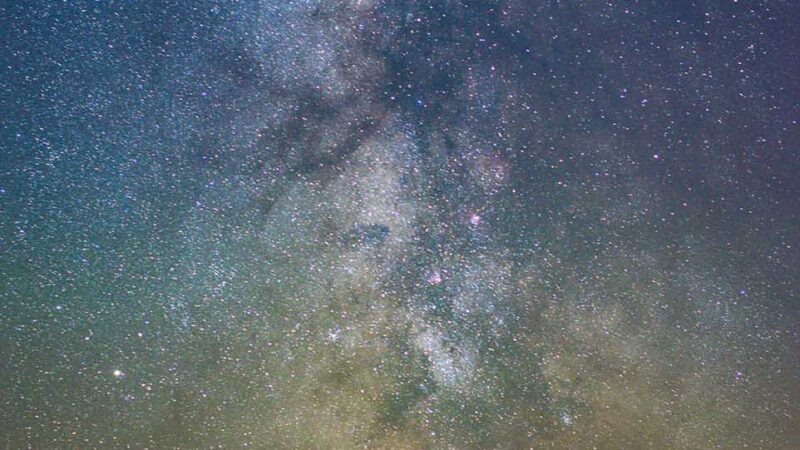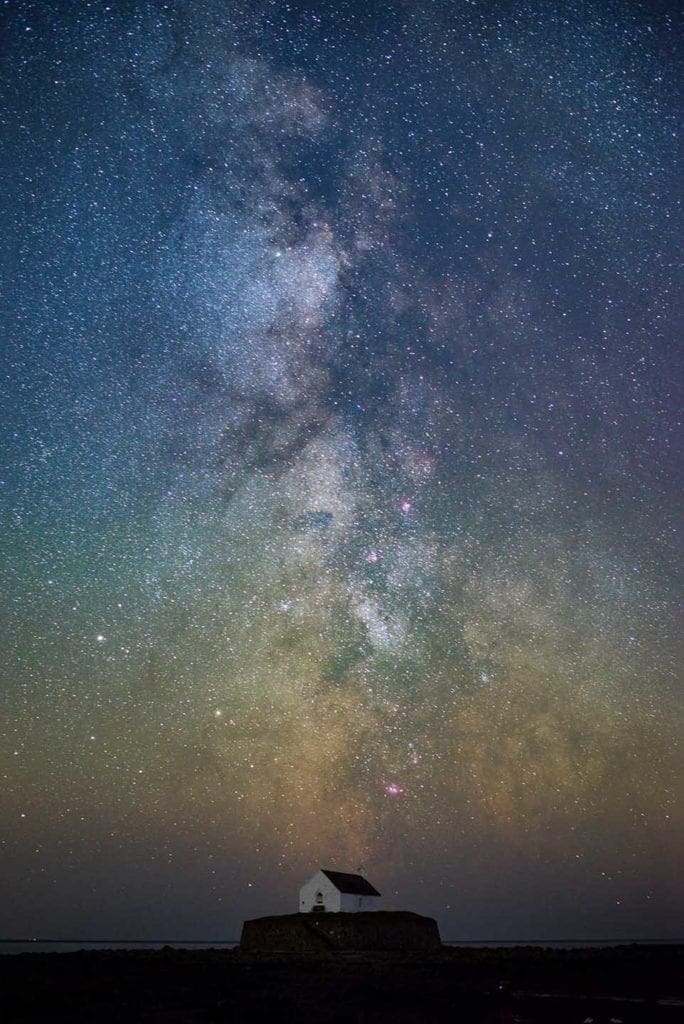

Astrophotography, an art and science that seeks to portray the ethereal beauty of the cosmos, presents unique challenges to photographers. Far removed from traditional photography, astrophotography demands us to capture light from celestial objects that are at staggering distances from us and are often very dim. To produce a captivating image of a starry sky, the spiral arms of a distant galaxy, or the mysterious bands of a nebula requires patience, technique, and the right equipment.
The challenges of astrophotography are numerous. To begin with, subjects are usually poorly lit, demanding cameras with the ability to capture light exceptionally well. In addition, the Earth’s rotation means that stars will appear to move across the sky during long exposures, which can result in streaky star trails. These and other considerations mean that the best cameras for astrophotography need to have a unique blend of capabilities.
Is a DSLR good for astrophotography?

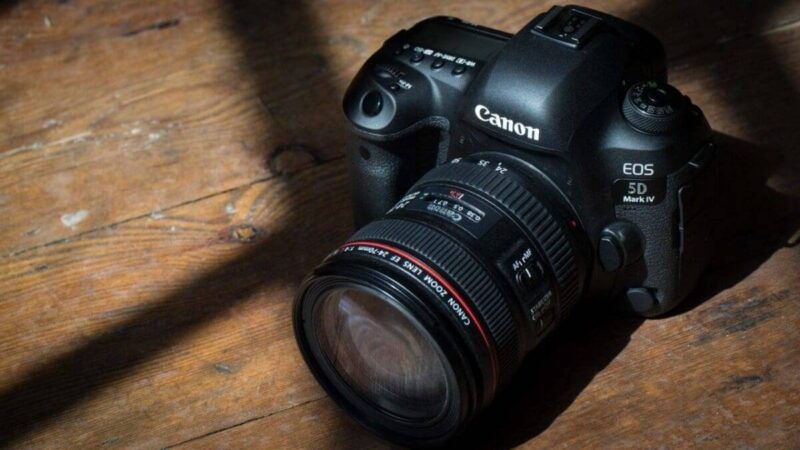
DSLR cameras have been the workhorses of professional photography for many years, and they can indeed be great for astrophotography. A DSLR with a full-frame sensor can collect a lot of light, crucial for capturing those distant celestial bodies. Also, DSLRs typically have good noise reduction capabilities and excellent dynamic range, both of which are vital in capturing the subtle play of light and shadow in the night sky.
Can you do astrophotography with any camera?
Technically, you can attempt astrophotography with any camera, but the results may not meet expectations. The small sensors in point-and-shoot cameras or smartphones limit their light-gathering capabilities, which can result in grainy, underexposed images. Even among DSLRs and mirrorless cameras, not all are created equal. As we’ve mentioned, the ideal camera for astrophotography should have a large sensor, high ISO capabilities, excellent noise reduction, and a strong dynamic range.
Astrophotography presents unique challenges to photographers, far removed from traditional genres. Capturing celestial objects—often dim and millions of light-years away—requires patience, technique, and the right equipment. From starry skies to nebulae, creating awe-inspiring astrophotography images demands cameras that excel at light gathering, high ISO performance, and noise reduction.
The challenges include low light levels and the Earth’s rotation, which causes stars to trail during long exposures. This makes choosing the right camera and accessories essential for success.
Is a DSLR Good for Astrophotography?
Yes, DSLRs are a great choice for beginners and even advanced astrophotographers. Full-frame DSLRs are particularly effective as they collect more light, crucial for capturing celestial objects. They also offer excellent noise reduction and dynamic range, key for revealing details in dark skies. DSLRs are versatile and accessible, making them a popular starting point for astrophotography.
Can You Do Astrophotography With Any Camera?
While technically possible, results depend on the camera’s capabilities. Small sensors in point-and-shoot cameras or smartphones limit light-gathering ability, often producing grainy images. However, newer flagship smartphones with dedicated astrophotography modes are improving accessibility. To achieve the best results, cameras with large sensors, high ISO performance, and excellent noise reduction are essential.
For the best experience, also invest in a fast wide-angle lens, a sturdy tripod, and consider tools like star trackers for longer exposures. Post-processing software is equally critical for refining your astrophotography images.
In the following sections, we will explore six cameras that check all these boxes and are well-suited to meet the demands of astrophotography.