
4K is the new standard, and the best 4K cameras for shooting video will be able to record at this resolution quality in a variety of frame rates. In particular, cameras that record 4K at 60p and 4K at 120p are highly sought after. Ever since the Nikon D90 introduced video to interchangeable lens cameras back in 2008, the video mode has become an increasingly important feature for photographers. And these days, every new flagship camera on down to most phones and compact cameras will boast of its 4K video chops.
With clients asking for more video, a camera’s video capabilities can no longer be ignored. Once derided, the video mode has quickly become one of the primary specs by which photographers judge a camera. Over the last couple years the once-revolutionary HD video standard has been swept aside by the rise of cameras capable of producing footage in 4K resolution.
Here we’ve rounded up what we believe are the best 4K cameras on the market for shooting high resolution video. A quick note before we get started: we’ve ignored professional, dedicated video cameras like the Canon Cinema EOS or Sony FS series in this list of the best 4K cameras. We’re focusing solely on the best 4K cameras for those photographers crossing over into video or who may find themselves being asked to shoot more video footage for clients.
But first, let’s delve a little deeper into what 4K resolution means.
What is 4K resolution?
One frame of 4K video is comprised of 3,840 x 2,160 pixels. What 4K means is a new resolution standard that offers four times the resolution quality as Full HD.
There are actually several different 4K resolutions that are recognised, but the two most widely used formats are Ultra HD (3,840 x 2,160 pixels) and Cinema 4K (4,096 x 2,160, also known as DCI 4K).
Ultra HD is probably the more commonly found format because it uses the same 16:9 aspect ratio of most televisions these days.
What is 4K UHD vs Cinema 4K video?
This is a common question not just for new videographers, but anyone new to 4K video recording. What most people call ‘4K video’ is really 4K UHD, which is 3840 x 2160 pixels in resolution and records in a 16:9 aspect ratio. This is what you find on most 4K cameras.
Cinema 4K offers a 4096 x 2160 resolution in a 17:9 aspect ratio. It’s a slight difference, but an important one.
What 4K means for photographers
Because 4K video is so high resolution, one frame can produce an 8.3-megapixel image. As a point of comparison, the previous video standard, Full HD, can generate a 2-megapixel image from one frame of footage. So it’s quite a leap up in quality.
This means that photographers can now extract high-quality still images from video footage. It means that finding that decisive moment, as Cartier-Bresson termed it, can be much easier to do.
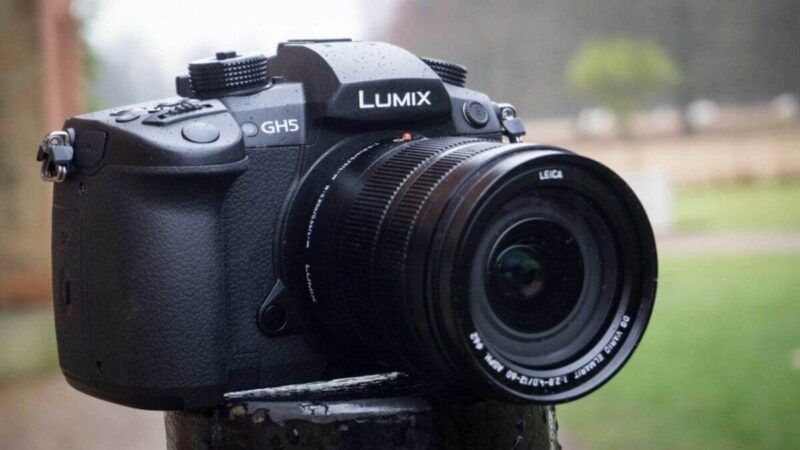
In fact, some camera manufacturers are already offering direct controls to do this. With its LX100 Panasonic introduced its 4K Photo mode, and soon rolled it out onto other Lumix models. In this mode you simply press the shutter button, and the camera records a short burst of video. Then in playback mode you can select the best still image.
Taking it further, Panasonic also introduced a Post Focus feature that, again, records a short burst of 4K video, adjusting its focus across all the points of contrast in a scene. You can then, in playback mode, select your preferred point of focus – or all of them for wider depth of field.
There are myriad possibilities with this technology, and it’s only going to get better. You can, of course, also extract stills from your 4K video footage using Photoshop or simply by taking a screen grab when playing it back.
Why shoot 4K video
You may not have a 4K TV and you may be wondering if shooting in 4K is really relevant for you: it is. Most of us don’t have 4K-ready TVs, but footage shot in 4K can be what’s called ‘downsampled’, or reduced in resolution to display on a Full HD screen.
When reducing the resolution of recorded 4K footage you end up boosting some of the finer details within that video, making them crisper and more vibrant.
Also, because 4K footage offers four times the area than video shot at 1080p you have more leeway to crop into a scene yet still retain enough resolution for a sharp Full HD image.
This cropping capability also opens up the possibility of post-capture effects, such as zooming and panning. What’s more, being able to crop right in like this allows you to apply digital stabilisation to an image to minimise camera shake.
Disadvantages of 4K video
The chief drawback of shooting 4K video is its size. 4K video footage will fill up your memory cards very quickly. In practical terms, about 5min of 4K footage can take up to 4GB of space. This means you’ll need bigger – and more – memory cards. And you won’t want to buy the cheapest, either.
You’ll probably want to fork out for a Class 10, U3-certified SD card, which will be able to maintain a minimum write speed of 30MB/s. You’re storage requirements will also shoot up.
The other drawback of shooting 4K video – and this is probably the biggest consideration – is that it will expose any flaw in your lighting or composition.
This is because old video at lower resolutions would smooth over a scene and hide any dodgy lighting and imperfections. When shooting at 4K resolution you’re capturing a much wider dynamic range, and thus more detail.
Any lighting errors, blemishes and other imperfections that may have been hidden at lower resolutions will be much more visible in 4K resolution. So when shooting 4K video – or even still images – you need to think carefully about your background, your composition and how you build up your scenes.
What are the best 4K cameras?
All of the options on our list of the best 4K cameras for shooting video were chosen based on our experience shooting with them. You might also find our guides on the best cameras for YouTube, the best cameras for vlogging and the best cameras for video recording useful. For a deeper dive into the many different camera types and features available, check out our range of camera buying guides.