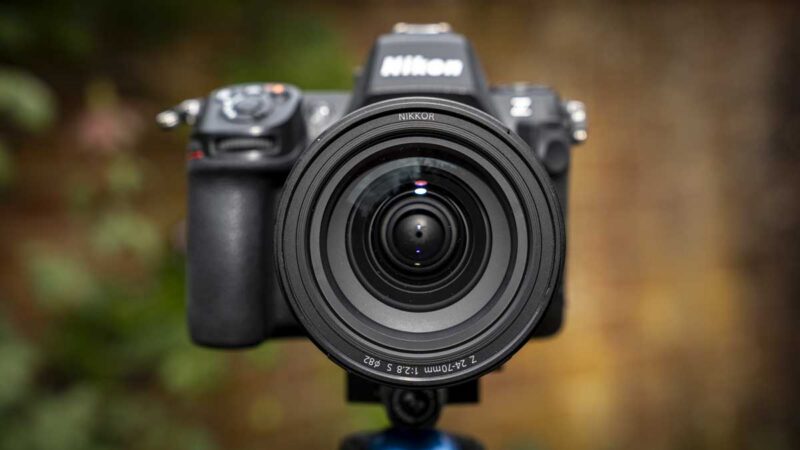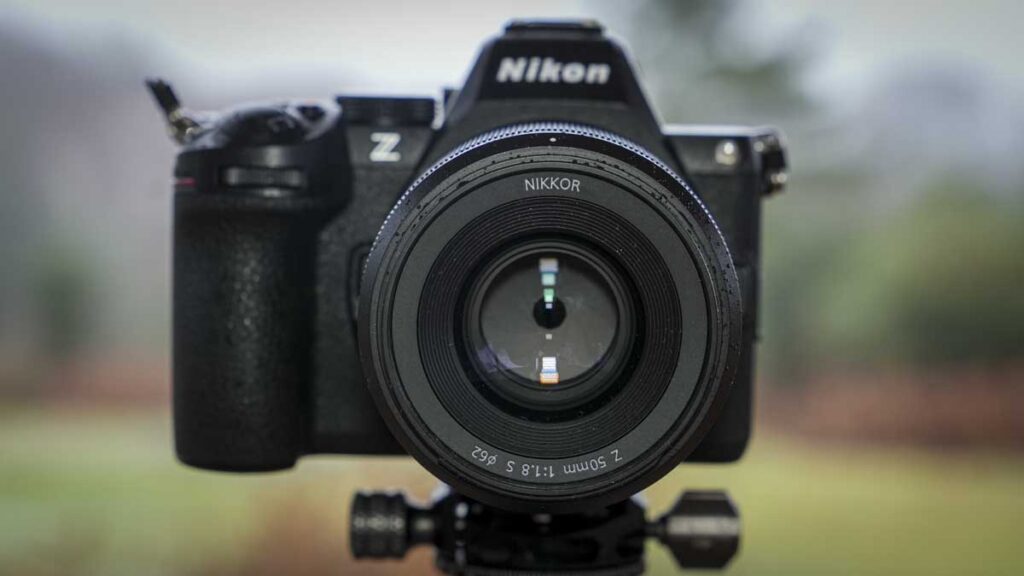

The Nikon Z5 II delivers outstanding low-light autofocus, a 14 fps burst rate, and full N-Log video support in a robust, well-balanced full-frame body.
Our Verdict
Nikon Z5 II verdict
What is the Nikon Z5 II?
The Nikon Z5 II is a full-frame mirrorless camera aimed at the enthusiast market, positioned as a capable and durable all-rounder within Nikon’s Z system lineup. Nikon is one of photography’s longest-established names, with a reputation built on durability, reliability, and image quality that has made the brand a staple choice for professionals, educational institutions, and serious enthusiasts. The Z5 II represents the company’s evolution of these values into the mirrorless era, combining a proven full-frame sensor with advanced autofocus, a robust weather-sealed body, and a comprehensive feature set.
It targets enthusiasts seeking pro-level experience without top-tier prices. Its low-light autofocus and burst shooting are especially suited to wildlife, sports, and action photography. As a second body for Nikon users, it offers familiar ergonomics and lens compatibility. The key advantage is the combination of low-light AF, build quality, and value, with access to Z lenses and decades of FX glass via adapter.
Specification
Sensor: 24.5MP full-frame CMOS
ISO range: 100–51,200 (expandable to 50–204,800)
Burst rate: Up to 14fps
Autofocus: Hybrid AF with subject detection
Video: 4K up to 30p | N-Log support
Card slots: Dual SD UHS-II
Weather sealing: Yes
EVF: High-resolution electronic viewfinder
Weight: Approx. 700g (with battery and card)
Battery: Approx. 390 shots per charge
Mount: Nikon Z
Price: Approx. £1,899 (body only)
Build and Handling
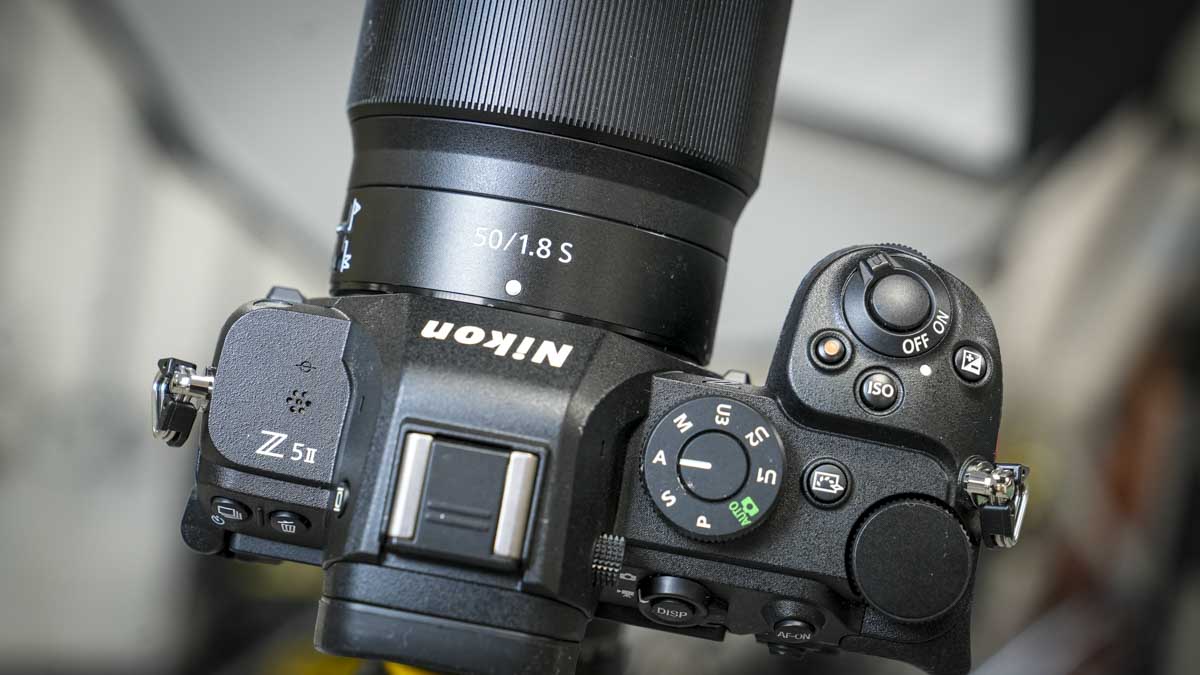
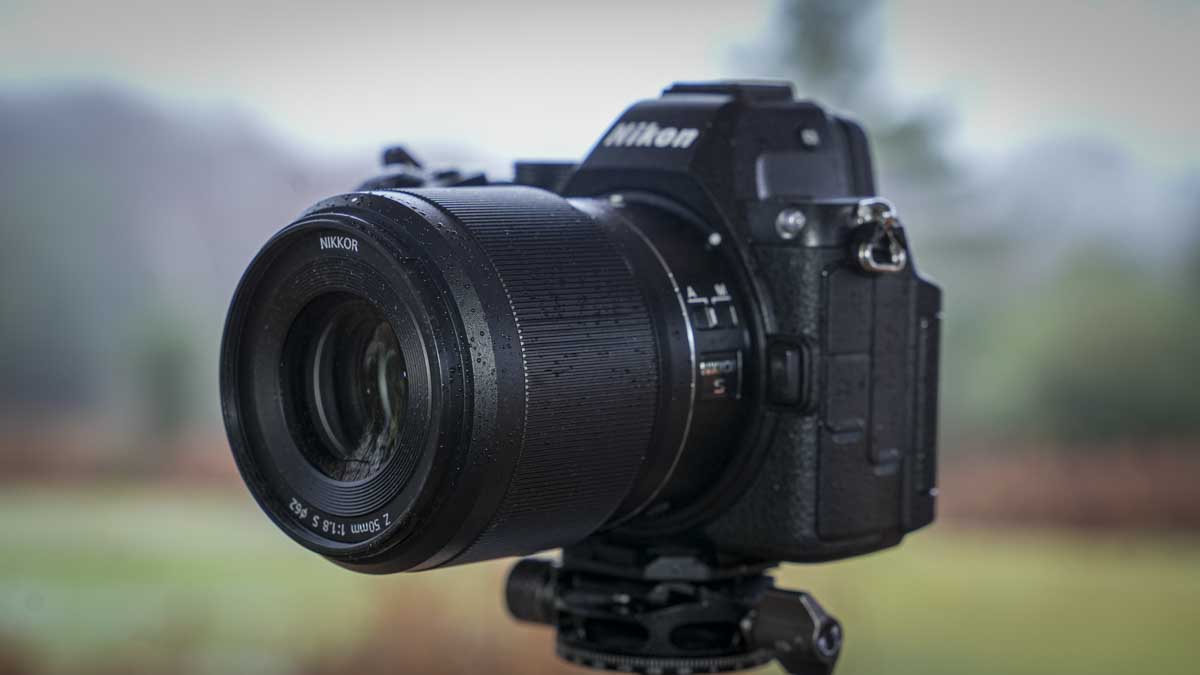
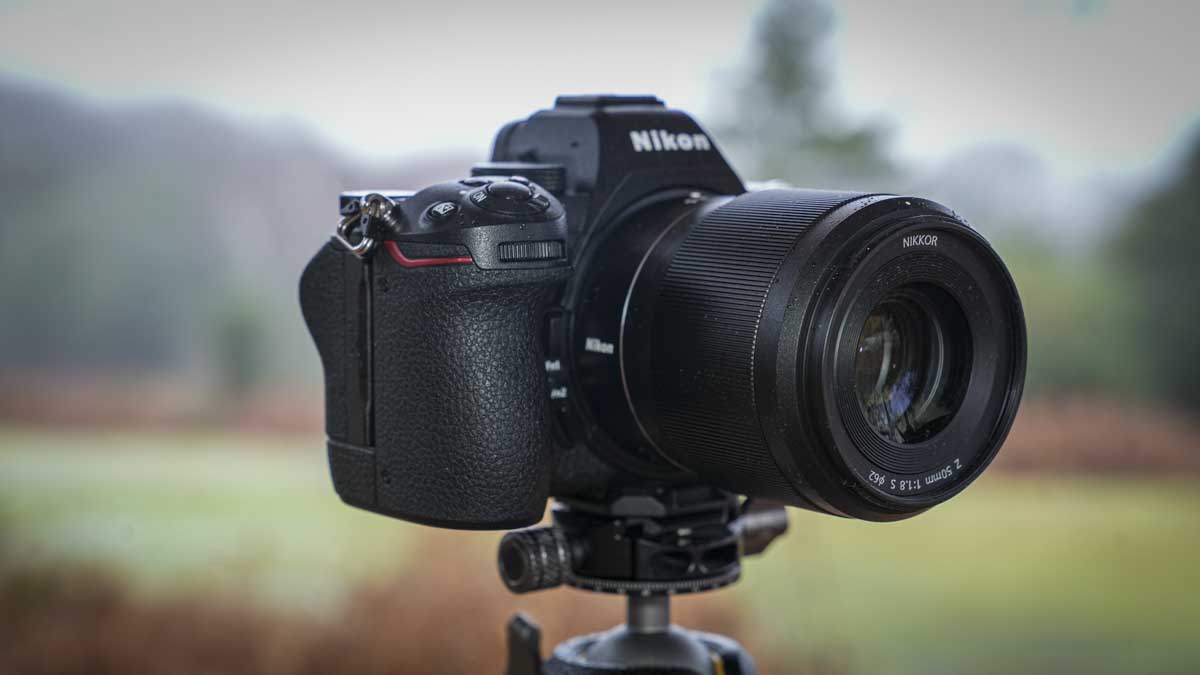
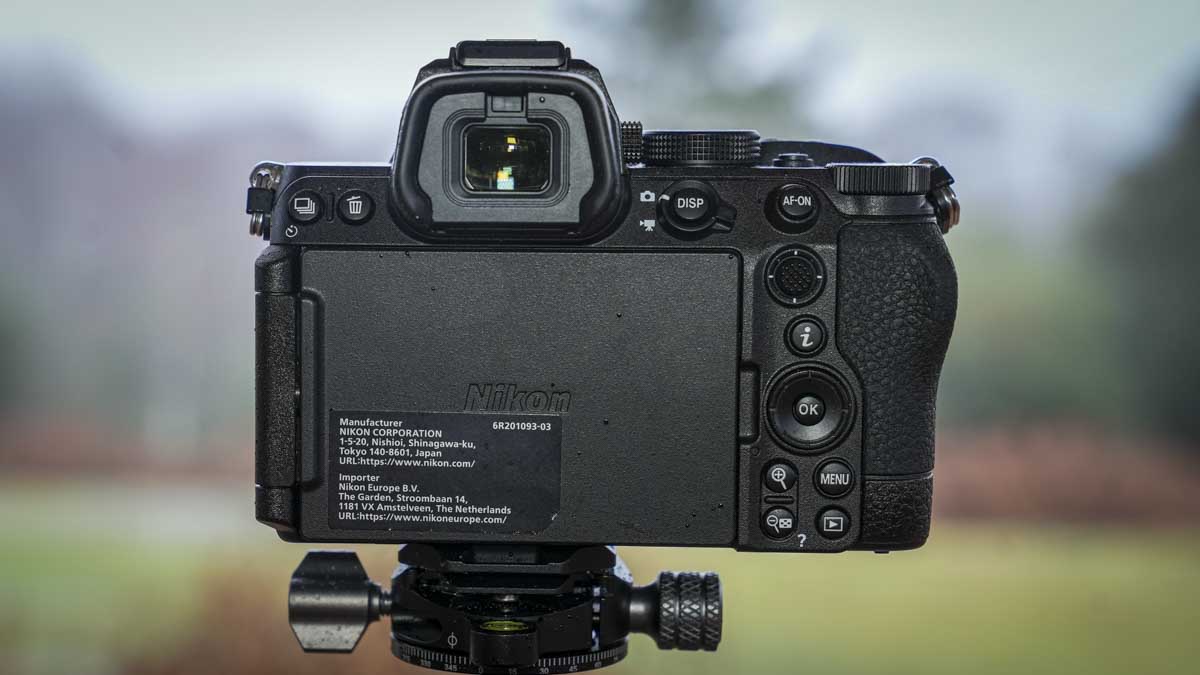
The Z5 II has the feel of a professional tool from the moment you pick it up. The body is larger than some of its full-frame competitors, but the ergonomics are excellent, with a deep and comfortable grip that balances well even with larger Z-mount lenses attached. Weather sealing throughout gives confidence in demanding outdoor environments, and the construction quality feels entirely in keeping with Nikon’s reputation for durability. This is a camera built to work hard.
The electronic viewfinder is one of the clearest and brightest in this class of camera. While no EVF has yet fully replicated the immediacy of an optical viewfinder, this one comes closer than most, and through extended use in woodland and low-light conditions, it proved reliable for accurate manual focus assist and tracking confirmation. The custom menu system quickly surfaces frequently used functions, and setting up image formats, video resolutions, and focus assist options took only a few minutes at the start of the test before the camera was configured for the work ahead.
The dual SD UHS-II card slots are a practical inclusion that matters for working photographers, enabling simultaneous backup recording or overflow to a second card during extended burst sequences. The interface is familiar to anyone with Nikon experience and is easy to navigate for those coming from other systems. The overall impression is of a camera designed for professional-level usability at an enthusiast price point.
Features
The autofocus system is the Z5 II’s defining feature, and it was the standout performer in this test’s low-light conditions. The hybrid AF system combines phase and contrast detection with subject detection covering people, animals, and vehicles. In woodland shooting with fast-moving subjects, the tracking points stayed locked on target through movement, partial foliage obstruction, and the challenging light of a forest canopy, with reliability that exceeded that of all other cameras tested. For wildlife photographers, this level of low-light tracking performance is a significant practical advantage.
The 14 fps burst rate maintains continuous shooting across demanding sequences, though the buffer limits sustained shooting during extended runs, requiring a brief pause before resuming. Dual SD UHS-II slots help manage the card writing speed, and in practice, the buffer limitation was rarely a constraint for typical wildlife and action sequences. Subject detection AF operates continuously through burst shooting, maintaining tracking accuracy frame to frame.
Video capability includes 4K at up to 30p with full N-Log support for flat colour profile recording, ready for grading in post. The N-Log implementation is a genuine professional tool, producing footage with a dynamic range that gives editors meaningful control over the final image. Nikon’s partnership with RED, while not introducing RED components into the Z5 II itself, reflects the company’s serious approach to video as a discipline rather than an afterthought. The Z lens system is extensive and growing, and FX legacy glass remains fully compatible via adapter, giving access to decades of Nikon optics at a range of price points.
Performance
Testing the Z5 II in the New Forest across a range of conditions, the low-light autofocus performance was immediately the most impressive aspect of the camera. In woodland shade where competing cameras showed hesitation or hunting, the Z5 II’s tracking AF locked on to moving subjects and held through speed changes and partial obstruction with a consistency that felt genuinely different from the rest of the test. Setting Auto ISO to 3200 for wildlife work, the images were clean and detailed, and the AF maintained accuracy at those higher ISO values without the degradation sometimes seen in lower-light conditions.
Image quality at 24.5MP is well resolved and clean. The lower pixel count compared with some rivals is not a disadvantage in practice, producing images with less noise at higher ISOs and a natural, pleasing rendering of fine detail. Printed to A3, the output is excellent, and for online and social media use, the resolution is more than sufficient for any application. Colour rendering has the characteristic Nikon quality, with neutral, accurate tones that respond well to post-processing without requiring significant correction.
Low-light performance was generally a strength of the Z5 II beyond just its autofocus. The sensor handled high ISO values well, maintaining usable detail and tonal integrity at settings where some of the smaller sensors in the test showed significant degradation. At ISO 800 to 3200, the images were clean and well balanced, and even into the higher extended range, the results remained workable for situations where no alternative is available.
The 14fps burst rate performed well across the test, with the tracking AF maintaining subject acquisition frame to frame through fast-moving sequences. The dual card slots provided practical reassurance for working in remote locations where a card failure could mean losing irreplaceable images, and the weather sealing handled the wet, variable conditions of the test period without issue. Video at 4K with N-Log produced footage with the dynamic range and flat colour profile that makes grading in post both practical and rewarding.
Final Thoughts
The Nikon Z5 II is the camera I would recommend without hesitation to a wildlife or action photographer looking for a full-frame enthusiast body at this price. The low-light autofocus performance is the best in this test, the burst rate and card slot configuration are well matched to the demands of fast-action work, and the build quality gives confidence in any shooting environment.
Battery life is slightly lower than some rivals, so plan for longer sessions. While the Z lens system is growing, it lacks the breadth of the Canon RF range at every price point. Still, for around £1,899, the Z5 II offers outstanding value and is among the test’s strongest all-round performers, thanks to its image quality, autofocus, and robust build.