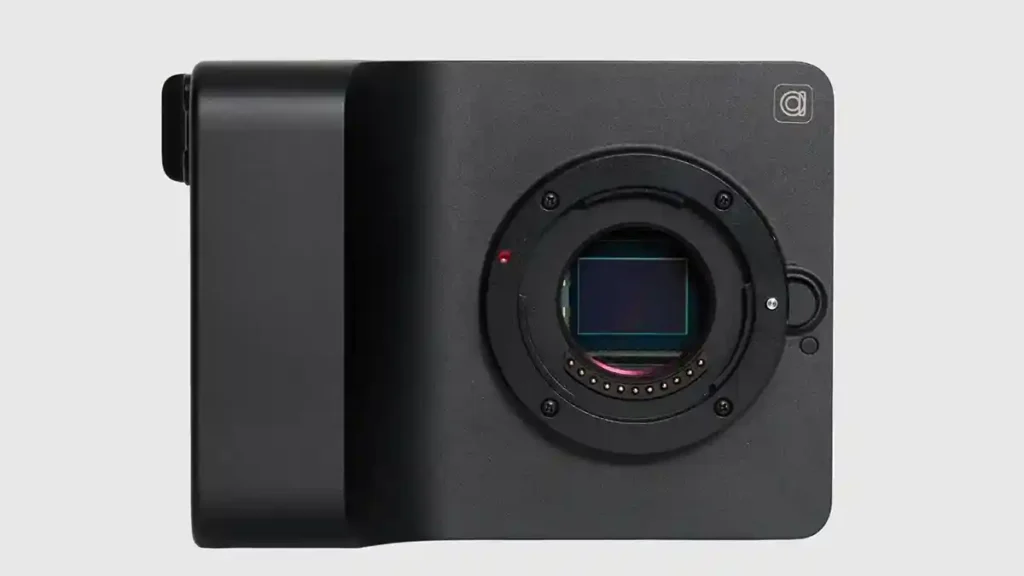

Camera Intelligence has announced Generative Video Editing for Caira, making it — the company says — the first mirrorless camera system with generative video editing built in. It runs on Google’s Gemini Omni 1.1 Flash and Runway’s Aleph 2.0, and it arrives with a set of constraints that are arguably more interesting than the features themselves. Details are on the Camera Intelligence site, with a launch video on YouTube.
What Caira is, first
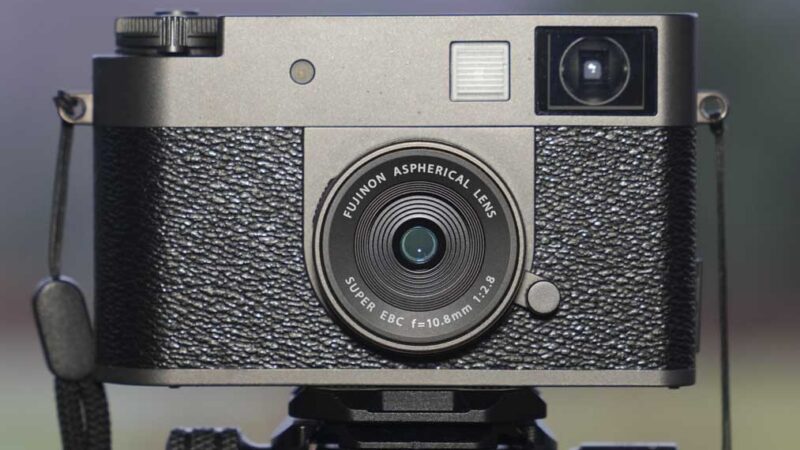
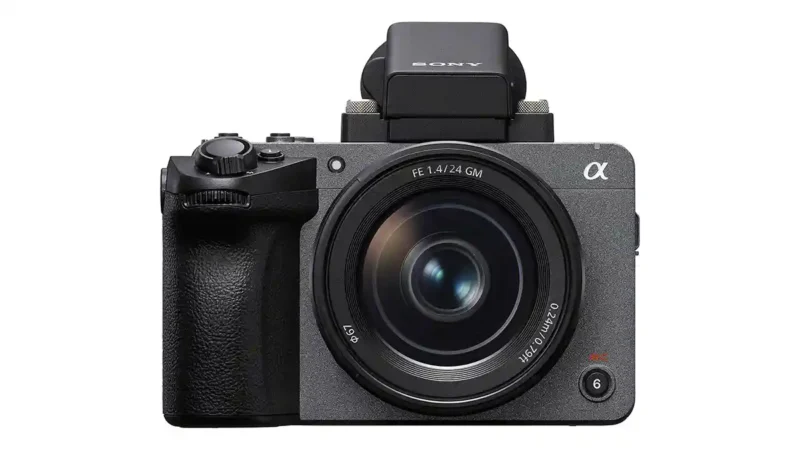
If the name is unfamiliar, Caira is an AI-native Micro Four Thirds mirrorless camera that connects to an iPhone via MagSafe, aimed at creators and marketing professionals who want mirrorless image quality without a mirrorless workflow. It launched on Kickstarter last year with generative photo editing using Nano Banana, and units have since shipped to backers.
This announcement extends that thinking to video. Camera Intelligence says it surveyed 111 backers after shipping, and 77% said generative video editing would be useful — which is at least a more honest basis for a feature than a hunch.
The four features
Relight changes the lighting of a captured scene, frame to frame. Reframe recomposes a shot after the fact. Camera Motion simulates drone-style sweeps and other camera paths from footage you have already shot. Set Extension extends the world by up to ten seconds beyond what was filmed on location.
All four run through curated templates refined with the company’s community, driven by plain-English conversational editing rather than a panel of sliders.
Of the four, Camera Motion is the one we find most defensible, and the company frames it well: previsualising a move before committing to specialist equipment. Working out whether a drone sweep actually serves a shot before you hire the drone and the operator is a genuinely useful thing, and it happens at the planning stage rather than in the delivered footage.
The constraints matter more than the features
Here is what makes this worth taking seriously rather than dismissing.
There is no text-to-video. Every feature works only from footage you have actually captured with the camera. A scene cannot be generated from nothing. That single design decision separates this from the generative tools photographers have been most anxious about, and it puts the camera back at the centre of the process.
The underlying models are described as physics-aware, building a persistent internal understanding of a scene so they can remember and edit it consistently across a whole clip rather than frame by frame — which is the technical reason relighting a moving shot is possible at all.
Generated clips are saved as separate, clearly named files, watermarked with Google’s SynthID. Originals are never touched. And Camera Intelligence states plainly that nothing customers capture or send to Omni is used for training.
That last point deserves acknowledgement. Recent survey work suggests photographers are drawing their own line on AI — with a substantial majority saying they would refuse an edit that looked inauthentic — and provenance is exactly where that argument is being had. A company shipping generative tools with watermarking, untouched originals and a no-training commitment has read the room better than most.
Our take
Whether you want any of this is a separate question from whether it is well made, and the honest answer is that it depends entirely on what you shoot. For commercial and marketing work where the brief is a look rather than a record, relighting and set extension will save real time. For anything documentary, editorial or journalistic, they are tools you would want to leave firmly alone — and the SynthID watermarking at least means the distinction is traceable.
It is also worth keeping the scale in proportion. Camera Intelligence is a startup, Caira is a Kickstarter-funded product with an unusual premise, and this is a private beta rather than a shipping feature. The claim to a first is defensible on the specifics, but the significance depends on whether the wider industry follows.
What we would want to test is the quality question that all of this rests on: whether relit footage genuinely holds up frame to frame under scrutiny, or whether it falls apart the moment something moves through a shadow.
Caira Generative Video Editing: the features
Relight: change the lighting of a captured scene realistically, frame to frame. Reframe: recompose a shot after capture. Camera Motion: simulate drone-style sweeps and other camera paths from captured footage, intended for previsualising a move before hiring specialist equipment. Set Extension: extend the scene by up to 10 seconds beyond what was filmed on location. Models: Google Gemini Omni 1.1 Flash and Runway Aleph 2.0, described as physics-aware with persistent scene understanding across a clip. Interface: curated templates with plain-English conversational editing. Constraints: no text-to-video — all features work only from footage captured on the camera. Provenance: generated clips saved as separate, clearly named files and watermarked with Google SynthID; originals unaltered; customer footage not used for model training.
Availability
Generative Video Editing forms part of Caira Studio, launching this autumn in the US and UK. A private beta opens today for existing customers, alongside five filmmakers selected through an application process. Pricing for Caira Studio has not been announced.